
Health
Understanding Arthritis: Impacts, Causes, and Solutions

Published
9 months agoon
By
Rock Seo
Arthritis is a broad term used to describe a group of over 100 diseases that primarily affect the joints, causing inflammation, pain, and stiffness. It is one of the most common chronic conditions globally, affecting millions of people regardless of age, gender, or ethnicity. While arthritis can significantly impact an individual’s quality of life, understanding its causes, symptoms, and available solutions is key to managing and even alleviating its effects. In this article, we’ll explore the different types of arthriti, their underlying causes, the physical and emotional impacts, and the various treatment options that can help manage the condition.
What is Arthritis?
Arthritis refers to inflammation in one or more of your joints, which are the areas where two or more bones meet. The inflammation can lead to symptoms such as pain, swelling, stiffness, and decreased range of motion. Over time, the condition can damage the cartilage that cushions the joints, leading to further complications.
There are several different types of arthritis, but the two most common are osteoarthritis (OA) and rheumatoid arthritis (RA).
Osteoarthritis (OA):
OA is the most prevalent form of arthritis, affecting millions of people, particularly those over 50. It occurs when the protective cartilage that cushions the ends of the bones gradually wears down over time. OA typically affects weight-bearing joints, such as the knees, hips, and spine, though it can also impact the hands and other joints.
Rheumatoid Arthritis (RA):
RA is an autoimmune disorder where the body’s immune system mistakenly attacks the lining of the joints, causing inflammation. Unlike OA, which primarily affects older individuals, RA can affect people of any age and is more common in women. The inflammation in RA often affects joints symmetrically (both sides of the body) and can cause joint deformities over time if left untreated.
Other Types of Arthritis:
- Psoriatic Arthritis: Associated with the skin condition psoriasis, this type of arthritis leads to joint pain, swelling, and skin rashes.
- Gout: A form of inflammatory arthriti caused by excess uric acid in the bloodstream, leading to sudden and intense joint pain, usually in the big toe.
- Ankylosing Spondylitis: A type of arthritis that primarily affects the spine and can lead to severe stiffness and pain in the back.
Causes of Arthritis
The exact cause of arthritis can vary depending on the type, but several common factors contribute to the development and progression of the condition:
1. Age:
As people age, the wear and tear on the joints can lead to conditions like osteoarthritis. The body’s ability to repair damaged cartilage decreases with age, leading to the breakdown of joint structures.
2. Genetics:
Family history plays a significant role in several types of arthriti, particularly rheumatoid arthritis and ankylosing spondylitis. Genetic mutations can affect how the body reacts to inflammation and influence the development of autoimmune disorders.
3. Injury:
Previous joint injuries, such as fractures or ligament tears, can increase the risk of developing arthritis in the affected joint. Traumatic injuries can cause lasting damage to cartilage and other structures that are essential for joint function.
4. Gender:
Certain types of arthritis, such as rheumatoid arthritis and lupus, are more common in women than in men. In contrast, gout is more prevalent in men, particularly older men.
5. Lifestyle Factors:
Obesity is a significant risk factor for developing arthritis, particularly osteoarthriti. Extra weight puts additional pressure on joints, particularly the knees, hips, and spine. Inflammatory conditions like gout are also exacerbated by poor dietary choices, particularly the consumption of foods rich in purines.
6. Immune System Malfunction:
In autoimmune forms of arthritis, such as rheumatoid arthriti and lupus, the immune system attacks healthy joint tissues, leading to chronic inflammation and damage.
Impacts of Arthritis
Arthritis can have profound physical, emotional, and social impacts, affecting nearly every aspect of an individual’s life.
Physical Impacts:
The most immediate and noticeable impact of arthriti is joint pain, stiffness, and swelling, which can limit mobility. Individuals may find it difficult to perform daily tasks like walking, climbing stairs, or even gripping objects. Over time, arthritis can lead to deformities in the joints, making them misshapen and further impairing function.
The pain associated with arthriti can also affect sleep, leading to fatigue and a reduced ability to perform physical activities. This cycle of pain and inactivity can contribute to muscle weakness and additional joint strain, exacerbating the condition.
Emotional Impacts:
Living with chronic pain can take a toll on mental health. Many people with arthriti experience feelings of frustration, depression, and anxiety. The loss of independence and difficulty with everyday tasks can lead to a diminished sense of self-worth, social withdrawal, and isolation. Chronic pain, in particular, has been linked to increased levels of stress and emotional distress.
Social Impacts:
Arthritis can strain relationships with family, friends, and coworkers. The limitations caused by the condition can interfere with work and social activities, making it challenging for individuals to maintain a normal social life. This can lead to a sense of isolation and loneliness, particularly if support networks are lacking.
Solutions and Management of Arthritis
While there is currently no cure for arthriti, there are many effective ways to manage its symptoms, slow progression, and improve quality of life. Treatment plans generally include a combination of medication, lifestyle changes, physical therapy, and in some cases, surgery.
1. Medications:
- Pain Relievers: Nonsteroidal anti-inflammatory drugs (NSAIDs), such as ibuprofen and naproxen, help reduce pain and inflammation. Acetaminophen is another over-the-counter pain reliever often used for milder pain.
- Disease-Modifying Antirheumatic Drugs (DMARDs): Used primarily for rheumatoid arthriti, DMARDs slow the progression of the disease and reduce joint damage.
- Biologics: These are advanced medications that target specific parts of the immune system and are often used for autoimmune forms of arthritis.
- Steroid Injections: For severe flare-ups, corticosteroid injections can reduce inflammation and provide short-term relief.
2. Physical Therapy:
Working with a physical therapist can help individuals with arthritis improve flexibility, strengthen muscles, and maintain joint function. Exercises are tailored to each person’s needs and may include low-impact activities like swimming or cycling to avoid overloading the joints.
3. Lifestyle Modifications:
- Weight Management: Maintaining a healthy weight reduces strain on weight-bearing joints and can help manage arthriti symptoms, especially in the knees, hips, and lower back.
- Exercise: Regular physical activity helps maintain joint flexibility and strengthen muscles around the joints, reducing pain and improving overall mobility.
- Diet: A diet rich in anti-inflammatory foods—such as fatty fish, nuts, fruits, and vegetables—can help reduce inflammation. Avoiding inflammatory foods like processed foods, sugary snacks, and alcohol can also help.
4. Surgical Interventions:
In severe cases where joint damage is extensive and non-surgical treatments are ineffective, surgery may be necessary. Options include:
- Joint Replacement: Replacing a damaged joint, often the knee or hip, with a prosthetic can significantly improve quality of life.
- Arthroscopy: Minimally invasive surgery that can help repair joint damage and reduce symptoms.
- Joint Fusion: This procedure permanently fuses two bones in a joint to eliminate pain.
5. Alternative Therapies:
Some people find relief from arthriti symptoms through alternative treatments such as acupuncture, massage therapy, and herbal supplements. While these therapies may not cure arthritis, they can complement conventional treatments and offer additional relief from pain and stiffness.
Conclusion
Arthritis is a complex and often debilitating condition that affects millions of people around the world. While it may not always be curable, a combination of medications, physical therapy, lifestyle changes, and surgical treatments can significantly improve symptoms and help individuals maintain an active and fulfilling life. Early diagnosis and intervention are key, as they can help slow disease progression and prevent joint damage. By managing arthriti effectively, individuals can regain control over their lives and continue to pursue the activities they enjoy.
You may like
Health
Chakeaw: Complete Guide to Features, Benefits, and Everything You Need to Know

Published
1 month agoon
June 25, 2026By
Jhon Wick
Introduction:
Over 80% of the world’s population relies on plant-based medicine for some part of their healthcare, according to the World Health Organization. That is a staggering number. It tells you that people across the globe are not giving up on nature. One plant that has earned a respected place in traditional medicine is Chakeaw.
Chakeaw is a herb that has been used for hundreds of years, mostly in Southeast Asia, especially in Thailand. People have trusted it for generations to treat a wide range of health problems. Yet many people outside the region have never heard of it. That gap is exactly what this guide is here to fill.
This article will walk you through everything you need to know about Chakeaw. You will learn what it is, where it comes from, what makes it special, and how it can support your health. Whether you are new to herbal medicine or already know your way around natural remedies, this guide gives you clear and honest information.
What Is Chakeaw?
Chakeaw is the Thai name for a climbing plant known scientifically as Melodorum fruticosum or sometimes referred to under related species in the Annonaceae family. It is a tropical plant that grows naturally in Thailand, Laos, Cambodia, and other parts of Southeast Asia. The plant produces small flowers and fruits, and different parts of the plant are used for different health purposes.
In Thai traditional medicine, the root, stem, and bark of Chakeaw are the most commonly used parts. Traditional healers have used these parts to make teas, decoctions, and topical treatments. The plant contains several active chemical compounds that are believed to give it its medicinal properties.
The name “Chakeaw” in Thai (ชาเขียว) can sometimes be confused with “green tea” in casual Thai speech, but in the context of herbal medicine, it refers specifically to this plant. It is important to make that distinction clear when you are reading about it or purchasing it. Always check the scientific name to be sure you have the right product.
Where Does Chakeaw Come From?
Chakeaw grows in tropical climates where there is plenty of rain and humidity. It thrives in forests, along riverbanks, and in areas with rich soil. Thailand has a long history of using this plant, and you can find it mentioned in ancient Thai medical texts that go back centuries.
Traditional healers in rural Thailand have passed down knowledge about Chakeaw from one generation to the next. This knowledge includes which parts of the plant to use, how to prepare them, and what conditions they can help treat. Modern scientists have started to study these traditional claims more seriously in recent decades.
Several research studies conducted in Thai universities have looked at the chemical makeup of Chakeaw. They have found that the plant contains alkaloids, flavonoids, and other bioactive compounds. These compounds are linked to a range of health benefits, which we will explore in detail throughout this guide.
The Key Features of Chakeaw
Understanding the features of Chakeaw helps you appreciate why it has lasted so long in traditional medicine. This is not just a random plant that people picked up one day. It has specific properties that make it useful for health and healing.
Rich in Bioactive Compounds
Chakeaw contains several important chemical compounds. Alkaloids are one of the most studied groups found in this plant. Alkaloids are natural chemicals that can affect the body in powerful ways. Many modern medicines are actually based on alkaloids found in plants. The alkaloids in Chakeaw are believed to contribute to its anti-inflammatory and antimicrobial effects.
Flavonoids are another group of compounds found in Chakeaw. Flavonoids are antioxidants, meaning they help protect the body’s cells from damage. This kind of protection is important because cell damage is linked to aging, chronic disease, and a weakened immune system. Getting enough antioxidants from natural sources is something many health experts recommend.
Anti-Inflammatory Properties
One of the standout features of Chakeaw is its potential to reduce inflammation. Inflammation is the body’s natural response to injury or infection. But when inflammation becomes chronic, it can contribute to serious health problems like heart disease, arthritis, and diabetes. Chakeaw has shown promise in laboratory studies as a natural way to calm this kind of unwanted inflammation.
Antimicrobial Activity
Studies have shown that extracts from Chakeaw can fight against certain types of bacteria and fungi. This is a valuable feature because antibiotic resistance is a growing problem around the world. Natural antimicrobial agents from plants offer a promising path for researchers looking for new ways to fight infections.
Digestive Support
Traditional medicine has long used Chakeaw to help with digestive problems. People have taken it to ease stomach pain, bloating, and general digestive discomfort. There is a growing body of evidence supporting the idea that the plant’s compounds may help regulate gut function and reduce irritation in the digestive tract.
Top Health Benefits of Chakeaw
Now let us get into the benefits. These are the reasons people have trusted this plant for so many years. Keep in mind that while traditional use is strong, scientific research is still catching up. Always speak with a healthcare provider before using any herbal remedy.
Supports a Healthy Immune System
The antioxidants in Chakeaw help protect your immune system by fighting off free radicals. Free radicals are unstable molecules that can damage your cells and weaken your immune response. By including antioxidant-rich plants like Chakeaw in your routine, you give your immune system extra support to do its job well.
Your immune system works hard every single day. It fights viruses, bacteria, and other threats constantly. Supporting it with natural compounds from plants like Chakeaw is something many traditional healers have recommended for a very long time, and modern science is starting to back that up.
Helps Reduce Inflammation
As mentioned earlier, Chakeaw has anti-inflammatory properties. For people dealing with chronic pain, joint stiffness, or inflammatory conditions, this could be meaningful. Some people in Thailand use Chakeaw preparations as part of a broader approach to managing inflammation-related discomfort.
It is worth noting that reducing inflammation naturally takes time. Herbal remedies are generally not quick fixes. They work best as part of a consistent, healthy lifestyle that includes good food, regular movement, and enough sleep.
May Support Digestive Health
People who struggle with indigestion, stomach cramps, or irregular bowel movements may find Chakeaw useful. Traditional Thai medicine has long positioned this plant as a digestive tonic. Some modern studies have begun to explore how the plant’s compounds might interact with the gut microbiome.
A healthy gut is linked to so many other aspects of wellbeing, including mood, energy levels, and immune function. Supporting your digestive system with natural remedies like Chakeaw could have wide-ranging positive effects. Of course, severe digestive problems should always be checked by a doctor.
Potential Antimicrobial Effects
If you are dealing with minor infections or want to support your body’s natural defenses, the antimicrobial properties of Chakeaw could be beneficial. Research has shown that plant extracts from Chakeaw can inhibit the growth of certain harmful microorganisms. This makes it interesting not just for personal use but also for researchers developing new treatments.
Traditional healers have used Chakeaw on wounds and skin irritations for this very reason. They knew from experience that the plant helped prevent infections in small cuts and scrapes. Science is now starting to explain the “why” behind this ancient practice.
Supports Overall Wellness
Beyond specific conditions, Chakeaw is seen as a general wellness herb. In Thai traditional medicine, it is sometimes used as a tonic, meaning something that supports the body’s overall vitality and balance. This concept of tonic herbs is common across many traditional medical systems around the world.
Using Chakeaw regularly, in the right form and dosage, may help you feel more balanced and energetic. This is a broad benefit that is harder to measure in a laboratory but is something many users report from personal experience. Personal experience and traditional wisdom still hold great value in herbal medicine.
How Chakeaw Is Used
Chakeaw can be prepared and used in several ways. The method you choose often depends on what you are using it for and what is available to you.
| Method | Description | Common Use |
|---|---|---|
| Decoction (Boiled Extract) | Boil the root or bark in water for 20 to 30 minutes | Digestive support, general tonic |
| Topical Application | Apply plant extract directly to skin | Minor wounds, skin irritation |
| Dried Powder | Ground plant material mixed with water or food | General wellness, immune support |
| Commercial Supplements | Capsules or tablets made from standardized extract | Convenient daily use |
The most traditional method is the decoction. You take a small piece of the dried root or bark, boil it in water, and drink the resulting liquid like a tea. This is how generations of Thai families have used Chakeaw at home. It is simple, affordable, and effective according to traditional practice.
Commercial supplements are becoming more widely available as interest in Thai herbal medicine grows globally. These offer a more convenient option for people who do not have access to the raw plant. Look for supplements that list the scientific name and show third-party testing for quality.
What the Science Says About Chakeaw
It is important to be honest here. While traditional use of Chakeaw is well documented and spans hundreds of years, modern scientific research is still in early stages. Most studies so far have been done in laboratories or on animals. Human clinical trials are limited.
That does not mean the plant does not work. It means we are still building the evidence base. Many plants that are now recognized medicines went through this same process. Aspirin came from willow bark. Quinine came from the bark of a tree. Nature has given us powerful medicines before.
Researchers at several Thai universities have published studies showing that Chakeaw extracts have measurable anti-inflammatory, antioxidant, and antimicrobial effects in lab settings. These findings are encouraging and support the traditional knowledge that has been passed down for so long. More research is clearly needed, and that research is ongoing.
Suggested outbound link placement here: Link to a credible study on Chakeaw from a Thai university or PubMed database — recommended URL: https://pubmed.ncbi.nlm.nih.gov (search “Melodorum fruticosum”)
Is Chakeaw Safe to Use?
Safety is always an important question when it comes to herbal medicine. Generally speaking, Chakeaw has been used safely by many people for a very long time. However, there are some things you need to keep in mind.
First, dosage matters. Too much of any herb can cause side effects. Traditional healers always use Chakeaw in specific amounts based on the condition being treated and the person’s overall health. Following recommended dosages is essential.
Second, Chakeaw may interact with certain medications. If you are taking blood thinners, anti-inflammatory drugs, or medications for digestive conditions, check with your doctor before adding Chakeaw to your routine. Herb-drug interactions are real and can sometimes be serious.
Third, pregnant and breastfeeding women should avoid Chakeaw unless a qualified healthcare provider gives the green light. Many herbs that are safe for general adults are not recommended during pregnancy. This is a precaution, not a condemnation of the herb itself.
Children should also use herbal remedies only under adult supervision and with guidance from a healthcare provider. Their bodies process compounds differently than adults, so dosing and safety profiles can vary.
Suggested internal link placement here: Link to a related article on your website about safe herbal remedy use or herb-drug interactions.
How to Choose a Quality Chakeaw Product
If you want to try Chakeaw, choosing a high-quality product is critical. The herbal supplement market is not always well regulated, which means product quality can vary widely. Here is what to look for.
Always check for the scientific name on the label. A reputable product will list Melodorum fruticosum or the correct botanical name clearly. If the label only has a common name and no scientific identification, that is a red flag. You want to be certain you are getting the right plant.
Look for third-party testing. This means an independent laboratory has checked the product for purity, potency, and the absence of harmful contaminants like heavy metals and pesticides. Some companies display a Certificate of Analysis on their website. This is a sign of transparency and quality commitment.
Buy from trusted sources. Local Thai herb shops with a long reputation, licensed herbal pharmacies, or well-reviewed online retailers that specialize in Southeast Asian herbs are your best options. Avoid buying from unknown sellers with no customer reviews or verifiable business history.
Suggested outbound link placement here: Link to a reputable herbal supplement quality guide — recommended URL: https://www.consumerlab.com or https://www.usp.org
Chakeaw in Thai Culture and Traditional Medicine
To truly appreciate Chakeaw, it helps to look at its cultural context. Thai traditional medicine, known as “Samat Thai” or Thai Traditional Medicine (TTM), is a complete healthcare system. It is not just a collection of folk remedies. It has its own theory of health, disease, and treatment that has developed over many centuries.
In this system, plants like Chakeaw are used not just to treat symptoms but to restore balance in the body. Thai traditional medicine looks at the whole person, considering physical, mental, and spiritual wellbeing together. Herbs are chosen carefully based on the patient’s condition, age, and body type.
Chakeaw has a specific role within this system as a plant that supports digestive fire, clears heat, and promotes circulation. These are concepts from traditional medicine that do not translate directly into modern medical language, but they reflect a sophisticated approach to health that has helped people for a very long time.
The Thai government actually supports traditional medicine alongside modern healthcare. There are hospitals in Thailand that offer both conventional treatments and traditional Thai medicine services. Chakeaw is among the herbs that have been recognized in the official Thai national list of essential medicines derived from herbs.
Suggested internal link placement here: Link to an article on your website about Thai traditional medicine or Southeast Asian herbal medicine.
Comparing Chakeaw to Other Popular Herbs
Many people wonder how Chakeaw stacks up against better-known herbs like turmeric, ginger, or ginseng. This is a fair question. Each herb has its own strengths, and no single herb is best for everything.
Turmeric is probably the most globally recognized anti-inflammatory herb right now. Its active compound, curcumin, has been heavily researched. Chakeaw has similar anti-inflammatory potential but is far less studied. If you want the most research-backed anti-inflammatory herb, turmeric currently has the stronger evidence base.
Ginger is another popular digestive herb that shares some similarities with Chakeaw in terms of traditional use. Both have been used for stomach discomfort and nausea. Ginger, however, is much easier to find globally and has a larger body of scientific evidence behind it.
Where Chakeaw stands out is in its cultural specificity and its unique chemical profile. It contains compounds that are not found in turmeric or ginger. This means it may offer benefits that those herbs do not. For people who are already using mainstream herbs and want to explore something different, Chakeaw is a genuinely interesting option.
Tips for Getting the Most from Chakeaw
If you decide to add Chakeaw to your health routine, a few simple tips will help you get the best results.
Be consistent. Herbal remedies work best when used regularly over time. Taking Chakeaw once or twice and expecting dramatic results is not realistic. Give it at least four to six weeks before deciding if it is helping you.
Combine it with a healthy lifestyle. No herb can replace good sleep, a balanced diet, regular physical activity, and stress management. Chakeaw works best as a supportive tool alongside these basics, not as a replacement for them.
Keep a simple health journal. Write down how you feel before you start taking Chakeaw and then track any changes week by week. This helps you notice subtle improvements that you might otherwise miss. It also gives you useful information to share with your healthcare provider.
Start with a low dose. When trying any new herb, it is smart to begin at the lower end of the recommended dosage range. This lets your body adjust and helps you identify any sensitivity before committing to a full dose. Gradually increase if needed and if well tolerated.
Who Should Consider Chakeaw?
Chakeaw is most likely to benefit people who are interested in natural approaches to supporting digestive health, reducing inflammation, or strengthening their immune system. It is particularly relevant for people who have an interest in Southeast Asian herbal traditions and want to explore herbs beyond the mainstream options.
It is also a good option for people who prefer plant-based approaches to wellness and want to try something that has deep traditional roots. If you value the wisdom of traditional medicine systems and want to explore what they have to offer, Chakeaw is worth looking into seriously.
That said, Chakeaw is not for everyone. People with serious medical conditions should always put conventional medical care first. Herbal medicine works best as a complement to good medical care, not a replacement. If you have any doubt, talk to your doctor before starting any new supplement.
Final Thoughts: Is Chakeaw Worth Trying?
Chakeaw is a genuinely interesting herb with a long history of traditional use and a growing base of scientific interest. It has real features — bioactive compounds, anti-inflammatory effects, antimicrobial properties — that make it more than just folklore. At the same time, it is important to approach it with realistic expectations and good information.
The honest answer is that Chakeaw shows real promise. It is not a miracle cure. No herb is. But for people looking for natural ways to support their health, it offers a meaningful option backed by centuries of traditional practice and increasingly supported by modern research.
If you are curious about Chakeaw, start by speaking with a knowledgeable healthcare provider who is open to discussing herbal medicine. Do your research, choose quality products, and give the herb a fair chance with consistent use over time. The wisdom of traditional medicine is worth taking seriously, and Chakeaw is a fine example of why.
Take Action Today
Ready to learn more about Chakeaw or start your herbal wellness routine? Begin by consulting a licensed herbalist or integrative health practitioner in your area. Look for standardized Chakeaw supplements from reputable suppliers who provide third-party lab results. And keep exploring — the more you learn about traditional herbal medicine, the better equipped you are to make smart, informed choices for your health.
If you found this guide helpful, share it with someone who loves natural health topics. And check out our other articles on Southeast Asian medicinal plants and traditional wellness practices for more in-depth information.
Health
Pizza Hut: A Global Pizza Brand Loved by Millions
Published
1 month agoon
June 23, 2026By
Jhon Wick
Pizza Hut is one of the most recognized pizza restaurant chains in the world. Founded in 1958 in Wichita, Kansas, by brothers Dan and Frank Carney, Pizza Hut has grown from a small local restaurant into an international food brand serving customers in more than 100 countries and territories. The company is known for its wide variety of pizzas, appetizers, pasta dishes, desserts, and beverages.
Over the decades, Pizza Hut has become a popular destination for families, students, office workers, and pizza lovers. Its commitment to quality ingredients, innovative menu items, and convenient delivery services has helped the brand maintain its strong position in the fast-food industry.
History of Pizza Hut
Pizza Hut began when two college students borrowed $600 from their mother to open a pizza restaurant. The small building they rented had limited space for a sign, allowing only eight letters. As a result, they chose the name “Pizza Hut.”
The restaurant quickly gained popularity, leading to rapid expansion across the United States. In the 1970s and 1980s, Pizza Hut expanded internationally, bringing its signature pizzas to customers around the globe.
Today, Pizza Hut operates thousands of restaurants worldwide and continues to innovate with new menu items, digital ordering systems, and delivery options.
Popular Menu Items
Pizza Hut offers a diverse menu designed to appeal to different tastes and preferences. Some of its most popular items include:
Pan Pizza
Pizza Hut’s Original Pan Pizza is famous for its thick, soft crust with a crispy outer layer. It remains one of the company’s most popular products.
Stuffed Crust Pizza
Introduced in 1995, Stuffed Crust Pizza features cheese baked inside the edge of the crust. This innovation became a major success and remains a customer favorite.
Thin and Crispy Pizza
For customers who prefer a lighter option, Pizza Hut offers thin-crust pizzas with a crispy texture and flavorful toppings.
Pasta
Pizza Hut serves various pasta dishes, including creamy Alfredo pasta and traditional marinara pasta options.
Wings and Appetizers
Chicken wings, garlic bread, breadsticks, and cheese sticks complement the pizza menu and provide additional choices for customers.
Desserts
Popular desserts include chocolate chip cookies, brownies, and cinnamon sticks.
Digital Transformation
Technology has played a major role in Pizza Hut’s success. Customers can place orders through websites and mobile applications, making the ordering process simple and convenient.
Features commonly available through Pizza Hut’s digital platforms include:
- Online ordering
- Delivery tracking
- Loyalty rewards
- Mobile payments
- Promotional discounts
- Customized pizza creation
These innovations improve customer experience and help Pizza Hut compete in a rapidly changing food-service industry.
Pizza Hut Delivery Services
Delivery has become a significant part of Pizza Hut’s business model. Customers can enjoy restaurant-quality pizza without leaving their homes. Fast delivery, easy online ordering, and attractive promotions have contributed to the popularity of Pizza Hut’s delivery services.
Many locations also provide takeaway and curbside pickup options for additional convenience.
Global Presence
Pizza Hut has established restaurants across North America, Europe, Asia, the Middle East, Africa, and Latin America. Although menu offerings may vary by country, the brand maintains its core focus on pizza quality and customer satisfaction.
Different regions often feature unique menu items tailored to local tastes. For example, some countries offer spicy toppings, seafood pizzas, or region-specific flavors not found elsewhere.
Marketing and Brand Recognition
Pizza Hut is known for its creative marketing campaigns. The company frequently partners with sports organizations, entertainment companies, and major events to promote its products.
Television commercials, social media campaigns, and special promotions help Pizza Hut maintain strong brand awareness among consumers.
The iconic red roof design that was once common at Pizza Hut restaurants became a recognizable symbol of the brand around the world.
Nutritional Considerations
Pizza Hut offers menu options that fit different dietary preferences. Customers can choose from various crust styles, toppings, and portion sizes to match their nutritional goals.
For healthier choices, customers may consider:
- Vegetable toppings
- Thin-crust pizzas
- Smaller serving sizes
- Reduced cheese options
- Side salads
Reviewing nutritional information before ordering can help customers make informed decisions.
Business Success Factors
Several factors have contributed to Pizza Hut’s long-term success:
- Strong global brand recognition.
- Consistent product quality.
- Continuous menu innovation.
- Effective delivery systems.
- Convenient digital ordering.
- Wide international presence.
- Customer loyalty programs.
These strengths have helped Pizza Hut remain competitive in the global restaurant industry.
Pizza Hut Sales Calculation Example
Suppose a Pizza Hut restaurant sells:
- 120 pizzas per day
- Average pizza price = $12
Daily Revenue Calculation:
120 × $12 = $1,440
Monthly Revenue Calculation:
$1,440 × 30 = $43,200
Annual Revenue Calculation:
$43,200 × 12 = $518,400
This example demonstrates how consistent daily sales can generate substantial yearly revenue for a restaurant location.
Future of Pizza Hut
Pizza Hut continues to invest in technology, delivery improvements, and menu development. The company is exploring new ways to enhance customer experiences through digital innovation and operational efficiency.
As consumer preferences evolve, Pizza Hut is expected to focus on convenience, sustainability, and personalized ordering experiences. These efforts will help the brand remain relevant in an increasingly competitive food market.
Conclusion
Pizza Hut has built a remarkable legacy since its founding in 1958. From its famous Pan Pizza and Stuffed Crust Pizza to its advanced online ordering systems, the company continues to serve millions of customers worldwide. Its commitment to innovation, quality, and customer satisfaction has made Pizza Hut one of the most successful pizza restaurant chains in history. As technology and consumer demands continue to change, Pizza Hut remains well-positioned for future growth and success.
FAQs
1. When was Pizza Hut founded?
Pizza Hut was founded in 1958 in Wichita, Kansas, USA.
2. Who founded Pizza Hut?
The company was founded by brothers Dan Carney and Frank Carney.
3. What is Pizza Hut famous for?
Pizza Hut is famous for its Pan Pizza, Stuffed Crust Pizza, and global delivery services.
4. Does Pizza Hut offer online ordering?
Yes, customers can order through Pizza Hut’s website and mobile applications.
5. How many countries have Pizza Hut restaurants?
Pizza Hut operates in more than 100 countries and territories worldwide.
6. What types of crust does Pizza Hut offer?
Common options include Pan Crust, Thin and Crispy Crust, and Stuffed Crust.
7. Does Pizza Hut serve items other than pizza?
Yes, Pizza Hut offers pasta, wings, breadsticks, desserts, and beverages.
8. Can customers customize their pizzas?
Yes, customers can choose their preferred crust, toppings, sauces, and cheese options.
9. Does Pizza Hut have a rewards program?
Many Pizza Hut locations offer loyalty and rewards programs for frequent customers.
10. Why is Pizza Hut considered a leading pizza brand?
Its global presence, innovative menu, strong delivery network, and consistent quality have helped make it a leading pizza brand.
Health
Tahini: The Creamy, Nutritious Delight That Transcends Borders
Published
8 months agoon
November 24, 2025By
Rock Seo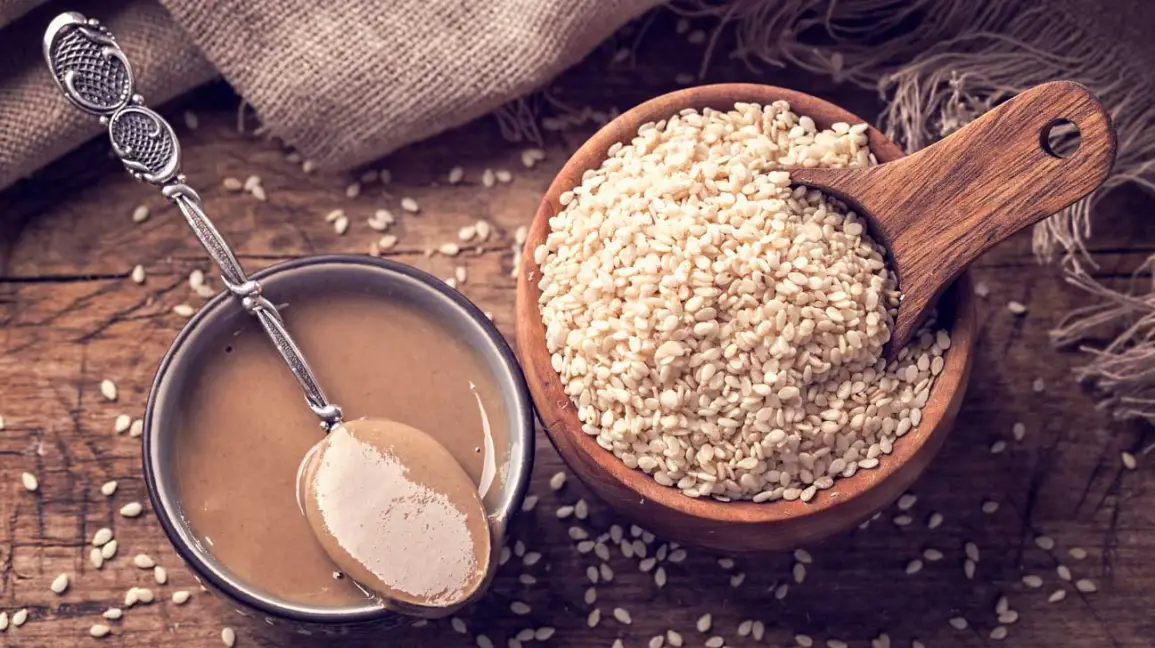
Tahini, a creamy paste made from ground sesame seeds, has been a staple in Middle Eastern, Mediterranean, and North African cuisines for centuries. This versatile ingredient is much more than just a key component of hummus; it’s a nutritious, flavorful addition to countless dishes around the world. From its ancient origins to its modern-day popularity, tahini has earned its place as a beloved pantry essential in homes and restaurants alike. In this article, we’ll explore the history, nutritional benefits, uses, and recipes that make tah ini a unique and indispensable ingredient.
A Brief History of Tahini
The roots of tahini trace back thousands of years to the ancient civilizations of Mesopotamia and Egypt. The earliest recorded mention of sesame seeds, and by extension tahini, dates back to 2500 BCE. In fact, the earliest known recipe for tahini-like pastes comes from the ancient Assyrians, who used sesame seeds in their culinary practices. Over time, the sesame seed spread throughout the Middle East and into the Mediterranean region.
In the Middle Ages, the Islamic Golden Age saw further refinement of sesame-based products, including tahini, which became integral to the region’s cuisine. Ancient Egyptians made use of sesame oil and seeds, and it is believed that they were one of the first to develop tah ini as we know it today. By the 20th century, tahini had become a popular ingredient throughout the Middle East and North Africa. It gained international recognition as global culinary tastes began to expand and interconnect.
In modern times, tahini is not only used in traditional dishes but has also found its way into more contemporary recipes across the globe. Its health benefits, creamy texture, and rich flavor make it a go-to ingredient for both savory and sweet dishes.
How Tahini is Made
Tahini is made by grinding roasted or raw sesame seeds into a smooth, oily paste. The process of making tahini typically involves either cold-pressing or dry-roasting sesame seeds, which releases the oil and makes the seeds easier to blend. Depending on whether the seeds are roasted or raw, the resulting tahini can have a slightly different flavor profile: roasted sesame seeds lend a deeper, nuttier taste, while raw seeds offer a more delicate, earthy flavor.
In its purest form, tahini consists solely of ground sesame seeds. However, it is also common to find tahini products that have been enhanced with ingredients like salt, lemon juice, olive oil, or garlic to create a more complex flavor. Tahini’s consistency can vary from thick and paste-like to a more liquid texture, depending on the brand or specific recipe.
Nutritional Benefits of Tahini
One of the reasons tahini has gained such widespread acclaim is its impressive nutritional profile. It is a highly nutritious food packed with vitamins, minerals, healthy fats, and plant-based protein. Here are some of the standout health benefits of tahini:
1. Rich in Healthy Fats
Tahini is an excellent source of unsaturated fats, particularly monounsaturated and polyunsaturated fats, which are beneficial for heart health. These healthy fats help reduce bad cholesterol levels, lower the risk of heart disease, and promote overall cardiovascular health.
2. A Good Source of Protein
For plant-based eaters, tahini serves as an important protein source. A tablespoon of tah ini contains around 2–3 grams of protein, which is valuable for muscle building, immune function, and overall bodily repair.
3. Packed with Minerals
Tahini is especially high in minerals like calcium, magnesium, and iron. The calcium content makes it a great addition to a plant-based diet for supporting bone health. Magnesium plays a key role in muscle function and regulating blood sugar levels, while iron is essential for the formation of red blood cells and overall energy levels.
4. High in Fiber
Sesame seeds contain a healthy amount of fiber, which is beneficial for digestive health. Fiber helps regulate bowel movements, reduces the risk of constipation, and may contribute to better weight management by promoting satiety.
5. Rich in Antioxidants
Tahini also contains antioxidants such as sesamin and sesamolin, which are compounds found in sesame seeds that help protect cells from oxidative damage. These antioxidants may help reduce inflammation and support long-term health.
6. Vegan and Gluten-Free
As a naturally vegan and gluten-free food, tah ini is an excellent ingredient for people following specific dietary restrictions or preferences.
Uses of Tahini in Cooking
Tahini’s versatility as an ingredient is one of the key reasons it has gained such widespread popularity. Whether used as a dressing, dip, spread, or even in baked goods, tah ini can enhance the flavor and texture of a wide variety of dishes. Here are just a few of the many ways tah ini is used in cooking:
1. Hummus
The most famous use of tah ini is in hummus, the creamy chickpea-based dip that is a staple in Middle Eastern cuisine. Tah ini is blended with chickpeas, olive oil, garlic, lemon juice, and salt to create a smooth, velvety dip that pairs perfectly with pita bread, vegetables, or crackers.
2. Salad Dressings and Sauces
Tahini makes an excellent base for salad dressings and sauces. By thinning it with lemon juice, garlic, and a bit of water, you can create a tangy, creamy dressing that’s perfect for drizzling over fresh vegetables, grains, or roasted meats. Tah ini-based sauces also pair wonderfully with grilled meats like chicken and lamb.
3. Baking
Though not as commonly associated with desserts, tah ini can be used in baking for a rich, nutty flavor. It can be incorporated into cookies, cakes, and brownies, providing a depth of flavor that complements chocolate, fruit, and spices. One popular example is tah ini cookies, where the paste adds a luscious texture to the dough.
4. Smoothies and Shakes
Tahini can also be used in smoothies and protein shakes, adding both creaminess and nutritional value. Its rich, nutty flavor complements ingredients like banana, chocolate, and berries, making for a satisfying breakfast or snack.
5. Savory Dishes
In addition to being a component of hummus, tah ini can be used in savory stews, soups, and roasted vegetable dishes. It can be stirred into soups for added creaminess or drizzled over roasted cauliflower, eggplant, or sweet potatoes for an extra burst of flavor.
6. Vegan Substitutes
For those on a vegan diet or looking for plant-based alternatives, tah ini can replace butter or cream in various recipes. It works particularly well as a substitute for cream in pasta dishes, or as a base for vegan “cheese” sauces.
Simple and Delicious Tahini Recipes
Tahini Lemon Dressing
A quick and easy dressing for salads and bowls.
- 3 tablespoons tah ini
- Juice of 1 lemon
- 1 tablespoon olive oil
- 1 garlic clove, minced
- Water to thin (about 2 tablespoons)
- Salt and pepper to taste
Whisk all ingredients together until smooth. Adjust consistency with water, and season with salt and pepper to taste.
Tahini Chocolate Chip Cookies
A nutty twist on the classic chocolate chip cookie.
- 1 cup tahini
- 1 cup sugar
- 1 teaspoon vanilla extract
- 1 cup chocolate chips
- 2 tablespoons flour (optional, for structure)
Preheat the oven to 350°F (175°C). Mix tah ini, sugar, and vanilla until smooth, fold in chocolate chips, and bake on a parchment-lined sheet for 8-10 minutes.
Conclusion
Tahini is far more than just a traditional Middle Eastern ingredient; it’s a nutrient-packed, versatile paste that can be used in a variety of dishes, both sweet and savory. With its rich history, impressive health benefits, and ability to enhance a wide range of recipes, tahi ni deserves a prominent spot in your kitchen. Whether you use it in classic hummus, drizzle it over roasted vegetables, or incorporate it into a dessert, tah ini brings flavor, texture, and nutrition to your meals. So, the next time you reach for a jar, remember that tah ini is not just a culinary ingredient—it’s a bridge between ancient traditions and modern culinary creativity.
Trending
-

 Entertainment8 months ago
Discovering هنتاوي.com: Your Ultimate Arabic Source for Anime News and Reviews
-

 News9 months ago
Kirby Dedo Guide: All You Need to Know About Character Abilities and Combos
-

 Foods9 months ago
Jamón: Spain’s Iconic Cured Ham
-

 Tech9 months ago
BikeWise: Promoting Safe and Sustainable Cycling for All
-

 Blog9 months ago
Exploring Siozinis: The Hidden Gem of Nature’s Wonders
-

 Local Information9 months ago
SoSoActive: Your Go-To Source for Breaking News in Social and Mobile Music
-

 Tech9 months ago
Trucofax Revolutionizes In-Game Customization
-

 Local Information9 months ago
Sodiceram Explained: Innovative Designs and Eco-Friendly Practices