Connect with us

Foods

Publix: A Complete Guide to the Popular Supermarket Chain

Published

on

Publix: A Complete Guide to the Popular Supermarket Chain

Publix Super Markets is one of the most recognized grocery store chains in the United States. Known for excellent customer service, clean stores, fresh food, and employee ownership, Publix has built a loyal customer base across the southeastern United States. Since its founding in 1930, the company has expanded steadily while maintaining a strong reputation for quality and community involvement.

Publix operates hundreds of supermarkets across states such as Florida, Georgia, Alabama, Tennessee, North Carolina, South Carolina, Virginia, and Kentucky. The company is privately owned and is considered one of the largest employee-owned businesses in America. Customers often praise Publix for its friendly staff, fresh bakery items, deli sandwiches, and convenient shopping experience.

The history of Publix began when George W. Jenkins opened the first store in Winter Haven, Florida. His goal was to create a grocery store where customers would receive outstanding service and employees would feel valued. Over time, this philosophy helped the company grow into a trusted supermarket brand. Today, millions of shoppers visit Publix stores every week.

One of the biggest strengths of Publix is customer service. Employees are trained to help customers find products, carry groceries to vehicles, and maintain a pleasant shopping atmosphere. This attention to service has allowed the company to compete successfully with large retailers and discount grocery chains.

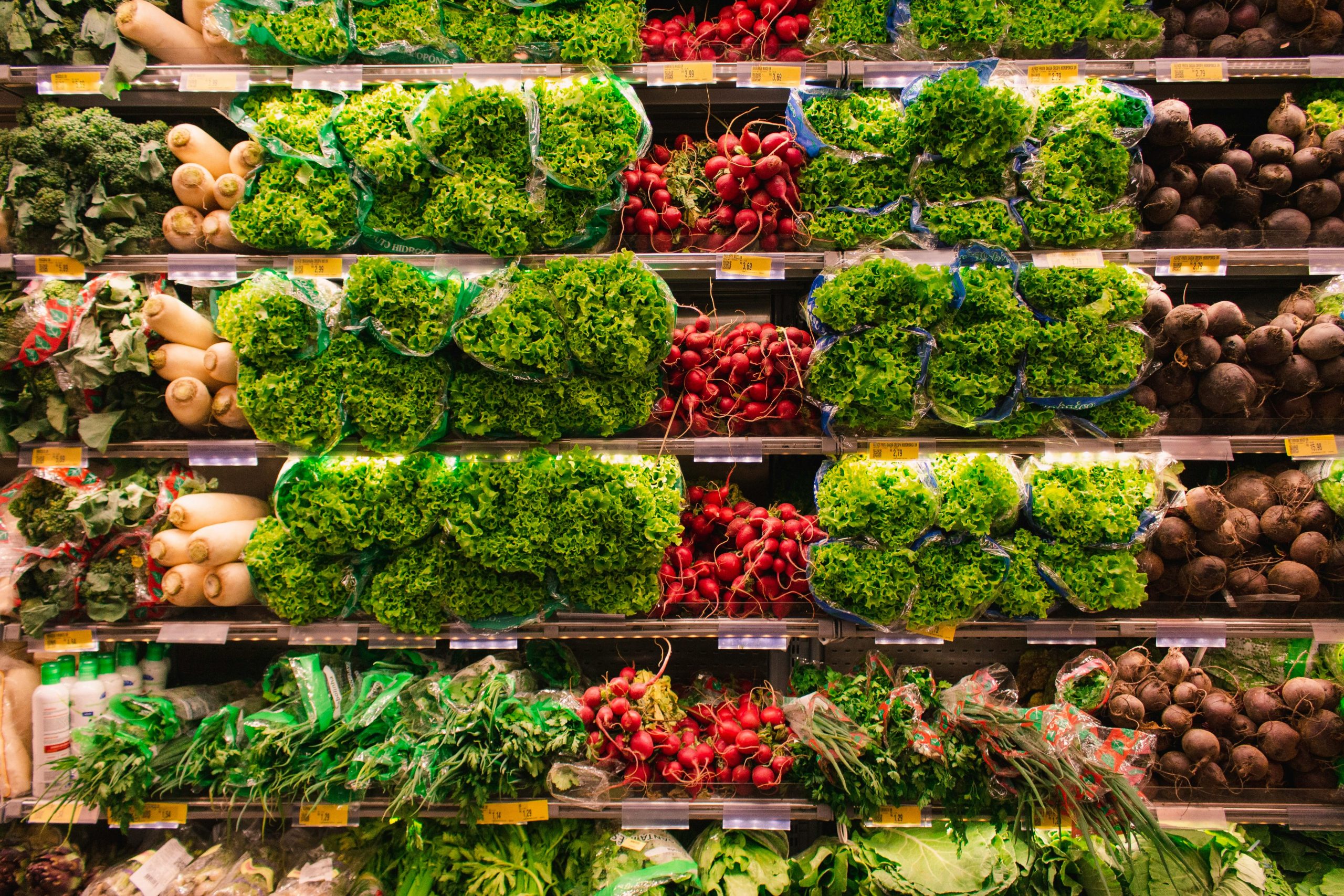
Publix stores typically include several departments such as bakery, deli, pharmacy, produce, seafood, meat, frozen foods, dairy, and household products. The bakery section is especially popular because of freshly baked cakes, cookies, and bread. Many customers also enjoy the deli department, where made-to-order sandwiches and prepared meals are available.

The company offers online shopping and grocery delivery services in many locations. Customers can order groceries using the Publix mobile app or website and receive home delivery through partnerships with delivery services. This convenience has become increasingly important for busy families and working professionals.

Publix also provides a loyalty program and weekly discounts that help shoppers save money. Digital coupons and buy-one-get-one-free deals are common promotions at Publix stores. These offers encourage repeat shopping and help customers reduce grocery expenses.

The pharmacy department is another important feature of Publix supermarkets. Many locations include full-service pharmacies offering prescription medications, immunizations, health consultations, and wellness products. Customers appreciate the convenience of shopping for groceries and healthcare items in one place.

Publix has also invested heavily in sustainability and community support. The company donates food to local charities, supports educational programs, and participates in disaster relief efforts. During hurricanes and emergencies in the southeastern United States, Publix stores often provide essential supplies to communities.

Employee ownership is a major reason for the company’s success. Many Publix workers own shares in the business, which motivates employees to maintain high service standards. This employee-focused culture has helped Publix appear on lists of the best companies to work for in America.

Another factor behind Publix’s popularity is product quality. Fresh produce, premium meats, seafood, and private-label products attract customers seeking reliable grocery options. Publix brand items are often competitively priced while maintaining good quality standards.

Technology has also improved the shopping experience at Publix. Self-checkout lanes, digital payment systems, mobile apps, and online ordering make shopping faster and more convenient. Customers can browse weekly ads, create shopping lists, and manage prescriptions online.

Publix competes with other major supermarket chains such as Walmart, Kroger, and Whole Foods Market. However, Publix differentiates itself through superior service, clean stores, and strong community relationships.

Grocery Budget Calculation at Publix

A family shopping weekly at Publix may purchase the following items:

Milk = $5
Bread = $4
Eggs = $6
Chicken = $15
Vegetables = $12
Fruits = $10
Snacks = $8
Drinks = $10

Total Weekly Cost:

5+4+6+15+12+10+8+10=705+4+6+15+12+10+8+10=705+4+6+15+12+10+8+10=70

The total grocery cost for one week is $70.

Monthly Grocery Estimate:

70×4=28070\times4=28070×4=280

The estimated monthly grocery expense would be approximately $280.

Benefits of Shopping at Publix

Fresh and high-quality products
Friendly customer service
Clean and organized stores
Online ordering and delivery options
Strong bakery and deli departments
Digital coupons and discounts
Employee-owned company culture
Community support and charitable programs

Challenges Faced by Publix

Although Publix is highly respected, it also faces challenges. Grocery competition is intense, especially from discount retailers and online grocery platforms. Rising food prices and supply chain disruptions can also affect operations. Some shoppers believe Publix prices are slightly higher than discount grocery chains, although many customers feel the service and quality justify the cost.

Future of Publix

Publix continues to expand into new states and modernize its stores. Investments in technology, delivery services, and sustainable operations are expected to support future growth. The company’s focus on customer satisfaction and employee ownership remains central to its business strategy.

As grocery shopping habits continue changing, Publix is adapting by offering more convenience, healthier food options, and digital services. Its strong reputation suggests the company will remain a leading supermarket chain for years to come.

FAQs

What is Publix famous for?

Publix is famous for excellent customer service, fresh bakery products, deli sandwiches, and clean grocery stores.

Who owns Publix?

Publix is primarily employee-owned, making it one of the largest employee-owned companies in the United States.

Where are Publix stores located?

Publix stores are mainly located in southeastern states such as Florida, Georgia, Alabama, Tennessee, and the Carolinas.

Does Publix offer online grocery delivery?

Yes, Publix provides online grocery ordering and delivery services in many areas.

Why do customers like Publix?

Customers appreciate the friendly staff, fresh products, organized stores, and quality customer experience.

Is Publix expensive?

Publix prices may be higher than discount supermarkets, but many shoppers believe the quality and service are worth the cost.

Does Publix have a pharmacy?

Yes, many Publix stores include pharmacies offering prescriptions, vaccines, and healthcare products.

What makes Publix different from competitors?

Publix stands out because of employee ownership, strong customer service, clean stores, and community involvement.

Continue Reading
Click to comment

Leave a Reply

Your email address will not be published. Required fields are marked *

Foods

Souvite Uncovered: Journey Through Cultural Essence

Published

on

Souvite Uncovered: Journey Through Cultural Essence

In the ever-evolving Souvite tapestry of global culture, certain traditions, practices, and artifacts stand as living testaments to the identity and heritage of communities. One such hidden gem, Souvite, beckons those with a curiosity for history, art, and the intricate layers of human expression. “Souvite Uncovered: Journey Through Cultural Essence” is an exploration into this remarkable cultural phenomenon, unraveling its origins, significance, and enduring allure.

Origins Rooted in Tradition

Souvite is more than a word—it represents a cultural philosophy, a way of life, and an artistic heritage passed down through generations. Its origins trace back centuries, deeply intertwined with communal rituals, storytelling, and the meticulous craft of artisans. The term “Sou vite” embodies the essence of memory and continuity, echoing through festivals, domestic ceremonies, and everyday life.

Historically, Sou vite was a medium through which communities preserved their collective wisdom. Its practice was often associated with seasonal celebrations, rites of passage, and artistic expression, acting as both a marker of identity and a bridge between the past and present.

The Aesthetic Language of Souvite

At its heart, Souvite thrives on aesthetic intricacy. From handwoven textiles to detailed carvings, the artistry is a dialogue between tradition and individual creativity. Each motif, color choice, and material carries symbolic meaning, representing elements of nature, spiritual beliefs, or historical narratives.

The aesthetic appeal of Sou vite lies not just in its visual beauty but in its ability to communicate stories. For example, a patterned textile may narrate a community’s ancestral journey, while a sculpted artifact could symbolize resilience or harmony with nature. This dual function of Souvite—as both art and narrative—is what makes it culturally profound.

Cultural Resonance in Contemporary Life

While rooted in history, Souvite is not confined to the past. Modern interpretations have emerged, blending traditional techniques with contemporary sensibilities. Fashion designers, visual artists, and cultural entrepreneurs have reimagined Sou vite for today’s global audience, creating a bridge between heritage and innovation.

Beyond artistry, Souvite continues to foster communal identity and social cohesion. Festivals, workshops, and storytelling circles provide spaces where knowledge is shared, celebrated, and passed on. In this sense, Souvite is a living tradition, constantly evolving while preserving its cultural essence.

Lessons from Souvite

Engaging with Souvite offers more than aesthetic pleasure—it provides insights into resilience, memory, and community. It reminds us that culture is not static but a dynamic, living force. Through understanding Sou vite, we glimpse the delicate interplay between identity, creativity, and history, discovering that heritage is as much about participation as preservation.

Conclusion

Sou vite, often overlooked in mainstream discourse, is a testament to humanity’s enduring quest for meaning, expression, and belonging. By uncovering its layers, we embark on a journey through cultural essence—a journey that celebrates artistry, honors tradition, and inspires a deeper connection to the world around us.

Sou vite is more than an artifact of the past; it is a vibrant, living tradition, inviting all who encounter it to pause, reflect, and celebrate the richness of human heritage.

Continue Reading

Foods

Jamón: Spain’s Iconic Cured Ham

Published

on

Jamón: Spain’s Iconic Cured Ham

When it comes to Spanish cuisine, one of the first delicacies that comes to mind is Jamón, the country’s world-renowned cured ham. With a history spanning centuries, this beloved food is not just a treat for the palate but a symbol of Spanish culture and tradition. Whether it’s a casual tapa at a local bar, a festive dish on the dinner table, or a star ingredient in gourmet dishes, Jamón is integral to the Spanish gastronomic identity. But what exactly is Jamón? How is it made, and what sets apart the different varieties? Let’s dive into the rich world of Jamon, exploring its origins, production methods, and cultural significance.

What is Jamón?

The term “Jamón” simply refers to cured ham in Spanish. Derived from the Spanish word jamón, meaning ham, the variety of Jamón enjoyed in Spain typically refers to cured hams made from the hind legs of pigs, which are then salted, air-dried, and aged to perfection. This aging process, which can take anywhere from several months to years, is key to developing the ham’s distinct flavor, texture, and aroma.

Although Jamón is a term used broadly for all types of cured ham, two main types dominate the Spanish market: Jamón Ibérico and Jamon Serrano. These two varieties, while both products of the same process—dry-curing—differ significantly in taste, texture, and price due to differences in the pigs used, their diets, and the production techniques.

The Varieties of Jamón

Jamón Ibérico: The Luxury of Spanish Ham

Arguably the most famous variety, Jamón Ibérico is considered a gastronomic treasure. What makes Jamón Ibérico so special is the breed of pig used to produce it—the Iberian pig (cerdo ibérico). This pig is native to the Iberian Peninsula, and it’s known for its unique ability to store fat within its muscle tissue, which gives the ham its rich marbling and exceptional flavor.

Within the category of Jamón Ibérico, there are several classifications based on the pig’s diet and the length of the curing process:

  1. Jamón Ibérico de Bellota: This is the most coveted and expensive type of Jamón Ibérico. The pigs are allowed to roam freely in oak forests, known as dehesas, where they feed on a diet of acorns (bellotas) for the last months of their life. This acorn-based diet imparts a nutty, sweet flavor to the ham, and the meat’s fat is rich in oleic acid, similar to olive oil. The curing process for Jamón Ibérico de Bellota typically lasts around 36 months, sometimes even longer, contributing to its deep, complex flavor profile.
  2. Jamón Ibérico de Cebo: This variety comes from pigs that are fed a diet of grains, rather than acorns. While still rich and flavorful, it is less intense and slightly leaner than its bellota counterpart. These hams undergo a shorter curing period, usually between 24 and 36 months.
  3. Jamón Ibérico de Cebo de Campo: These pigs are fed a mixed diet of grains and natural pasture, combining the flavors of acorns with the grains. The curing period is also usually around 36 months.

Jamón Serrano: The Traditional Spanish Ham

The other major category of Jamón is Jamón Serrano, which literally means “mountain ham.” The term serrano refers to the traditional method of curing ham in the cool mountain air, where the dry, breezy conditions are ideal for the air-drying process. Unlike the Iberian pigs used for Jamón Ibérico, the pigs used for Jamón Serrano are typically white breeds, such as the Landrace or Large White.

Jamón Serrano is often less expensive than Jamón Ibérico and is typically aged for 12 to 24 months, depending on the specific product. Though not as fatty or rich as its Iberian counterpart, it offers a firm texture and a delicate flavor with notes of saltiness and nuttiness.

There are also several types of Jamón Serrano, depending on the region and the specific curing methods used. Some of the most well-known are Jamón de Teruel (from the province of Teruel) and Jamón de Trevélez (from the Sierra Nevada mountains), both of which are designated with Denomination of Origin (DO) status.

How is Jamón Made?

The process of making Jamón is an art form that combines both ancient techniques and meticulous attention to detail. While there are slight variations depending on the type of Jamón, the basic process for curing ham remains largely unchanged for centuries.

  1. Slaughtering and Butchering: The process begins with the slaughter of the pig, followed by the careful removal of the hind legs, which will eventually become the Jamón. The leg is then cleaned, and the bone is often left intact.
  2. Salting: The ham is then covered with coarse sea salt, which helps draw out moisture from the meat, allowing the curing process to begin. This step typically lasts for about 1-2 weeks, depending on the weight of the ham.
  3. Resting and Washing: After salting, the ham is left to rest for several days to ensure the salt is evenly absorbed into the meat. The leg is then washed to remove excess salt before moving on to the drying phase.
  4. Air-Drying: The ham is hung in a cool, dry, and well-ventilated space, typically at high altitudes or in cellars with natural airflow. During this stage, the ham undergoes a slow drying process, sometimes lasting up to 36 months for higher-end products like Jamón Ibérico de Bellota.
  5. Aging: The aging process is essential for developing the complex flavors of Jamón. During this time, enzymes break down proteins and fats, contributing to the ham’s tenderness and rich, savory taste. The longer the ham ages, the more intense and complex its flavor becomes.

The Taste and Texture of Jamón

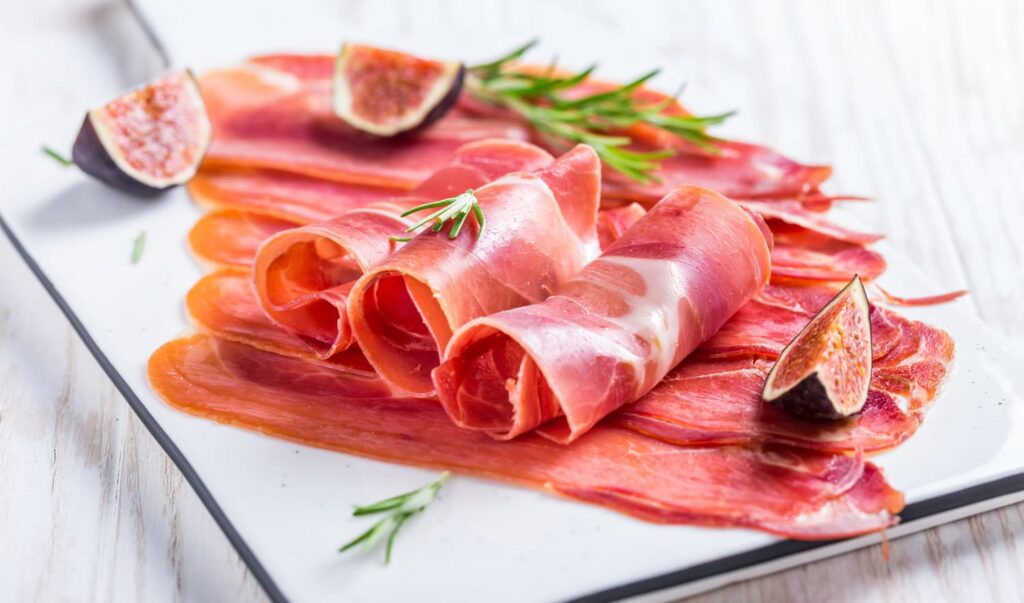
The taste of Jamón varies significantly depending on the type, aging time, and the diet of the pig. In general, Jamón Ibérico de Bellota is the most flavorful and aromatic, with a melt-in-your-mouth texture. Its fat has a silky quality that dissolves on the palate, releasing the full depth of flavor. In contrast, Jamón Serrano tends to be leaner, with a firmer texture and a more subtle, less complex flavor.

The fat in Jamón is a defining characteristic. In higher-quality hams, particularly Jamón Ibérico, the fat is a key component of the flavor profile. When the fat is tasted, it adds a richness to the overall experience, balancing the salty, savory meat with sweetness and nutty undertones.

How to Enjoy Jamón

Jamón is incredibly versatile, and there are endless ways to enjoy this Spanish delicacy. The most common way is to serve it thinly sliced, allowing the rich flavors to shine through. When slicing Jamón, it’s essential to use a sharp knife and take your time to achieve paper-thin slices, as this helps to release the ham’s aroma and texture.

Some popular ways to enjoy Jamón include:

  • Tapa-style: Served as small slices or chunks alongside olives, bread, and wine in a classic Spanish tapa.
  • With bread: A simple yet delicious way to enjoy Jamón is by placing slices on top of toasted baguette or rustic bread, often drizzled with olive oil.
  • As part of a sandwich: Jamón is often used in bocadillos (Spanish sandwiches), where it pairs well with a variety of cheeses, tomatoes, and even roasted peppers.
  • In gourmet dishes: Chefs often use Jamón as an ingredient in salads, pasta dishes, or even as a topping for pizza.

The Cultural Significance of Jamón

Jamón is not just food—it’s a cornerstone of Spanish culture. From the countryside to the bustling streets of Madrid, Jamón plays a central role in Spanish life. It’s a food that brings people together, whether shared in a family meal, celebrated at a fiesta, or enjoyed with a glass of wine at a local tavern.

Beyond its culinary role, Jamón is often seen as a symbol of quality and tradition, with families passing down recipes and techniques for curing ham across generations. It also holds cultural significance in the Spanish economy, where production and exportation of Jamón—especially the prized Jamón Ibérico—serve as major drivers of the nation’s agricultural and culinary industries.

Conclusion

Jamón is a true Spanish masterpiece, with its rich history, cultural significance, and unique production methods. Whether you’re savoring a plate of Jamón Ibérico de Bellota or enjoying a simple slice of Jamón Serrano, this iconic cured ham offers a window into Spain’s culinary heritage. From its meticulous production process to the vibrant culture surrounding it, Jamón is far more than just a food—it’s a celebration of Spain’s artistry, craftsmanship, and love for fine ingredients.

Continue Reading

Foods

The Salad Fork: A Culinary Essential with an Elegant History

Published

on

The Salad Fork: A Culinary Essential with an Elegant History

In the world of fine Salad Fork dining, the table setting is often an understated yet essential aspect of the experience. The careful arrangement of utensils, glasses, and plates not only showcases the sophistication of the establishment but also sets the stage for an enjoyable meal. Among the various tools at a formal dining table, the salad-fork holds a special place. While this piece of flatware may seem simple, it has a rich history and plays an important role in the way we enjoy meals. In this article, we’ll explore the origins, uses, and significance of the salad fork in modern dining etiquette.

Origins and Evolution of the Salad Fork

The salad fork’s roots trace back to the 19th century when dining etiquette began to formalize. Before the development of specialized utensils, people typically used larger forks for nearly every part of their meal. In the early 1800s, however, it became clear that certain foods—like delicate salads—required a more specialized instrument to facilitate easier eating.

The salad fork emerged as a response to this need. It is usually smaller than the standard dinner fork and features slightly shorter, narrower tines. These design elements allowed for better handling of salad greens and other lighter, more delicate foods, such as fruits, shrimp, or cold meats. Early salad forks were not universally included in all place settings, but as formal dining became more popular, the tool gradually gained acceptance.

By the early 20th century, as dining customs grew more elaborate, the salad-fork became a permanent fixture at the table, especially in Western European and American fine dining. During this period, various other specialized utensils—such as the soup spoon, fish fork, and dessert spoon—also emerged, each designed for specific parts of the meal. This development signaled a shift towards a more organized and refined dining experience.

Characteristics of the Salad Fork

Salad forks are typically characterized by a few distinct features that set them apart from their counterparts. While there is no standardized size, they generally fall between the smaller dessert fork and the larger dinner fork in terms of length and width.

  1. Size and Proportions: A typical salad fork is around 6 to 7 inches long. Its size allows for a more controlled and delicate handling of leafy greens or other ingredients commonly found in salads.
  2. Tine Shape: The tines of the salad fork are generally more rounded and shorter compared to those of a dinner fork. This design helps avoid tearing delicate lettuce or herbs, ensuring that the salad is neatly cut rather than crushed.
  3. Material and Finish: Like other high-quality flatware, salad-forks are often made from stainless steel, silver, or even gold-plated materials for formal occasions. The finish on the fork may vary, with some having a brushed, polished, or matte appearance. The type of material used can speak to the formality and occasion of the meal.

Proper Etiquette and Usage

The salad fork is traditionally used at the beginning of a meal, typically when a salad course is served. It is a sign of the formality of the occasion, as salads were once considered an elegant and refined dish. Here are some guidelines for using the salad fork according to proper etiquette:

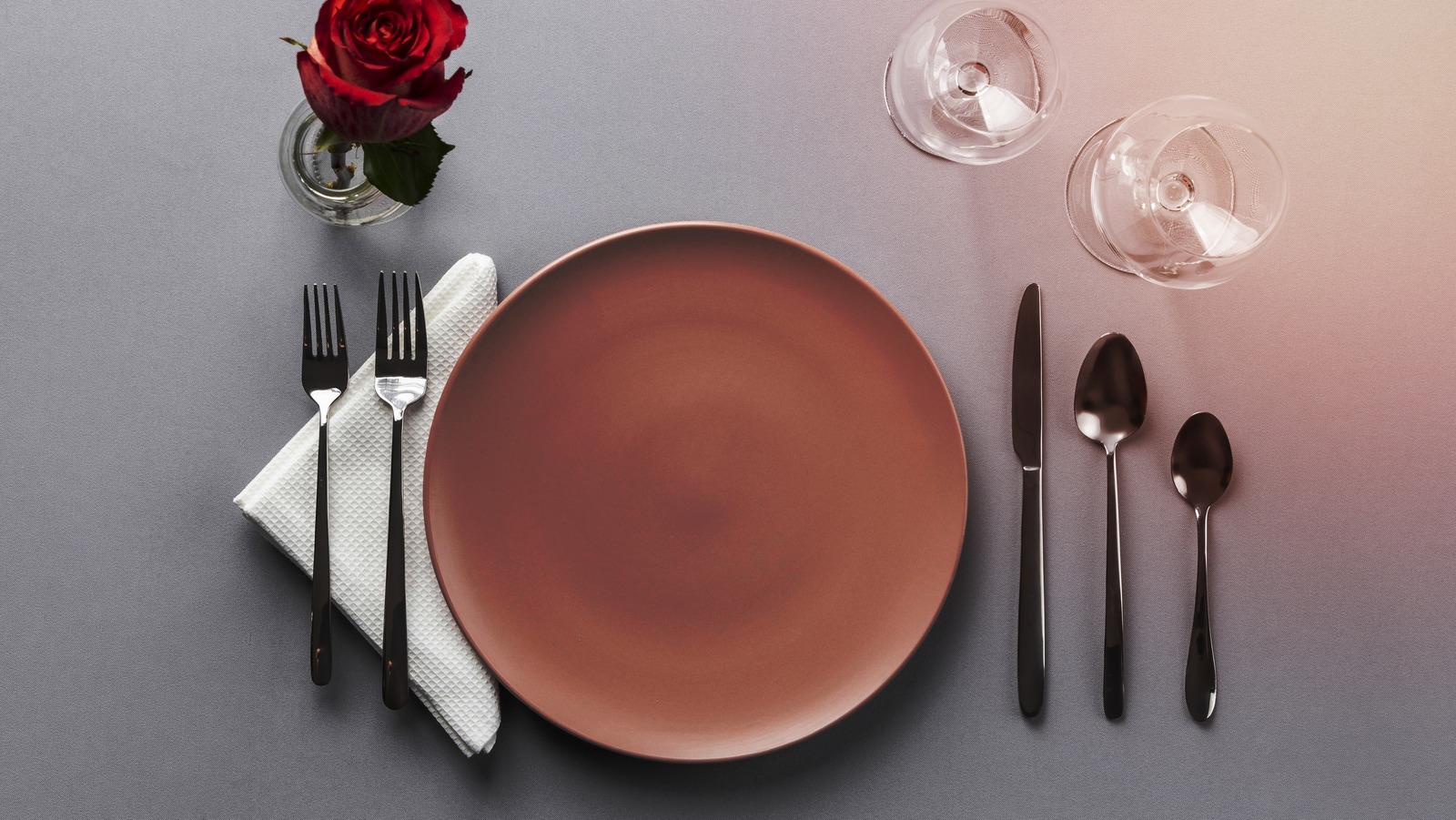
  1. Placement in the Setting: In a formal dinner setting, the salad fork is placed to the left of the dinner fork, usually the outermost fork. It is meant to be used first, during the salad course, before the main entrée.
  2. Holding the Fork: As with any piece of flatware, it is important to hold the salad fork correctly. When using the salad fork, the tines should face downward, held lightly between the thumb, index, and middle fingers. This allows for more precise control when cutting or scooping delicate salad ingredients.
  3. Cutting the Salad: While it is generally not necessary to cut individual pieces of lettuce, the salad fork can be used to help break down large or tough ingredients, such as chunks of tomatoes, cucumbers, or croutons. Unlike a dinner fork, which is designed for piercing, the salad fork allows for more delicate cutting.
  4. Eating the Salad: The goal when using the salad fork is to take small, manageable bites. When using the salad fork, it is important to maintain an elegant pace—taking the time to appreciate the textures and flavors of the salad without rushing.

The Salad Fork in Modern Dining

Today, the salad fork has found its place not only at formal dinner parties and upscale restaurants but also in more casual settings. In restaurants, it is often used for a variety of dishes beyond just salads. For instance, it may be employed for eating appetizers, cold appetizers, or even small plates that require delicate handling. The fork’s smaller size makes it perfect for tackling smaller portions of food that require precision.

In more casual environments, many people opt for multi-purpose utensils and use the standard dinner fork for salads as well. This trend, however, can detract from the overall dining experience, as specialized utensils are designed to enhance the enjoyment of different courses. The use of the salad fork, while seemingly a small detail, can elevate the meal, especially when served with a complex or gourmet salad.

For those who appreciate formal dining, a beautifully set table, and adherence to tradition, the salad fork is an important part of the culinary experience. Its continued use in fine dining restaurants and its prominence in haute cuisine reflect a commitment to culinary excellence and respect for the rituals of eating.

Cultural Variations and the Salad Fork

While the salad fork is an essential element of Western dining etiquette, other cultures may have different approaches to salads and the utensils used to eat them. In many parts of the world, salads are often served with a main meal rather than as a separate course. For example, in Mediterranean countries, salads may be eaten with bread or in conjunction with main dishes, negating the need for a specialized fork.

Similarly, in many Asian cultures, salads are typically served in bite-sized pieces or in a way that makes them easy to pick up with chopsticks or spoons, making a fork unnecessary. These cultural differences highlight how the role of the salad fork is shaped by both culinary traditions and societal customs.

Conclusion

The salad fork may seem like a simple piece of flatware, but its history and role in the world of fine dining reflect deeper values of elegance, tradition, and attention to detail. From its origins in the 19th century to its present-day use, the salad fork has evolved alongside changes in dining etiquette and culinary sophistication. Whether you’re at a formal dinner party or enjoying a light meal with friends, this unassuming utensil continues to serve as a symbol of refinement and careful attention to the art of dining.

In an era where convenience often takes precedence over tradition, the salad fork serves as a reminder of the pleasures that come with slowing down and savoring the meal. So, the next time you sit down to a beautifully plated salad, take a moment to appreciate not just the flavors and textures, but also the elegant tool designed to enhance the experience—your trusty salad fork.

Continue Reading

Trending

Copyright © 2017 Zox News Theme. Theme by MVP Themes, powered by WordPress.