
News
Strait of Hormuz Shipping Attack Raises Fears Over Global Oil Supplies

Published
20 hours agoon
By
Julliet
Around twenty million barrels of petroleum pass through one narrow strip of ocean every single day. That massive volume equals roughly twenty percent of total petroleum consumed across the globe. When a sudden Strait of Hormuz shipping attack occurs, energy markets react within minutes. News of damaged commercial vessels immediately raises fears over global oil supplies and sends price alerts to trading desks worldwide.
A single missile strike or drone hit on an oil tanker causes fast ripple effects across international borders. Energy traders worry that future shipments will slow down or stop completely. Tanker companies hesitate to send their vessels into dangerous waters without expensive insurance policies. Consumers eventually feel the pain at local gas stations when fuel prices jump overnight.
Global oil supplies depend on free and safe movement through maritime choke points. The Strait of Hormuz connects the Persian Gulf to the open ocean and remains the most critical petroleum corridor on earth. Any violence in this narrow lane threatens the economic health of dozens of countries at once. Keeping this waterway open is vital for steady factory production, affordable home heating, and reliable grocery deliveries.
Why the Strait of Hormuz Controls Global Energy Flow
Geography gives this specific body of water immense power over modern society. The passage separates Iran to the north from Oman and the United Arab Emirates to the south. At its narrowest location, the waterway measures only twenty one miles wide. Commercial shipping lanes inside that passage are just two miles wide in each direction.
Huge supertankers must travel through these exact lanes to move crude oil out of major exporting countries. Saudi Arabia, Iraq, Kuwait, and the United Arab Emirates rely heavily on this single exit point. Qatar also uses this channel to export almost all of its liquefied natural gas to international buyers. No other maritime location on the planet handles this much energy volume on a daily basis.
A prolonged blockage in this narrow corridor would shock energy systems worldwide. Tankers cannot simply take an easy detour when trouble starts. Most Middle East producers have no practical land routes to move their full daily output to distant ports. This geographic reality makes the entire global economy sensitive to any security incident in the area.
What Happened in the Recent Shipping Incident
The latest Strait of Hormuz shipping attack targeted commercial vessels moving along standard trade routes. Unmanned aerial drones and fast attack craft struck the hull of a large transport vessel without warning. The crew sent urgent distress calls to international naval coalitions operating in nearby waters. Emergency teams rushed to provide aid, secure the vessel, and prevent dangerous fuel leaks.
Military officials quickly confirmed the strike and raised security alert levels for all nearby commercial vessels. Shipping agencies advised captains to travel at maximum speed through the danger zone during daylight hours. Several vessel owners ordered their fleets to drop anchor in safe harbors until defense forces could assess the threat. This sudden slowdown delayed crude oil deliveries heading to major refineries in Asia and Europe.
International officials condemned the hostile action and called for immediate protection of civilian trade. Hostile actions against unarmed transport ships violate international maritime law and endanger civilian mariners. The incident proved once again that regional political conflicts can instantly threaten commercial shipping routes. Governments around the world began reviewing their naval deployments to prevent further disruptions.
How Oil Markets Respond to Maritime Disruptions
Commodity markets move on fear just as much as actual shortages. When news of the Strait of Hormuz shipping attack broke, crude oil prices jumped by several dollars per barrel within hours. Traders rushed to buy energy futures contracts to protect themselves against potential supply deficits. This speculative trading creates immediate upward pressure on wholesale fuel prices.
Insurance costs for commercial shipping companies skyrocket after any violent incident. Underwriters declare the area a high risk war zone and demand huge premiums to cover ships and cargo. Some ship owners must pay hundreds of thousands of extra dollars for a single voyage through the passage. These extra shipping costs do not disappear into thin air.
Buyers must pay higher final prices to cover the expanded insurance and freight expenses. Refineries pass those added costs along to wholesalers who distribute gasoline, diesel, and aviation fuel. By the time finished fuel reaches retail pumps, the higher costs hit everyday drivers. Even households that live thousands of miles away from the Persian Gulf end up paying for the disruption.
What Higher Crude Prices Mean for Your Daily Budget
Rising crude prices affect much more than just the price of filling your car with gasoline. Petroleum is a fundamental building block for modern transportation and manufacturing. When crude becomes expensive, diesel fuel prices climb along with it. Diesel powers the freight trucks, cargo trains, and ships that move food and consumer products to local stores.
Higher shipping fees force supermarkets and retail stores to raise their prices on everyday goods. You might notice higher bills for fresh produce, packaged foods, clothing, and home supplies. Power companies that burn natural gas or heavy fuel oil may also raise monthly utility rates for residential customers. High energy prices act like an extra tax on basic household budgets.
Family travel plans also become significantly more expensive during oil supply scares. Airlines adjust ticket prices rapidly when jet fuel costs climb because fuel is their largest single operating expense. Commuters spend a larger share of their weekly paychecks on daily transportation costs. Managing your money carefully becomes much more important when energy markets face instability.
Why Alternative Routes Cannot Fully Replace the Passage
Energy companies often look for backup pipelines when water passages become dangerous to cross. Saudi Arabia operates the East West pipeline that carries crude across the desert to ports on the Red Sea. The United Arab Emirates uses the Habshan to Fujairah pipeline to send crude directly to the Gulf of Oman. These bypass systems allow some crude oil to skip the dangerous strait entirely.
The total capacity of these land pipelines is far too small to replace the ocean route. Current pipelines can handle only a fraction of the twenty million barrels that move through the water each day. Expanding pipeline networks takes billions of dollars and many years of construction. Most producers in the northern Persian Gulf have no access to bypass pipelines at all.
Super ocean tankers remain the cheapest and most efficient way to transport bulk energy over long distances. A single supertanker can hold over two million barrels of crude oil in its storage tanks. Moving that massive amount of fuel overland requires complex networks that simply do not exist today. The world remains tied to the sea lanes of the Strait of Hormuz for the foreseeable future.
How Global Navies Work to Keep Tankers Safe
Naval task forces from multiple nations patrol the waters around the Arabian Peninsula continuously. These military fleets include guided missile destroyers, fast frigates, and specialized surveillance aircraft. Radar planes and ocean drones scan the surface day and night to spot suspicious vessels or airborne threats. Warships often provide armed escorts for groups of vulnerable commercial tankers passing through danger areas.
Private maritime security companies also play an active role in protecting merchant ships today. Tanker operators hire trained security guards to ride along on voyages through dangerous corridors. Crews install razor wire along the deck rails and set up safe rooms called citadels inside the ship. Water cannons and acoustic sound devices help deter attackers from boarding the vessel from small speedboats.
These defensive measures reduce the chance of successful strikes, but they cannot eliminate every danger. Fast drones and long range missiles present new tactical challenges for naval defense systems. Defending thousands of commercial ship transits every month requires huge military resources and constant vigilance. A single lucky strike by an attacker can disrupt the entire trade corridor.
Ways Governments Use Strategic Reserves to Lower Costs
Governments maintain large underground petroleum stockpiles to handle sudden energy emergencies. The United States manages the Strategic Petroleum Reserve in huge salt caverns along the Gulf Coast. Japan, South Korea, and several European nations keep similar emergency fuel stocks ready for use. These reserves exist specifically to protect economies from sudden supply disruptions or extreme price spikes.
Releasing barrels from emergency reserves adds extra supply to the market quickly when exports stall. This sudden injection of crude helps calm nervous commodity traders and stops panic buying. Refineries get the raw materials they need to keep producing gasoline and diesel without interruption. The extra supply stabilizes prices temporarily while diplomats and defense forces work to restore normal shipping traffic.
Emergency stockpiles are a short term defense rather than a permanent solution to supply threats. Salt caverns and storage tanks hold a finite number of barrels that must eventually be refilled at market prices. Drawing down reserves too quickly leaves countries vulnerable if a second crisis hits later. Policymakers must balance the need for immediate price relief against long term energy security needs.
How Supply Disruptions Increase Everyday Store Prices
Modern supply chains operate on tight schedules with minimal spare inventory stored in warehouses. When a Strait of Hormuz shipping attack delays tanker traffic, refinery schedules fall behind across the globe. Factories that make plastics, fertilizers, and industrial chemicals face shortages of essential petroleum feedstocks. Lower factory output drives up wholesale prices for thousands of manufactured components.
Trucking companies feel the immediate sting of high fuel costs and add fuel surcharges to customer invoices. A grocery chain paying higher freight rates must adjust its shelf prices to protect profit margins. Everyday staples like milk, bread, and canned goods become more expensive for ordinary shoppers. Inflation rates creep upward across the broader economy whenever energy markets stay disrupted for several weeks.
Small business owners face difficult choices when their operational expenses rise without warning. Independent contractors, delivery drivers, and service companies must absorb fuel hikes or pass them to clients. Consumers who spend more on gasoline have less disposable income left for dining out or entertainment. An energy supply shock in the Middle East gradually slows down economic growth in towns all over the world.
Smart Ways You Can Protect Your Wallet Right Now
You cannot control international energy markets, but you can take smart actions to protect your household budget. Planning ahead gives you more control over your monthly expenses when fuel costs start climbing rapidly. Small changes in your daily routines can add up to meaningful financial savings over time.
- Use mobile fuel tracking apps to find the lowest gasoline prices in your neighborhood before you fill up your vehicle.
- Keep your vehicle tires properly inflated and replace dirty air filters to improve your car fuel efficiency by several miles per gallon.
- Group your weekly errands into a single trip each week to reduce unnecessary driving miles and save gas.
- Look into fixed rate utility plans for your home electricity and natural gas to avoid unexpected price spikes during peak seasons.
- Adjust your household budget early by trimming nonessential subscription services until energy markets stabilize again.
Taking practical steps today reduces the financial stress caused by unexpected global energy events. Being mindful of your energy consumption keeps more hard earned money in your bank account each month. Consistent habits help your family weather turbulent economic periods with greater confidence.
The Outlook for Fuel Markets in the Coming Months
Energy analysts are closely watching diplomatic negotiations and naval deployments across the Middle East. If security forces restore steady shipping traffic quickly, market risk premiums will gradually fade away. Crude oil prices could settle back down to previous baseline levels as commercial confidence returns. Stable shipping conditions benefit both producing nations and consumer economies alike.
A prolonged period of tanker attacks Hormuz would create persistent price volatility throughout the year. Oil companies might seek supplies from alternative producers like the United States, Canada, Guyana, and Brazil. Ramping up crude extraction in other parts of the world takes time and requires sustained capital investment. In the meantime, global oil supplies will remain vulnerable to sudden supply shocks and geopolitical flare ups.
Energy security will dominate international policy discussions for months to come. Countries that import large volumes of crude are investing heavily in diversified energy sources to reduce their dependence on maritime choke points. Building more renewable power, domestic nuclear plants, and battery storage systems helps insulate nations from foreign supply shocks. The transition to more diverse energy systems will take decades of continuous work and investment.
Protect Your Energy Costs Today
The recent Strait of Hormuz shipping attack proves that global energy flows can face sudden disruption without warning. What happens in a narrow Middle Eastern waterway directly affects fuel prices, grocery bills, and household budgets around the world. Understanding these connections helps you make smarter financial decisions before retail prices surge.
Stay ahead of volatile energy markets by monitoring your local fuel prices and reducing wasteful energy habits at home. Take proactive control of your transportation spending, optimize your driving routes, and track market trends regularly. Start making practical adjustments to your budget today so you are fully prepared for whatever happens next in global energy markets.
You may like
News
How the Betari Box Works: The Link Between Attitude and Behaviour
Published
2 weeks agoon
September 3, 2026By
Julliet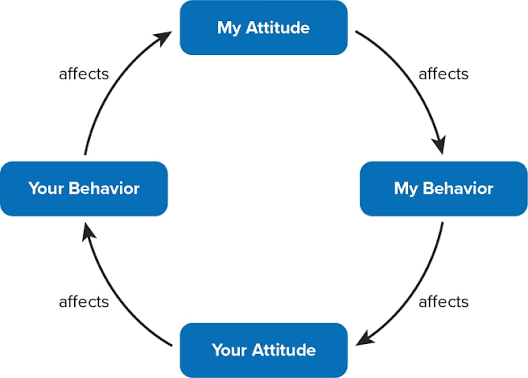
Studies show that up to 80 percent of workplace conflicts start with a simple bad mood. One person walks in feeling frustrated, and within an hour the entire team feels the tension. This chain reaction is not random. It follows a clear pattern that psychologists have studied for decades.
The Betari Box explains this pattern in a way anyone can grasp. It shows how your attitude drives your behaviour, how your behaviour affects others, and how their reaction circles back to shape your attitude all over again. Once you see this loop, you gain real power to change the way you interact with everyone around you.
This article breaks down the Betari Box model step by step. You will learn why small shifts in attitude create big results in your relationships, your career, and your daily life.
What Is the Betari Box?
The Betari Box is a simple model that maps the link between attitude and behaviour. It was created to help people see how their inner feelings shape the way they act and how those actions influence the people around them. The name comes from its original use in training programs focused on conflict resolution.
Think of it as a circle with four connected parts. Your attitude leads to your behaviour. Your behaviour triggers an attitude in someone else. That person’s attitude then shapes their behaviour back toward you. The loop repeats over and over, sometimes getting better and sometimes getting worse.
Most people never notice this cycle happening. They blame others when things go wrong without realizing their own attitude started the chain. The Betari Box pulls back the curtain on this hidden pattern so you can take control.
The Four Parts of the Betari Box Model
Every loop in the Betari Box has four clear stages. The first stage is your attitude. This includes your mood, your beliefs, and the assumptions you carry into any situation. You might feel confident, anxious, irritated, or hopeful before a conversation even begins.
The second stage is your behaviour. Your attitude pushes you to act in specific ways. A positive attitude makes you smile, listen, and speak kindly. A negative attitude makes you cross your arms, interrupt, or give short answers.
The third stage is the attitude of the other person. They pick up on your behaviour and form their own feelings in response. If you were warm and open, they feel safe and relaxed. If you were cold or rude, they feel defensive or angry.
The fourth stage is the behaviour of the other person. Their new attitude drives their actions back toward you. They might cooperate, argue, shut down, or fight back. This behaviour then feeds right back into your attitude, and the whole cycle starts again.
How Your Attitude Shapes Your Behaviour
Your attitude acts like a filter on everything you do. When you wake up feeling grateful and calm, you tend to speak softly and make eye contact. You hold doors open for strangers and give coworkers the benefit of the doubt.
When you wake up feeling stressed or resentful, the opposite happens. You snap at your partner over small things. You send blunt emails that sound harsher than you intended. Your body language closes off, and people notice even if you think they do not.
This connection between attitude and behaviour is not just a theory. Brain research confirms that emotions drive physical actions faster than conscious thought. Your body reacts to your feelings before your logical mind can step in and adjust.
The key takeaway is that your behaviour is rarely random. It almost always traces back to the attitude you held going into the moment. Change the attitude, and the behaviour follows.
How Behaviour Affects the People Around You
Humans are wired to mirror each other. Neuroscientists call this the mirror neuron effect. When you smile at someone, their brain fires the same signals as if they were smiling themselves. When you frown or raise your voice, their brain registers a threat.
This means your behaviour sends a loud message whether you mean it to or not. A manager who walks into a meeting looking bored tells the team their ideas do not matter. A parent who rolls their eyes teaches their child that honesty is not welcome.
The impact goes beyond the person standing right in front of you. Behaviour spreads through groups like a wave. One rude comment in a team chat can lower the mood of an entire department for the rest of the day.
You carry more influence than you probably realize. Every action you take plants a seed in someone else’s mind. That seed grows into their attitude, which then shapes how they treat you and everyone else they meet.
The Attitude of Others and Their Response to You
Once your behaviour reaches another person, they process it through their own lens. Their past experiences, their current stress level, and their personality all shape how they interpret what you did. Two people might react very differently to the exact same comment.
A confident coworker might brush off your short tone and move on. An insecure coworker might take that same tone as a personal attack and spend the rest of the week avoiding you. The Betari Box accounts for this by showing that the other person’s attitude is their own, even though your behaviour helped trigger it.
Their resulting behaviour then comes back to you as feedback. If they withdraw, you might feel confused or rejected. If they push back aggressively, you might feel attacked. Either way, their response feeds directly into your next attitude, and the loop continues.
Conflicts can escalate fast because of this pattern. Each person reacts to the other’s behaviour without pausing to examine the original attitude that started it all. The cycle spins tighter and tighter until someone decides to break it.
Breaking the Negative Cycle
The most valuable lesson from the Betari Box is that you can interrupt the loop at any point. You do not need to wait for the other person to change first. You have full control over your own attitude, and that single shift can redirect the entire cycle.
Start by noticing your mood before you enter a conversation or a meeting. Ask yourself what you are feeling and why. If you catch a negative attitude early, you can choose to set it aside or reframe it before it leaks into your behaviour.
Another powerful move is to respond differently when someone sends negativity your way. Instead of matching their tone, pause and choose a calm reply. This breaks the mirror effect and forces the other person to adjust.
Breaking the cycle takes practice, and you will not get it right every time. The goal is progress, not perfection. Each time you catch yourself and shift your attitude, you weaken the negative loop and build a new habit.
Building a Positive Loop with the Betari Box
The Betari Box works in both directions. Just as a negative attitude creates a downward spiral, a positive attitude creates an upward one. When you approach people with genuine warmth and respect, they tend to mirror that energy back to you.
A leader who greets the team with enthusiasm each morning sets a tone that lifts everyone’s performance. A teacher who believes in their students creates a classroom where kids try harder and take more risks. The positive feedback loop reinforces itself day after day.
To build this kind of loop, focus on small consistent actions. Smile more often. Ask people how they are doing and actually listen to the answer. Give credit where it is due and express gratitude out loud.
These small behaviours might feel minor, but they add up fast. Over weeks and months, the positive cycle becomes the default pattern in your relationships. People start seeking you out because being around you makes them feel good.
Real Life Examples of the Betari Box at Work
Consider a sales team where the manager constantly criticizes mistakes in front of the group. The manager’s attitude is one of frustration and impatience. This attitude drives behaviour like public shaming, harsh emails, and micromanaging.
The team members absorb this behaviour and develop attitudes of fear and resentment. Their behaviour shifts to hiding errors, avoiding the manager, and doing the bare minimum. The manager sees the low performance and feels even more frustrated, which restarts the cycle with greater intensity.
Now picture the same team with a manager who focuses on coaching instead of blaming. This manager’s attitude is one of curiosity and support. Their behaviour includes private feedback sessions, celebrating small wins, and asking the team what they need.
The team responds with attitudes of trust and motivation. Their behaviour shifts to taking initiative, sharing ideas, and owning their mistakes openly. The manager sees the improvement and feels encouraged, which fuels even more supportive behaviour. The positive loop takes hold.
Common Mistakes People Make with Attitude and Behaviour
One major mistake is assuming that other people are the problem. It feels natural to point fingers when a relationship goes sour. The Betari Box reminds you that your own attitude likely played a role in creating the dynamic you dislike.
Another mistake is trying to fake a positive attitude without doing the inner work. People can tell when your smile is forced. Surface level behaviour changes do not last if the underlying attitude stays negative. Real change starts with honest self reflection.
A third mistake is giving up too soon. Shifting a negative cycle that has been running for months or years takes time. You might try being kind to a difficult coworker for a week and see no change. That does not mean the model is broken. It means the loop needs more time to reset.
The final mistake is ignoring your own needs in the process. The Betari Box is not about being a doormat. You can hold firm boundaries while still choosing a constructive attitude. Being direct and being kind are not opposites.
Simple Steps to Change Your Attitude Today
Begin each morning with a quick mental check. Before you look at your phone or start your tasks, take thirty seconds to name how you feel. This simple act of awareness creates space between your emotions and your actions.
Practice reframing negative thoughts throughout the day. If you catch yourself thinking “this meeting is going to be a waste of time,” try shifting to “I will look for one useful idea in this meeting.” The situation stays the same, but your attitude changes, and so does your behaviour.
Surround yourself with people who model the attitude you want to build. Attitudes are contagious in both directions. Spending time with optimistic and solution focused people will naturally lift your own mindset over time.
End each day by reflecting on one interaction that went well and one that did not. Think about what attitude you brought to each situation. This nightly review trains your brain to notice patterns and make better choices tomorrow.
Why the Betari Box Matters in Leadership
Leaders set the emotional tone for entire organizations. Research from Gallup shows that managers account for 70 percent of the variance in team engagement scores. That number highlights just how much a leader’s attitude and behaviour shape the workplace experience.
When a leader operates from a place of trust and respect, the Betari Box creates a culture where employees feel safe to innovate and speak up. Mistakes become learning opportunities instead of reasons for punishment. Collaboration replaces competition.
When a leader operates from fear or ego, the opposite happens. Employees disengage, turnover rises, and creativity stalls. The negative cycle drains energy from everyone involved, including the leader themselves.
The best leaders use the Betari Box as a daily reminder. They check their attitude before walking into a room. They choose their words carefully. They know that their behaviour is the loudest message they send, and they take responsibility for the cycles they create.
How the Betari Box Connects to Emotional Intelligence
Emotional intelligence is the ability to recognize and manage your own emotions while also reading the emotions of others. The Betari Box is essentially a visual map of emotional intelligence in action. It shows the cause and effect chain that emotionally intelligent people follow instinctively.
People with high emotional intelligence catch their negative attitudes early. They pause before reacting and choose behaviours that serve the relationship rather than their ego. They also read the attitudes of others accurately and adjust their approach accordingly.
The good news is that emotional intelligence is a skill, not a fixed trait. You can improve it through practice and self awareness. The Betari Box gives you a clear framework to track your progress and spot areas where you need to grow.
Start by paying attention to the feedback loop in your closest relationships. Notice how your mood affects your partner, your children, or your best friend. The patterns you find at home will mirror the patterns you see at work.
Using the Betari Box to Resolve Conflict
Most conflicts follow a predictable Betari Box loop. Person A holds a negative attitude about Person B. Person A acts cold or aggressive. Person B picks up on the hostility and forms a defensive attitude. Person B pushes back or shuts down. Person A feels justified in their original negative attitude, and the cycle locks in place.
To resolve the conflict, someone has to step out of the loop. The most effective approach is to address the attitude layer directly. Instead of arguing about specific behaviours, try naming the feelings underneath. Say something like “I think we are both feeling frustrated, and I want to fix this.”
This kind of honest communication disrupts the automatic cycle. It invites the other person to drop their guard and engage with you as a human being rather than an opponent. Once both attitudes soften, the behaviours follow, and the conflict begins to dissolve.
Mediators and therapists use versions of the Betari Box all the time. They help each party see how their own attitude contributed to the problem. This shared awareness creates a foundation for real resolution instead of temporary truces.
The Science Behind Attitude and Behaviour Loops
Psychologists have studied attitude and behaviour loops for over a century. The concept of the self fulfilling prophecy, first described by Robert Merton in 1948, is closely related to the Betari Box. Merton showed that a false belief can trigger behaviour that makes the belief come true.
For example, if a teacher believes a student is lazy, the teacher may give that student less attention and fewer opportunities. The student notices the lack of support and stops trying. The teacher then points to the student’s poor performance as proof of the original belief. The prophecy fulfills itself through the cycle of attitude and behaviour.
Modern neuroscience adds another layer to this picture. Brain imaging studies show that negative social interactions activate the same pain centers as physical injury. A harsh word or a dismissive gesture literally hurts the brain of the person receiving it.
The biological reality makes the Betari Box more than a nice idea. It is a description of how human brains actually work in social settings. Respecting this loop is essential for mental health and strong relationships.
Applying the Betari Box in Customer Service
Customer service is one of the clearest places to see the Betari Box in action. A customer calls in already upset about a product issue. Their negative attitude drives aggressive behaviour like yelling or making demands.
The service representative absorbs this behaviour and may develop an attitude of defensiveness or annoyance. Their behaviour shifts to sounding robotic, rushing the call, or giving unhelpful answers. The customer feels even more frustrated, and the interaction spirals downward.
Trained representatives learn to break this loop by holding a positive attitude regardless of the customer’s behaviour. They use calm tones, empathetic language, and active listening. This behaviour gradually shifts the customer’s attitude from anger to relief.
Companies that train their teams on the Betari Box model see measurable improvements in customer satisfaction scores. The model gives employees a clear reason to stay composed under pressure. It also reduces burnout by helping staff separate the customer’s attitude from their own self worth.
The Role of Self Awareness in the Betari Box
Self awareness is the engine that makes the Betari Box useful. Without the ability to observe your own thoughts and feelings, you remain trapped in automatic loops. You react to situations on autopilot and wonder why the same problems keep showing up.
Building self awareness starts with curiosity. Instead of judging yourself for having a bad attitude, get curious about where it came from. Did you sleep poorly? Are you worried about a deadline? Did a past experience colour your view of this person?
Journaling is one of the simplest tools for growing self awareness. Writing down your thoughts forces you to slow down and examine them. Over time, you will start to see patterns in your attitudes and the behaviours they produce.
Meditation and mindfulness practices also strengthen self awareness. Even five minutes of quiet breathing each day trains your brain to notice emotions as they arise. This extra moment of awareness gives you the space to choose your behaviour instead of reacting blindly.
Conclusion
The Betari Box is a simple model with a powerful message. Your attitude drives your behaviour. Your behaviour shapes the attitudes of the people around you. Their attitudes drive their behaviour back toward you. The loop never stops, which means you are always influencing the quality of your relationships whether you realize it or not.
You hold the key to changing any cycle you do not like. You cannot control how other people act, but you have full authority over your own attitude. A small shift in how you feel can redirect an entire interaction and set a new pattern in motion.
Start paying attention to the loops in your life this week. Notice when a negative cycle spins out of control and ask yourself what attitude started it. Then experiment with choosing a different attitude and watch how the behaviour around you begins to shift.
Your relationships, your career, and your daily happiness will improve as you put the Betari Box into practice. The model is simple, but the results are real. Take the first step today by checking your attitude before your next conversation. You might be surprised at how quickly the cycle turns in your favour.
News
Python: A Complete Beginner’s Guide to Programming, Features, Uses, and Benefits
Published
3 months agoon
June 29, 2026By
Julliet
Introduction
Python is one of the most popular programming languages in the world. It is known for its simple syntax, readability, and versatility, making it an excellent choice for beginners and experienced developers alike. Since its creation by Guido van Rossum in 1991, Python has become the foundation for web development, artificial intelligence, machine learning, data science, automation, cybersecurity, and software development.
Python is open-source, meaning anyone can download, use, and modify it without paying licensing fees. Its extensive collection of libraries and frameworks helps developers build applications quickly and efficiently.
Whether you want to become a software engineer, data scientist, or automation specialist, learning Python is one of the best investments you can make.
What is Python?
Python is a high-level, interpreted programming language designed to make coding easy to read and write. Unlike low-level programming languages, Python uses English-like syntax that allows programmers to focus on solving problems instead of worrying about complex coding rules.
Python supports multiple programming styles, including:
- Object-Oriented Programming (OOP)
- Functional Programming
- Procedural Programming
Its flexibility allows developers to build almost any type of application.
Features of Python
Python includes many features that make it one of the world’s favorite programming languages.
Simple Syntax
Python code looks similar to everyday English, making it easy for beginners to understand.
Free and Open Source
Anyone can download Python without paying any licensing costs.
Cross-Platform
Python works on Windows, macOS, Linux, and many other operating systems.
Huge Standard Library
Python comes with thousands of built-in modules that simplify programming tasks.
Large Community
Millions of developers contribute tutorials, libraries, and open-source projects.
Automatic Memory Management
Python automatically handles memory allocation, reducing programming errors.
Extensive Libraries
Popular libraries include:
- NumPy
- Pandas
- Matplotlib
- TensorFlow
- Flask
- Django
- Scikit-learn
Advantages of Python
Python offers many benefits:
- Easy to learn
- Faster development
- Large community support
- Excellent documentation
- Portable across platforms
- Supports AI and machine learning
- Ideal for beginners
- High productivity
- Massive library ecosystem
Disadvantages of Python
Although Python has many strengths, it also has some limitations:
- Slower than compiled languages like C++
- Higher memory usage
- Not ideal for mobile app development
- Global Interpreter Lock (GIL) limits some multithreading performance
Applications of Python
Python is used in nearly every area of software development.
Web Development
Frameworks like Django and Flask allow developers to build secure websites and web applications.
Data Science
Python is the leading language for data analysis and visualization.
Artificial Intelligence
AI researchers use Python to build intelligent systems and neural networks.
Machine Learning
Libraries such as TensorFlow and Scikit-learn simplify machine learning development.
Automation
Python automates repetitive tasks like file management, email sending, and web scraping.
Game Development
Developers use libraries such as Pygame to create games.
Cybersecurity
Python helps automate penetration testing and security analysis.
Desktop Applications
Python supports GUI development using Tkinter and PyQt.
Cloud Computing
Many cloud platforms support Python applications.
Why Learn Python?
Python is recommended for beginners because it is easy to read and write. It is also highly demanded by employers worldwide.
Learning Python can help you become:
- Software Developer
- Data Scientist
- Machine Learning Engineer
- AI Engineer
- Web Developer
- Automation Engineer
- DevOps Engineer
- Cybersecurity Analyst
Python Syntax Example
A simple Python program:
print("Hello, World!")
Variables:
name = "John"
age = 25
print(name)
print(age)
Conditional Statement:
age = 18

if age >= 18:
    print("Adult")
else:
    print("Minor")
Loop Example:
for i in range(5):
    print(i)
Function Example:
def greet(name):
    return "Hello " + name

print(greet("Alice"))
Popular Python Frameworks
Some widely used Python frameworks include:
- Django
- Flask
- FastAPI
- Pyramid
- Tornado
Each framework serves different development needs.
Popular Python Libraries
Python has thousands of libraries.
Popular examples include:
- NumPy
- Pandas
- Matplotlib
- Requests
- BeautifulSoup
- TensorFlow
- PyTorch
- OpenCV
- Scikit-learn
- Selenium
Career Opportunities
Python developers are in high demand across industries.
Common job roles include:
- Python Developer
- Backend Developer
- Data Analyst
- Data Scientist
- AI Engineer
- Machine Learning Engineer
- DevOps Engineer
- Automation Engineer
- Software Engineer
Python skills often lead to competitive salaries and strong career growth.
Python Learning Roadmap
Step 1: Learn Python syntax
Step 2: Understand variables and data types
Step 3: Learn loops and conditions
Step 4: Study functions
Step 5: Practice object-oriented programming
Step 6: Work with files
Step 7: Learn libraries
Step 8: Build projects
Step 9: Learn Git and GitHub
Step 10: Choose a specialization such as web development, AI, or data science
Python Calculation Example
Suppose a Python developer earns $30 per hour.
Hours worked in one week:
40 hours
Formula:
Weekly Salary = Hourly Rate × Hours Worked
Calculation:
Weekly Salary = 30 × 40
Weekly Salary = $1,200
Monthly Salary (Approximate):
$1,200 × 4 = $4,800
Yearly Salary:
$1,200 × 52 = $62,400
Python can also perform this calculation easily.
hourly_rate = 30
hours = 40

weekly_salary = hourly_rate * hours
monthly_salary = weekly_salary * 4
yearly_salary = weekly_salary * 52

print(weekly_salary)
print(monthly_salary)
print(yearly_salary)
Output:
1200
4800
62400
Best Resources for Learning Python
Some of the best ways to learn Python include:
- Official Python documentation
- YouTube tutorials
- Coding bootcamps
- Online coding platforms
- Practice websites
- Open-source projects
- Personal coding projects
Consistency and regular practice are the keys to mastering Python.
Frequently Asked Questions (FAQs)
What is Python used for?
Python is used for web development, artificial intelligence, machine learning, automation, data science, cybersecurity, desktop applications, and software development.
Is Python easy to learn?
Yes. Python is considered one of the easiest programming languages for beginners because of its simple syntax.
Is Python free?
Yes. Python is completely free and open source.
Can I get a job after learning Python?
Yes. Python is one of the most in-demand programming languages, and many companies hire Python developers.
How long does it take to learn Python?
Basic Python can be learned in a few weeks with consistent practice. Becoming proficient may take several months depending on your goals.
Does Python require a powerful computer?
No. Python runs well on most modern computers with modest hardware.
Which companies use Python?
Many leading technology companies use Python for various applications, including web services, data analysis, and automation.
Is Python good for beginners?
Absolutely. Python is widely recommended as the first programming language for new programmers.
Can Python build websites?
Yes. Frameworks like Django, Flask, and FastAPI allow developers to create modern web applications.
Is Python future-proof?
Yes. Python continues to grow in popularity due to its extensive use in artificial intelligence, automation, cloud computing, and data science.
Conclusion
Python has earned its reputation as one of the world’s most versatile and beginner-friendly programming languages. Its clean syntax, extensive libraries, and broad range of applications make it suitable for everything from simple scripts to advanced AI systems. Whether you are starting your programming journey or expanding your technical skills, Python provides countless opportunities for learning, innovation, and career growth. By practicing consistently and building real-world projects, you can develop valuable programming skills that remain in high demand across industries.
News
BikeRumor: The Ultimate Source for Cycling News and Reviews
Published
3 months agoon
June 15, 2026By
Julliet
BikeRumor is one of the most popular websites dedicated to cycling enthusiasts around the world. Founded in 2008, the platform provides the latest news, product reviews, industry updates, and coverage of mountain bikes, road bikes, gravel bikes, and e-bikes. Whether you are a professional cyclist or a beginner, BikeRumor offers valuable information to help you stay updated with the latest trends in the cycling world.
What Is BikeRumor?
BikeRumor is an online publication that focuses on bicycles and cycling culture. It publishes daily articles covering new bike launches, accessories, components, technology, races, and interviews with experts. The website has gained a strong reputation because of its detailed reviews and reliable information.
Cyclists from different countries visit BikeRumor to learn about innovations in bike design and to discover the latest products from leading brands. The platform also covers major cycling events and exhibitions, giving readers insights into upcoming trends in the industry.
Features of BikeRumor
Latest Cycling News
BikeRumor provides up-to-date news about the cycling industry. Readers can find information about newly released bikes, gear, and components from major manufacturers.
Product Reviews
The website is famous for its honest and detailed reviews. These reviews help cyclists make informed decisions before purchasing bikes, helmets, wheels, and accessories.
Bike Technology
BikeRumor regularly explores technological advancements in cycling. From lightweight frames to electronic shifting systems, readers can learn about the innovations shaping the future of cycling.
Event Coverage
Major cycling exhibitions and competitions are covered extensively by BikeRumor. These reports allow enthusiasts to stay informed about the latest happenings in the cycling community.
Training Tips
Apart from news and reviews, BikeRumor shares useful tips related to fitness, bike maintenance, and riding techniques.
Categories Covered by BikeRumor
BikeRumor covers a wide range of topics, including:
- Mountain Bikes
- Road Bikes
- Gravel Bikes
- Electric Bikes
- Bike Accessories
- Cycling Apparel
- Wheels and Tires
- Suspension Systems
- Fitness and Training
- Cycling Events
This diversity makes BikeRumor a one-stop destination for cycling enthusiasts.
Why Is BikeRumor Popular?
Several factors contribute to the popularity of BikeRumor:
Reliable Information
The website provides trustworthy content that cyclists can rely on for accurate information.
Detailed Reviews
Unlike many other websites, BikeRumor offers in-depth product analysis, helping users understand both advantages and disadvantages.
Daily Updates
Fresh content is published regularly, ensuring that readers always have access to the latest cycling news.
Global Audience
Cyclists from different parts of the world visit BikeRumor, creating a strong international community.
Expert Writers
The articles are written by experienced cyclists and industry professionals who understand the needs of readers.
Benefits of Following BikeRumor
Following BikeRumor offers numerous advantages:
- Stay informed about new products.
- Learn about cycling technology.
- Read unbiased reviews.
- Improve riding skills through expert tips.
- Discover upcoming trends in the cycling industry.
- Gain knowledge about bike maintenance.
BikeRumor and Product Reviews
One of the biggest strengths of BikeRumor is its review section. Products are tested under real conditions, allowing readers to understand their performance. Reviews often include specifications, features, advantages, and drawbacks.
Popular review categories include:
- Bike Frames
- Wheels
- Tires
- Helmets
- Cycling Shoes
- GPS Devices
- Bike Lights
- Suspension Forks
These reviews help cyclists invest in products that match their needs and budget.
BikeRumor for Beginners
Beginners can benefit greatly from BikeRumor. The website contains educational articles explaining different bike types and components. New cyclists can learn about:
- Choosing the right bike.
- Basic maintenance techniques.
- Training plans.
- Safety equipment.
- Cycling nutrition.
Such information helps newcomers enter the sport with confidence.
BikeRumor and Industry Trends
BikeRumor plays an important role in introducing emerging trends. Recent topics often include:
- Electric bicycles.
- Sustainable materials.
- Wireless shifting systems.
- Lightweight carbon frames.
- Smart cycling devices.
These innovations continue to transform the cycling experience.
Simple Calculation Example
Suppose a cyclist rides 25 kilometers daily for 30 days.
Distance Covered = Daily Distance × Number of Days
Distance Covered = 25 × 30
Distance Covered = 750 kilometers
Therefore, the cyclist covers 750 kilometers in one month.
Another example:
If a bicycle costs $1,500 and receives a 10% discount:
Discount Amount = 1,500 × 10 ÷ 100
Discount Amount = $150
Final Price = $1,500 − $150
Final Price = $1,350
Conclusion
BikeRumor has established itself as one of the leading sources of cycling information. Its comprehensive coverage, detailed reviews, and commitment to quality content make it a trusted platform for cyclists worldwide. Whether you are looking for the latest news, expert reviews, or practical cycling tips, BikeRumor provides everything needed to enhance your cycling journey.
Frequently Asked Questions
What is BikeRumor?
BikeRumor is an online publication that provides cycling news, reviews, and industry updates.
Is BikeRumor free to use?
Yes, BikeRumor is completely free for readers.
What types of bikes does BikeRumor cover?
It covers mountain bikes, road bikes, gravel bikes, electric bikes, and more.
Does BikeRumor publish product reviews?
Yes, detailed reviews are one of the platform’s main features.
When was BikeRumor founded?
BikeRumor was established in 2008.
Is BikeRumor suitable for beginners?
Yes, beginners can find educational content and buying guides.
Does BikeRumor cover cycling events?
Yes, major cycling races and exhibitions are regularly featured.
Why do cyclists trust BikeRumor?
Cyclists trust BikeRumor because of its accurate reporting, expert writers, and detailed product testing.
Can BikeRumor help with bike maintenance?
Yes, the website provides maintenance tips and practical advice.
Is BikeRumor popular worldwide?
Yes, BikeRumor has a large international audience and is considered one of the leading cycling websites.
Trending
-

 Entertainment10 months ago
Discovering هنتاوي.com: Your Ultimate Arabic Source for Anime News and Reviews
-

 Foods11 months ago
Jamón: Spain’s Iconic Cured Ham
-

 News11 months ago
Kirby Dedo Guide: All You Need to Know About Character Abilities and Combos
-

 Tech11 months ago
BikeWise: Promoting Safe and Sustainable Cycling for All
-

 Local Information11 months ago
SoSoActive: Your Go-To Source for Breaking News in Social and Mobile Music
-

 Blog11 months ago
Exploring Siozinis: The Hidden Gem of Nature’s Wonders
-

 Entertainment11 months ago
Christmas: A Global Celebration of Joy, Tradition, and Giving
-

 Tech11 months ago
Trucofax Revolutionizes In-Game Customization