
Travel
Motels: Affordable and Convenient Travel Accommodation

Published
3 months agoon
By
Julliet
Motels are one of the most popular forms of roadside accommodation in many countries, especially in the United States, Canada, and Australia. The word “motel” comes from combining the words “motor” and “hotel.” Motels were originally designed for travelers driving long distances who needed a convenient place to rest overnight. Today, motels continue to provide affordable and accessible lodging for tourists, business travelers, and families.
Unlike large luxury hotels, motels are usually smaller properties located near highways, city outskirts, or major roads. Most motels offer parking spaces directly outside the guest room, making it easy for travelers to unload luggage and continue their journey quickly. This convenience is one of the main reasons why motels remain popular even in modern times.
History of Motels
Motels became highly popular during the 1920s and 1930s when automobile travel increased rapidly. As more people started using cars for vacations and business trips, roadside accommodations became necessary. Early motels were simple cabins or small rooms built along highways to provide quick overnight stays.
In the 1950s and 1960s, motels expanded significantly due to the growth of road trips and interstate highways. Neon motel signs, swimming pools, and themed rooms became common attractions. Many famous motels from that era are still operational today and are considered cultural landmarks.
Although modern hotels and online booking platforms changed the hospitality industry, motels continue to serve budget-conscious travelers looking for simple and practical accommodation.
Features of a Motel
Motels provide basic amenities that make short stays comfortable and affordable. Common motel features include:
- Private rooms with beds and bathrooms
- Free parking near the room
- Air conditioning and heating
- Television and Wi-Fi
- Daily housekeeping services
- Reception desk for check-in and assistance
- Easy highway access
Some modern motels also include swimming pools, breakfast services, laundry facilities, and pet-friendly rooms.
Difference Between Motels and Hotels
Many people confuse motels with hotels, but there are important differences between them.
| Feature | Motel | Hotel |
|---|---|---|
| Location | Near highways and roads | City centers and tourist areas |
| Parking | Usually outside room | Separate parking area |
| Price | More affordable | Often more expensive |
| Room Access | Exterior entrances | Interior hallways |
| Services | Basic amenities | Luxury services available |
| Length of Stay | Short-term travelers | Short and long stays |
Motels focus on convenience and affordability, while hotels often provide luxury experiences and additional services.
Advantages of Staying in a Motel
There are several benefits of choosing a motel during travel.
Affordable Prices
Motels are usually cheaper than hotels. This makes them a great option for families, students, and budget travelers.
Convenient Parking
Guests can park directly outside their rooms, saving time and effort.
Easy Access
Motels are commonly located near highways, making them ideal for road trips.
Fast Check-In and Check-Out
Most motels offer quick services for travelers who only need short overnight stays.
Comfortable for Road Travelers
Drivers can rest without traveling far from the highway route.
Disadvantages of Motels
Although motels are convenient, they also have some disadvantages.
- Limited luxury facilities
- Smaller room sizes
- Less security compared to large hotels
- Fewer entertainment options
- Sometimes located far from city attractions
Travelers seeking premium experiences may prefer hotels instead.
Motel Pricing Calculation
One important reason people choose motels is affordability. Motel prices vary depending on location, season, and amenities.
For example, imagine a motel charges $55 per night.
If a traveler stays for 5 nights, the total cost can be calculated as:
55×5=275
The traveler would pay $275 for five nights.
Another example includes tax calculations. Suppose the motel room costs $80 per night with a 10% tax.
Tax amount:
80×10010=8
Total cost per night:
80+8=88
The traveler would pay $88 per night including tax.
Popular Motel Chains
Several motel brands operate around the world. These chains provide budget-friendly accommodations and standardized services.
Some well-known motel chains include:
- Motel 6
- Super 8
- Days Inn
- Travelodge
These motel brands are recognized for affordable rates and widespread locations.
Tips for Choosing a Good Motel
Selecting the right motel can improve your travel experience. Here are some useful tips:
- Read online customer reviews
- Compare prices before booking
- Check parking availability
- Confirm Wi-Fi and breakfast services
- Look for safe and clean locations
- Verify cancellation policies
Travelers should also consider proximity to restaurants, gas stations, and tourist attractions.
Future of Motels
The motel industry continues to evolve with changing travel trends. Many motels are being renovated with modern designs, smart TVs, and digital booking systems. Budget travelers and road trip enthusiasts still value the convenience and affordability motels provide.
Eco-friendly motels are also becoming more common. Some properties now use solar energy, water-saving systems, and environmentally friendly products to attract sustainable travelers.
Online travel websites and mobile apps have further improved motel bookings by allowing customers to compare prices, view photos, and read guest reviews instantly.
FAQs
What is a motel?
A motel is a type of accommodation designed mainly for motorists and road travelers. It usually offers parking directly outside guest rooms.
Why are motels cheaper than hotels?
Motels provide fewer luxury services and facilities, which helps keep prices lower.
Are motels safe?
Most motels are safe, especially reputable chains with security systems and good customer reviews.
Can families stay in motels?
Yes, many motels offer family rooms and affordable accommodations for travelers with children.
Do motels provide free Wi-Fi?
Most modern motels include free Wi-Fi as part of their services.
Are motels good for long stays?
Motels are mainly designed for short stays, but some travelers use them for extended periods due to affordable pricing.
Do motels serve food?
Some motels provide breakfast or vending machines, while others may have nearby restaurants.
Can pets stay in motels?
Many motels are pet-friendly, but policies and fees vary by property.
Conclusion
Motels remain an important part of the travel and hospitality industry. They provide affordable, convenient, and practical accommodations for millions of travelers worldwide. Whether someone is taking a road trip, traveling for business, or simply looking for budget-friendly lodging, motels offer a reliable solution. While they may not provide the luxury of high-end hotels, motels continue to attract guests because of their accessibility, low prices, and ease of use.
You may like
Travel
Travel Inspiration: Discovering New Places, Experiences, and Adventures
Published
16 hours agoon
August 22, 2026By
Julliet
Travel has a special way of changing how we see the world. A new destination can introduce us to different cultures, landscapes, foods, traditions, and people. However, before any journey begins, travelers often need one important thing: travel inspiration.
Travel inspiration can come from photographs, stories, documentaries, recommendations, social media, travel blogs, or simply the desire to experience something different. It can help transform a vague idea of taking a trip into a destination, an itinerary, and eventually a memorable experience.
What Is Travel Inspiration?
Travel inspiration refers to ideas and motivation that encourage people to explore new destinations and experiences.
It does not always mean planning an expensive international vacation. Inspiration can come from a nearby town, a weekend road trip, a local cultural attraction, or a peaceful natural area.
The best travel ideas often begin with curiosity.
Why Travel Inspiration Matters
Choosing where to travel can sometimes feel overwhelming because there are countless destinations available.
Travel inspiration helps narrow down choices based on interests, budget, time, and personal preferences.
It can encourage travelers to explore:
- Historic destinations
- Natural landscapes
- Beaches
- Mountains
- Cultural attractions
- Local food
- Adventure activities
- Small towns
- Family-friendly destinations
A good source of inspiration can make the planning process more enjoyable.
Finding Inspiration Through Nature
Nature is one of the most powerful sources of travel inspiration.
Mountains, forests, lakes, waterfalls, deserts, beaches, and national parks offer opportunities to relax and explore.
Nature-focused trips can also encourage travelers to disconnect from busy routines and spend more time outdoors.
Cultural Travel Inspiration
Travel is not only about seeing beautiful places. It is also an opportunity to understand how other communities live.
Cultural travel may involve visiting historic neighborhoods, museums, monuments, markets, temples, festivals, and traditional villages.
Trying local food and learning about regional customs can make a trip much more meaningful.
Food as a Travel Inspiration
Food can be a destination in itself.
Many travelers choose destinations because they want to experience local cuisine. Street food, traditional restaurants, regional specialties, markets, and cooking traditions can reveal a great deal about a place.
Food-focused travel can also encourage visitors to support local businesses and discover authentic experiences.
Weekend Travel Ideas
Not every trip needs to last for weeks.
A short weekend journey can provide a refreshing break from routine. Nearby destinations are often easier to reach and may require less planning.
Travelers can look for scenic viewpoints, historic locations, nature trails, local markets, or interesting towns within a manageable distance.
Short trips can be especially useful for people with limited vacation time.
Adventure Travel Inspiration
For travelers who enjoy excitement, adventure destinations can provide endless possibilities.
Hiking, cycling, kayaking, camping, climbing, snorkeling, and other outdoor activities can turn a simple trip into an active experience.
Adventure travel should always be planned according to personal fitness, local conditions, and appropriate safety requirements.
Family Travel Inspiration
Family trips require a different approach to destination selection.
Parents may look for places with comfortable transportation, suitable accommodation, accessible attractions, and activities that different age groups can enjoy.
Museums, parks, beaches, wildlife attractions, and interactive cultural experiences can provide memorable family activities.
Budget-Friendly Travel Inspiration
Travel does not have to be expensive.
Budget-conscious travelers can consider nearby destinations, public transportation, affordable accommodation, local restaurants, and free attractions.
Traveling during less busy periods can sometimes provide additional savings while also reducing crowds.
The key is to prioritize experiences rather than unnecessary expenses.
Solo Travel Inspiration
Solo travel can provide a unique sense of independence.
Traveling alone allows people to choose their own schedule, explore personal interests, and spend time reflecting away from familiar routines.
Solo travelers should research destinations carefully, keep important documents secure, stay aware of their surroundings, and maintain communication with trusted contacts.
Sustainable Travel Inspiration
Modern travelers are increasingly interested in responsible tourism.
Sustainable travel can involve using public transportation, reducing waste, respecting local communities, avoiding damage to natural areas, and supporting locally owned businesses.
Small choices can help reduce the environmental and social impact of tourism.
Photography and Travel Inspiration
Photography has become a major source of travel ideas.
Beautiful images can introduce travelers to destinations they may never have considered before. However, photographs do not always represent the complete experience.
Travelers should look beyond attractive pictures and research practical details such as weather, transportation, local customs, costs, and accessibility.
Using Travel Stories
Personal travel stories can be particularly inspiring because they describe real experiences.
Travelers can learn from other people’s successes, mistakes, discoveries, and recommendations.
Reading different perspectives can also help people create realistic expectations before visiting a destination.
Planning After Finding Inspiration
Inspiration is only the beginning.
Once you discover a destination that interests you, start researching important details. Consider the best time to visit, transportation options, accommodation, attractions, food, local customs, and estimated costs.
Then create an itinerary that leaves enough flexibility for unexpected discoveries.
Avoiding Overplanning
While planning is important, an itinerary does not need to include every possible activity.
Leaving free time can make travel more relaxing. It gives you an opportunity to explore an interesting street, stop at a local café, spend extra time at a viewpoint, or simply rest.
Sometimes the most memorable travel experiences are the ones that were never planned.
Making Travel More Meaningful
A meaningful journey is not necessarily the one with the most destinations.
Instead, focus on quality experiences. Talk to local people, learn about the area’s history, try traditional food, explore respectfully, and take time to appreciate the environment.
Travel becomes more rewarding when visitors engage with the destination rather than simply passing through it.
The Role of Technology in Travel
Technology has made travel planning easier than ever.
Travelers can use digital maps, booking platforms, translation tools, weather applications, travel guides, and mobile payment services to prepare for their journeys.
However, it is still wise to keep important information available offline in case internet access becomes unreliable.
Turning Inspiration Into Memories
Travel inspiration becomes valuable when it leads to real experiences.
Take photographs, keep notes, collect meaningful memories, and remain open to unexpected opportunities.
You may return home with more than pictures. A journey can provide new perspectives, friendships, knowledge, and stories that remain valuable long after the trip ends.
Final Thoughts
Travel inspiration can come from almost anywhere—a photograph, a conversation, a meal, a documentary, a childhood dream, or a nearby place waiting to be explored.
The most important step is to stay curious. You do not need a huge budget or an elaborate itinerary to discover something new.
Choose destinations that match your interests, plan responsibly, respect local communities, and leave room for spontaneous experiences. With the right mindset, even a simple journey can become an unforgettable adventure.
Travel
Indonesian Village Tourism: Discovering Authentic Culture, Nature, and Local Life
Published
3 days agoon
August 20, 2026By
Julliet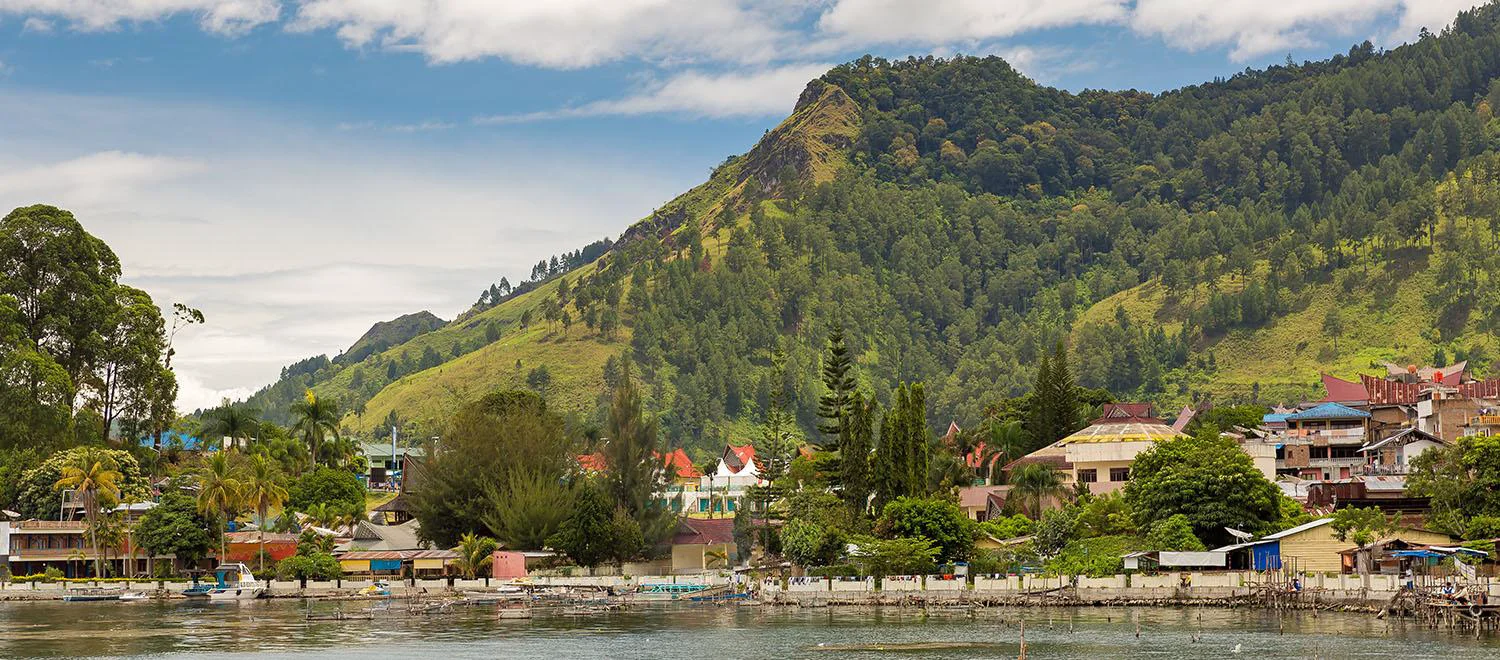
Indonesia is famous for tropical beaches, dramatic volcanoes, beautiful islands, and vibrant cities. But beyond the country’s well-known attractions lies another side of Indonesia that deserves attention: its villages.
Indonesian village tourism offers travelers an opportunity to experience local culture, traditional lifestyles, natural landscapes, food, crafts, and community activities in a more personal way. Instead of simply visiting an attraction and leaving, travelers can spend time understanding how local communities live and preserve their traditions.
Tourism villages, commonly known as desa wisata in Indonesia, have become an important part of the country’s tourism landscape. Indonesia’s official tourism platform features villages across regions including Java, Sumatra, Sulawesi, Kalimantan, Maluku, Papua, Bali, and Nusa Tenggara.
What Is Indonesian Village Tourism?
Indonesian village tourism is a form of travel that allows visitors to explore rural communities and experience local life.
A tourism village may offer natural attractions, traditional arts, local food, agriculture, handicrafts, cultural activities, outdoor adventures, and accommodation with local families.
The idea is different from conventional sightseeing. Visitors are encouraged to interact with the destination rather than simply observe it.
This can make a village trip more educational, relaxing, and culturally meaningful.
Why Tourism Villages Are Special
One of the biggest attractions of Indonesian villages is their authenticity.
Many villages maintain traditional practices that have been passed between generations. Visitors may see traditional homes, agricultural activities, local crafts, cultural performances, or community celebrations.
At the same time, many tourism villages combine cultural experiences with natural attractions.
For example, Tinalah Tourism Village in Yogyakarta combines mountain scenery, local culture, outdoor activities, homestays, and community-based experiences.
Experience Everyday Village Life
One of the best reasons to visit a tourism village is the chance to experience everyday life.
Travelers may walk through agricultural areas, observe local crafts, visit markets, participate in traditional activities, or stay in a village homestay.
A homestay can be particularly interesting because it allows visitors to interact directly with local families.
Instead of staying completely separate from the community, travelers can learn about local routines, food, customs, and traditions.
Nature and Rural Landscapes
Indonesian villages are often surrounded by impressive natural scenery.
Depending on the destination, travelers can find rice terraces, forests, mountains, rivers, waterfalls, plantations, coastlines, and green valleys.
Detusoko Tourism Village in Flores, for example, is known for its rice terraces, mountain surroundings, local culture, and rural atmosphere.
For travelers who enjoy nature without the crowds of major tourist attractions, village destinations can provide a refreshing alternative.
Cultural Experiences
Culture is one of the strongest elements of Indonesian village tourism.
Different communities have their own traditions, music, dances, clothing, architecture, ceremonies, and forms of local art.
Visitors may have opportunities to watch traditional performances or learn about the history behind local customs.
However, cultural tourism should always be approached respectfully. Travelers should remember that traditions are part of people’s lives, not simply entertainment for visitors.
Local Food and Cooking
Food is another important part of village experiences.
Many tourism villages offer visitors the opportunity to taste traditional dishes prepared with locally available ingredients.
Some destinations also provide cooking experiences where travelers can learn how traditional food is prepared.
This type of activity can turn a simple meal into a cultural experience.
Visitors can learn about local ingredients, cooking techniques, family recipes, and the relationship between food and community traditions.
Handicrafts and Local Products
Many rural communities depend on traditional crafts and creative industries.
Travelers may find handmade products such as woven materials, woodwork, pottery, textiles, souvenirs, and other locally produced items.
Buying authentic products directly from local artisans can provide economic support to the community.
It also gives travelers an opportunity to take home something connected to the destination rather than a mass-produced souvenir.
Adventure Activities
Village tourism is not always slow and quiet.
Many Indonesian tourism villages offer outdoor activities for adventurous travelers.
Depending on the destination, activities may include:
- Hiking
- Trekking
- Camping
- Cycling
- River tubing
- Farming experiences
- Nature walks
- Photography
- Outdoor educational activities
Tinalah Tourism Village, for instance, offers activities including river tubing, trekking, camping, and outdoor experiences.
This makes village tourism suitable for both relaxed travelers and people looking for active experiences.
Sustainable Tourism and Local Communities
One of the most important aspects of village tourism is community participation.
Indonesia’s tourism development framework has emphasized community-based tourism, where local people play an important role in developing and managing tourism while benefiting from the activity.
When managed responsibly, tourism can create opportunities for local businesses, guides, homestays, farmers, artisans, food producers, and other community members.
This can make tourism more beneficial for the destination itself.
Supporting the Local Economy
Travelers can contribute to local economies in simple ways.
Staying at locally operated accommodation, eating local food, purchasing handmade products, and hiring local guides can help keep tourism spending within the community.
This is particularly valuable in rural areas where tourism can create additional sources of income.
A successful tourism village is not simply a place that attracts visitors. It should also provide meaningful benefits to the people who live there.
Respecting Village Culture
Travelers should learn basic local etiquette before visiting a village.
Dress appropriately for cultural or religious settings, ask permission before photographing people, avoid disturbing private areas, and respect local customs.
Visitors should also avoid treating local traditions as something to make fun of.
Respectful behavior helps create better relationships between travelers and communities.
Popular Types of Indonesian Tourism Villages
Indonesia has many different types of tourism villages.
Some focus on agriculture and rural life, while others are known for traditional architecture, mountain scenery, coastal landscapes, crafts, or cultural heritage.
Waerebo Tourism Village in Flores, for example, is known for its remote mountain setting and traditional Mbaru Niang houses.
Other villages offer combinations of nature, culture, adventure, education, and local food.
This variety means travelers can choose a destination based on their interests.
Indonesian Village Tourism for Families
Village tourism can be an excellent option for families.
Children can learn about agriculture, nature, traditional crafts, food, and local communities through experiences that are different from classroom learning.
Parents can also enjoy a slower travel experience while introducing children to new environments and cultures.
Destinations that offer educational activities, safe outdoor spaces, and family-friendly accommodation can be especially appealing.
A Different Experience for Photographers
Rural Indonesia can also provide excellent opportunities for photography.
Rice fields, traditional houses, local markets, village streets, mountains, rivers, crafts, and cultural activities can create interesting subjects.
However, photographers should prioritize respect over getting the perfect picture.
Always ask permission when photographing people in situations where privacy or cultural sensitivity may be involved.
How to Plan a Village Trip
Before visiting a tourism village, travelers should research the destination carefully.
Check the location, transportation options, accommodation, activities, weather, local customs, and available facilities.
Some rural destinations may have fewer services than major cities.
It is also useful to learn whether activities require advance booking or whether local guides are recommended.
Good preparation can make the experience more comfortable while reducing unnecessary problems.
What to Pack
Packing depends on the destination and activities, but travelers may want to bring:
- Comfortable walking shoes
- Lightweight clothing
- Rain protection
- Reusable water bottle
- Sun protection
- Basic personal medicines
- Insect protection
- Small backpack
- Camera or smartphone
For mountain villages or trekking destinations, additional layers and appropriate outdoor equipment may be necessary.
The Future of Indonesian Village Tourism
The future of village tourism looks promising as more travelers search for authentic and meaningful experiences.
Indonesia’s official tourism platform continues to highlight tourism villages from different parts of the country, including destinations recognized through national and international tourism programmes.
Technology can also help villages reach travelers through websites, social media, digital maps, online booking systems, and creative content.
However, development should not come at the expense of local culture or the environment.
Responsible growth is essential.
Final Thoughts
Indonesian village tourism provides a different way to discover the country. Instead of focusing only on famous attractions, travelers can explore local communities, traditional culture, natural landscapes, food, crafts, and everyday life.
The experience can be simple, but that is often what makes it memorable.
A walk through a rice field, a conversation with a local family, a traditional meal, a handmade souvenir, or a night in a village homestay can reveal a side of Indonesia that conventional sightseeing may not provide.
For travelers looking for meaningful experiences, Indonesian villages offer an opportunity to slow down, connect with local communities, and discover the cultural and natural diversity that makes Indonesia unique.
Travel
Wisata Indonesia: A Complete Guide to Indonesia’s Best Travel Destinations
Published
4 days agoon
August 19, 2026By
Julliet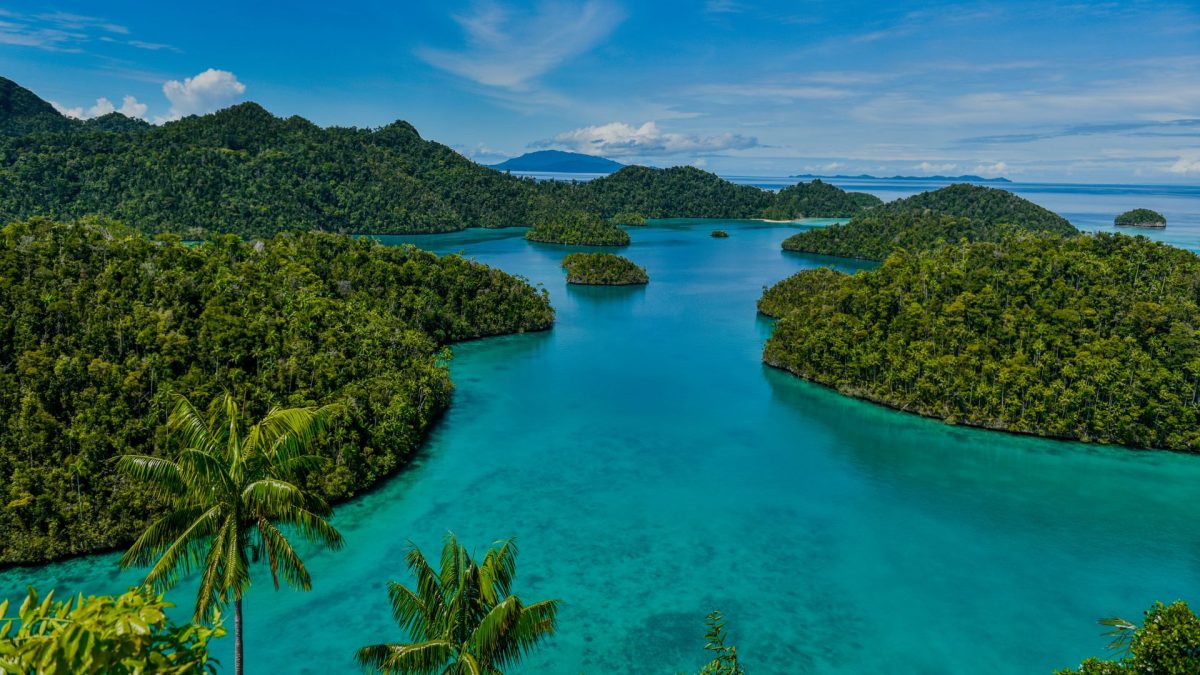
Wisata Indonesia is a perfect choice for travelers who want to explore natural beauty, rich culture, tropical beaches, historic temples, and delicious local food. Indonesia is one of the most attractive travel destinations in the world because it offers a unique mix of islands, traditions, adventure, and relaxation. From the peaceful beaches of Bali to the cultural streets of Yogyakarta, every region of Indonesia has something special to offer.
Indonesia is made up of thousands of islands, and each island has its own charm. Some are famous for luxury resorts, while others are known for volcanoes, waterfalls, diving spots, and traditional villages. This makes Wisata Indonesia ideal for solo travelers, couples, families, and adventure lovers.
Why Wisata Indonesia Is So Popular
One of the main reasons people love Wisata Indonesia is diversity. Travelers can enjoy beach holidays, mountain adventures, historical tours, and cultural experiences all in one country. Indonesia is also known for its friendly people and affordable travel options, which make it attractive for both budget and luxury tourism.
Another reason is the natural beauty. Indonesia has crystal-clear waters, green rice terraces, active volcanoes, tropical forests, and exotic marine life. Whether someone wants to relax on a beach or go hiking in nature, Indonesia has the perfect destination.
Best Places to Visit in Wisata Indonesia
1. Bali
Bali is the most famous part of Wisata Indonesia. It is known for its beaches, resorts, rice fields, temples, and nightlife. Tourists visit Bali for surfing, honeymoon trips, cultural tours, and wellness retreats. Ubud is popular for art and nature, while Seminyak and Kuta are famous for beaches and entertainment.
2. Yogyakarta
Yogyakarta is a cultural heart of Indonesia. It is one of the best destinations for travelers who want to learn about history and local traditions. The city is well known for its traditional arts, local markets, and ancient temples. It offers a different side of Wisata Indonesia, focused more on heritage and culture.
3. Lombok
Lombok is a great destination for people looking for peaceful beaches and a less crowded atmosphere. It is often chosen by travelers who want a quieter alternative to Bali. Lombok also offers mountains, waterfalls, and beautiful island views.
4. Komodo Island
Komodo Island is one of the most exciting parts of Wisata Indonesia. It is famous for the Komodo dragon, which is one of the most unique animals in the world. The island is also surrounded by amazing diving and snorkeling spots, making it perfect for nature lovers.
5. Raja Ampat
Raja Ampat is known for its underwater beauty. It is one of the best places in Indonesia for diving and marine tourism. Travelers who love coral reefs, sea life, and island scenery often place Raja Ampat high on their travel list.
Culture and Tradition in Wisata Indonesia
A major strength of Wisata Indonesia is its cultural richness. Indonesia has many ethnic groups, languages, traditional dances, and festivals. Visitors can experience local customs, handmade crafts, music, and ceremonies that reflect the country’s deep heritage.
Temples, mosques, traditional houses, and village life all add to the cultural value of Indonesia. Tourists often enjoy watching local performances or buying handmade products from traditional markets. This cultural side of Indonesia makes travel more meaningful and memorable.
Food Experiences in Wisata Indonesia
Food is another important reason why Wisata Indonesia is loved by many travelers. Indonesian cuisine is full of flavor, spices, and variety. Every region has its own local dishes, which gives tourists a chance to try something new in each destination.
Popular Indonesian foods include rice-based meals, grilled dishes, noodles, soups, and spicy street food. Fresh seafood is also common in coastal areas. Travelers who enjoy food tourism will find Indonesia exciting because the country offers both traditional recipes and modern dining experiences.
Natural Beauty of Indonesia
The natural attractions of Wisata Indonesia are truly impressive. Tourists can visit:
- white sand beaches
- tropical islands
- waterfalls
- volcanoes
- jungles
- coral reefs
- lakes and mountains
Nature lovers can hike, dive, snorkel, swim, or simply enjoy peaceful landscapes. Many visitors are surprised by how much beauty can be found across different Indonesian islands.
Best Time to Enjoy Wisata Indonesia
The best time for Wisata Indonesia usually depends on the type of trip a traveler wants. Many people prefer the dry season because it is more comfortable for beach activities, island hopping, sightseeing, and outdoor adventures. During pleasant weather, travel becomes easier and more enjoyable.
However, Indonesia can be visited throughout the year because different areas offer different travel experiences. It is always a good idea to plan according to the destination and activity.
Travel Tips for Wisata Indonesia
If someone is planning a trip to Wisata Indonesia, these simple travel tips can help:
- Plan island travel in advance because Indonesia is very large.
- Carry light clothing for warm weather.
- Respect local culture and traditions.
- Try local food from trusted places.
- Keep cash available in smaller towns and islands.
- Choose destinations based on your travel style, such as adventure, relaxation, or cultural tourism.
These small steps can make the trip safer, smoother, and more enjoyable.
Why Wisata Indonesia Should Be on Your Travel List
Wisata Indonesia offers everything a traveler could want in one destination. It has beautiful beaches, rich culture, delicious food, unique wildlife, and unforgettable scenery. Whether someone is looking for a romantic holiday, a family vacation, a solo backpacking trip, or a luxury escape, Indonesia has the right experience.
The country stands out because it combines adventure and comfort in a very special way. Travelers can spend one day exploring temples or mountains and the next day relaxing by the sea. That balance is what makes Indonesia a dream destination for many people around the world.
Conclusion
In the end, Wisata Indonesia is more than just a travel experience. It is a journey through nature, culture, history, and unforgettable memories. From Bali to Raja Ampat, every place in Indonesia has its own beauty and story. If you are planning your next vacation, Indonesia is definitely a destination worth exploring.
FAQs
What does Wisata Indonesia mean?
Wisata Indonesia generally refers to tourism in Indonesia, including travel destinations, cultural attractions, beaches, islands, and nature spots.
Which place is most popular in Wisata Indonesia?
Bali is the most popular destination because of its beaches, resorts, culture, and nightlife.
Is Wisata Indonesia good for family trips?
Yes, Indonesia is a great option for families because it offers beaches, cultural sites, nature, and family-friendly resorts.
What is the main attraction of Wisata Indonesia?
The main attraction is its mix of tropical islands, rich culture, scenic landscapes, and local food.
Trending
-

 Entertainment9 months ago
Discovering هنتاوي.com: Your Ultimate Arabic Source for Anime News and Reviews
-

 News10 months ago
Kirby Dedo Guide: All You Need to Know About Character Abilities and Combos
-

 Foods10 months ago
Jamón: Spain’s Iconic Cured Ham
-

 Tech10 months ago
BikeWise: Promoting Safe and Sustainable Cycling for All
-

 Local Information10 months ago
SoSoActive: Your Go-To Source for Breaking News in Social and Mobile Music
-

 Blog10 months ago
Exploring Siozinis: The Hidden Gem of Nature’s Wonders
-

 Tech10 months ago
Trucofax Revolutionizes In-Game Customization
-

 Entertainment10 months ago
Christmas: A Global Celebration of Joy, Tradition, and Giving