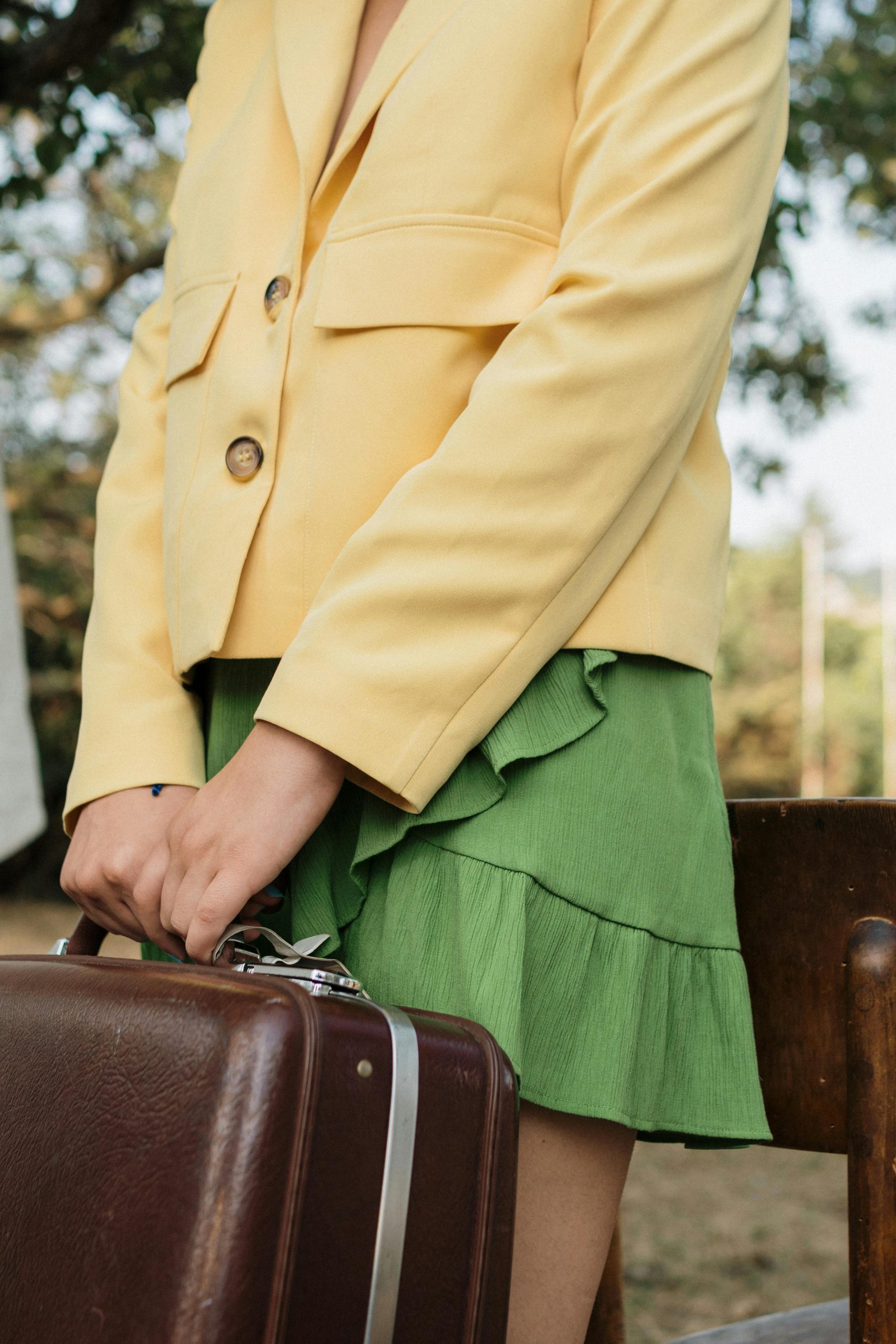
When the Dutch language adds “-tje” as a suffix to a word—taking blazer to blazertje—it softens the tone and makes the whole concept feel smaller, lighter, and more approachable. In the context of fashion, this is the perfect description for a trend that has quietly taken over smart-casual dressing everywhere. The blazertje is a shorter, tailored jacket that holds the polish of a traditional blazer but feels as natural as your favourite weekend sweater.
Among the many styles emerging across brands, the Blazertje 1000—sometimes appearing as a model number or colour code (like “1000 black”)—represents a more refined expression of this aesthetic. It is not just a piece of clothing; it is a considered investment in a versatile, modern wardrobe that can adapt to any social setting you find yourself in.
What Exactly Is a Blazertje?
At its heart, a blazertje is a relaxed interpretation of a classic blazer. It keeps the same overall character—lapels, buttons and structured seams—but strips away the heavy padding and stiff interlinings that make traditional blazers feel restrictive. The result is a garment that bridges the space between a cardigan and a formal jacket. You get just enough polish to make your outfit feel complete, with none of the rigidity that makes you want to take it off the moment you get home.
The word blazertje first gained traction in Dutch casual-wear circles before crossing into global fashion as the demand for comfortable yet refined clothing rose sharply in the past few years. As hybrid work blurred the lines between professional and personal life, women and men alike began reaching for garments that could do double duty—and the blazertje fits that need perfectly.
Introducing the Blazertje 1000
While “1000” can appear as a product number, length measurement or a colour code for black, the Blazertje 1000 is best understood as a premium tier within the world of cropped blazers. Models such as the DRACDALE (a double‑breasted cropped blazer without closure) and the IDBURY (an oversized boyfriend fit with an H‑line) provide a strong sense of the possibilities . The 1000 line takes those core concepts and elevates them with meticulous craftsmanship and versatile, investment‑grade fabrics.
The Fabrics
The choice of fabric is what separates a good blazertje from a great one. The Blazertje 1000 collection typically favours high‑cost natural blends over cheap synthetics, because the garment’s weight and breathability determine how often you will reach for it.
Four common fabric formulas appear in this tier:
94% wool, 4% polyamide, 2% elastane – A luxurious structured blend that holds its shape, drapes beautifully and resists creasing. The small elastane content adds essential freedom of movement without distorting the silhouette.
65% viscose, 30% nylon, 5% elastane – A lighter, cooler fabric ideal for office wear and warmer months. It feels soft against the skin and recovers its shape after hours of sitting.
100% cotton or linen – Highly breathable and perfect for summer layering, though prone to wrinkling. Often chosen by those who prioritise natural fibres.
Recycled polyester and organic cotton blends – Increasingly common as brands respond to consumer demand for sustainable fashion.
Each fabric carries different costs, drape and care requirements, which we’ll explore later in the Calculations section.
Key Features of the Blazertje 1000
Lightweight, unlined or lightly lined interior. The absence of heavy inner structure allows the blazer to breathe and flex with your body naturally, making it comfortable for all‑day wear.
Cropped length. The hem typically ends at or just below the natural waist. This creates flattering proportions that pair beautifully with high‑waisted trousers, skirts or jeans.
Soft or unstructured shoulders. The shoulder line follows the body rather than extending it, eliminating the stiff, boxy silhouette of traditional tailoring.
Interchangeable lapels (in some models) . Select versions include removable or reversible lapels, allowing you to switch between a classic notch and a dramatic shawl collar depending on the occasion.
Made with mulesing‑free wool. Where wool is used, ethical sourcing is increasingly a stated standard, reflecting broader shifts toward responsible fashion.
How to Wear the Blazertje 1000
The beauty of a well‑made blazertje is that it functions as a chameleon in your wardrobe. With thoughtful combinations, one jacket can cover everything from a Zoom meeting to a weekend brunch.
Office & Formal Settings
Layer a fitted Blazertje 1000 over a silk blouse or a fine‑gauge knit, and pair it with tailored trousers or a sleek pencil skirt. Stick to neutral colours—black, navy, beige or grey—to maintain a professional tone. Loafers or low heels complete the look.
Casual Day Out
Switch to a relaxed or oversized fit, worn open over a simple T‑shirt with your favourite jeans and clean white sneakers. This combination preserves a sense of polish without looking like you tried too hard.
Evening & Special Events
Choose a blazertje in a bold colour—emerald, burgundy or royal blue—and pair it with dark denim or a silk slip dress. Statement jewellery and heeled boots elevate the look to dinner‑or cocktail‑ready status within seconds.
Layering Across Seasons
In cooler weather, wear your Blazertje 1000 over a lightweight turtleneck or fine cashmere sweater. In summer, the same jacket worn over a camisole or linen top keeps you looking smart while remaining perfectly breathable.
Sizing Considerations
Unlike traditional suit jackets which are sized by chest circumference, a blazertje is often labelled with standard letter sizes (XS, S, M, L) plus numeric European equivalents (e.g. 34, 36, 38, 40). The fit should be close to the body but never tight across the chest or shoulders. A good rule of thumb: when you button the jacket, you should be able to fit two fingers between the fabric and your torso without any pulling.
Cost and Value Calculation
A high‑quality Blazertje 1000 typically costs between €200 and €450 at full retail, with discounts sometimes bringing this down to the €150–€250 range. To decide whether the price is justified, it helps to calculate the cost per wear—a simple but powerful metric for evaluating any wardrobe investment.
Cost per wear = total cost ÷ estimated number of times you will wear the item
For a Blazertje 1000 priced at €349:
Worn once per week for six months (26 wears) → €13.42 per wear.
Worn twice per week for twelve months (104 wears) → €3.36 per wear.
Worn occasionally (30 times over three years) → €11.63 per wear.
Most owners find that a well‑chosen blazertje remains in rotation for three to five years. If you wear it just twice per month across four years, that is roughly 96 wears—giving a cost per wear of around €3.60 for a €349 jacket. Paying a small premium for superior fabric and construction usually results in a lower long‑term cost per wear because the garment will not need early replacement.
Comparison Table: Blazertje vs. Traditional Blazer
Feature
Blazertje 1000
Traditional Blazer
Weight
Light (often unlined or lightly lined)
Heavy (fully lined, padded shoulders)
Fit
Relaxed, follows body line
Structured, holds a rigid shape
Length
Cropped to waist or just below
Hip‑length or longer
Comfort
Breathable, moves with you
Can feel restrictive, especially when sitting
Seasonality
Year‑round, easy to layer
Best in cooler weather
Price (Typical)
€200 – €450
€150 – €600+
Care
Gentle hand wash or steaming; some require dry cleaning
Usually requires professional dry cleaning
Versatility
Works for work, casual, evening and travel
Primarily formal or business settings
(FAQs)
1. Is a blazertje suitable for men and women? Yes. While the term originally emerged in women’s fashion circles, the relaxed, unstructured silhouette works equally well for men who prefer a softer take on tailoring. Many brands now design blazertjes expressly for all genders.
2. How does a blazertje differ from a cardigan? A cardigan is purely casual knitwear without lapels or structured seams. A blazertje retains the visual language of a jacket—including lapels and a button closure—but with a softer body. It occupies the space between a cardigan and a suit jacket.
3. Can I wear a blazertje in summer without overheating? Absolutely. Look for linen, cotton or viscose blends in unlined or partially lined styles. These fabrics breathe well and wick moisture, making them surprisingly comfortable even on warm days.
4. How do I care for my Blazertje 1000? Always check the care label inside the garment. Wool‑blend blazertjes should be dry‑cleaned or gently steamed; cotton and linen versions can often be hand‑washed or machine‑washed on a delicate cycle. Avoid high heat, which can shrink or distort the shape.
5. Is the Blazertje 1000 worth the higher price compared to standard blazers? For someone who values fabric quality, fit and long‑term versatility—and who expects to wear the jacket regularly in many different settings—yes. The premium materials and careful construction typically translate into a lower cost per wear over time than cheaper alternatives that wear out quickly.
6. What colours and patterns are available in the Blazertje 1000 range? Solid neutrals (black, navy, camel, charcoal) are the most common, but the collection also includes muted earth tones, soft pastels, and subtle patterns such as chalk stripes or fine houndstooth. The “1000 black” colour code, for instance, is offered by multiple premium brands.
7. Should I size up or down? Stick with your normal size unless you specifically want an oversized look. Because the shoulders are unconstructed, a blazertje will naturally drape more softly than a traditional blazer. Sizing down can create a tailored fit; sizing up gives a relaxed, almost slouchy silhouette.
8. Can I machine wash a wool Blazertje 1000? Not recommended. Wool is highly susceptible to agitation, heat and improper detergents. Machine washing a wool blend will almost certainly cause shrinkage, pilling or distortion of the shape. Professional dry cleaning or gentle hand washing is the safe route.
Final Thoughts
A Blazertje 1000 is not merely a jacket—it is a flexible tool that simplifies dressing. Get the fabric, fit and colour right, and you will find yourself reaching for it constantly, whether you are heading to a client meeting, meeting friends for coffee or simply trying to look presentable on a video call. The initial price may feel significant, but the cost per wear calculation almost always reveals it to be remarkably affordable over the course of several years. In a world that increasingly values quiet luxury and versatility over rigid formality, the blazertje deserves a permanent place in your closet.



 Entertainment8 months ago
 News9 months ago
 Foods9 months ago
 Tech9 months ago
 Blog9 months ago
 Local Information9 months ago
 Tech9 months ago
 Local Information9 months ago