Connect with us

Foods

Discovering Candizi: My Honest Experience

Published

on

Discovering Candizi: My Honest Experience

We’ve all been there. Scrolling through social media, a targeted ad stops you mid-thumb. This time, it was for a brand called Candizi, promising high-quality, stylish pieces at a price point that seemed almost too good to be true. As someone perpetually caught between a love for fashion and a realistic budget, my curiosity was piqued. After a few weeks of deliberation, I took the plunge. This is my honest, unfiltered experience.

First Impressions: The Hunt and The Hesitation

Let’s start with the website. Candizi’s platform is clean, modern, and easy to navigate. The product photography is beautiful—think soft, natural lighting and models who look effortlessly cool. I found myself easily falling into the rabbit hole of scrolling through their collections, from elegant linen dresses to chic, everyday basics.

However, the initial hesitation was real. In the world of direct-to-consumer brands, stunning photos can sometimes be a mask for disappointing quality. I scrutinized the reviews on their site, which were overwhelmingly positive, but a healthy dose of skepticism remained. Were they curated? I decided to test the waters with a few key items: a classic trench coat, a pair of tailored trousers, and a simple silk-blend camisole.

The Unboxing: A Mixed Bag

The package arrived sooner than expected, which was a definite plus. The packaging was minimalist and eco-friendly—a simple cardboard box with tissue paper, no excessive plastic. It felt considered and modern.

I unboxed the items with a mix of excitement and trepidation.

  • The Trench Coat: This was my biggest gamble. I was immediately impressed. The fabric had a nice weight to it, the stitching was even, and the buttons felt secure. It wasn’t the heavy wool blend of a designer brand, but for the price, it far exceeded my expectations. It felt like a solid, stylish staple.
  • The Tailored Trousers: Here, I encountered my first hiccup. The cut was modern and flattering, but the fabric was thinner than it appeared online. It was a classic case of “you get what you pay for.” While perfectly fine for a season or two, I doubted its long-term durability.
  • The Silk-Blend Camisole: This was the true test. The color was beautiful, and the feel against the skin was lovely and smooth. However, the “silk-blend” was clearly heavy on the “blend.” It was a nice top, but it didn’t have the luxurious, temperature-regulating feel of pure silk. It was accurately described, but my own expectations needed recalibrating.

The Verdict: Weighing Value Against Expectation

After living with these pieces for a few weeks, here’s my honest breakdown:

The Pros:

  • Style for Less: Candizi absolutely delivers on trend-forward, aesthetically pleasing designs. You can build a stylish, contemporary wardrobe without breaking the bank.
  • Surprising Gems: Items like their outerwear and structured dresses seem to be where they shine. These pieces often use more robust fabrics that belie their price tags.
  • User-Friendly Experience: From browsing to checkout to delivery, the entire process was seamless.

The Cons & Considerations:

  • Fabric Roulette: The biggest lesson is to read the product descriptions carefully. Don’t just look at the pictures. Understand the fabric composition. You may be delightfully surprised, or you may find the material a bit lacking.
  • Sizing Can Be Tricky: I found their sizing to be generally consistent, but leaning slightly small. When in doubt, check the size chart meticulously. This isn’t a brand where you can blindly order your usual size.
  • It’s Not Investment Dressing: Candizi is perfect for refreshing your wardrobe with current styles, but these are not heirloom pieces. Manage your expectations regarding longevity.

The Final Takeaway: Who is Candizi For?

Candizi isn’t trying to be a luxury heritage brand, and that’s okay. Once I adjusted my perspective, I appreciated it for what it is.

Candizi is perfect for:

  • The Trend-Conscious Shopper: If you love updating your wardrobe with the latest silhouettes without a massive financial commitment.
  • The New Graduate or Young Professional: Building a work-appropriate and social wardrobe on a tight budget.
  • Anyone Who Loves the “Thrill of the Hunt”: If you enjoy sifting through collections to find those surprisingly high-quality gems.

My honest experience with Candizi was a lesson in modern consumerism. It’s a solid, stylish, and affordable brand that delivers great value if you shop smartly. Don’ expect $500 quality for $50, but do expect well-designed, wearable fashion that allows you to express your personal style without buyer’s remorse. I’ll definitely be shopping with them again—but with a more discerning eye and a clear understanding of what I’m truly getting.

Continue Reading
Click to comment

Leave a Reply

Your email address will not be published. Required fields are marked *

Foods

Publix: A Complete Guide to the Popular Supermarket Chain

Published

on

Publix: A Complete Guide to the Popular Supermarket Chain

Publix Super Markets is one of the most recognized grocery store chains in the United States. Known for excellent customer service, clean stores, fresh food, and employee ownership, Publix has built a loyal customer base across the southeastern United States. Since its founding in 1930, the company has expanded steadily while maintaining a strong reputation for quality and community involvement.

Publix operates hundreds of supermarkets across states such as Florida, Georgia, Alabama, Tennessee, North Carolina, South Carolina, Virginia, and Kentucky. The company is privately owned and is considered one of the largest employee-owned businesses in America. Customers often praise Publix for its friendly staff, fresh bakery items, deli sandwiches, and convenient shopping experience.

The history of Publix began when George W. Jenkins opened the first store in Winter Haven, Florida. His goal was to create a grocery store where customers would receive outstanding service and employees would feel valued. Over time, this philosophy helped the company grow into a trusted supermarket brand. Today, millions of shoppers visit Publix stores every week.

One of the biggest strengths of Publix is customer service. Employees are trained to help customers find products, carry groceries to vehicles, and maintain a pleasant shopping atmosphere. This attention to service has allowed the company to compete successfully with large retailers and discount grocery chains.

Publix stores typically include several departments such as bakery, deli, pharmacy, produce, seafood, meat, frozen foods, dairy, and household products. The bakery section is especially popular because of freshly baked cakes, cookies, and bread. Many customers also enjoy the deli department, where made-to-order sandwiches and prepared meals are available.

The company offers online shopping and grocery delivery services in many locations. Customers can order groceries using the Publix mobile app or website and receive home delivery through partnerships with delivery services. This convenience has become increasingly important for busy families and working professionals.

Publix also provides a loyalty program and weekly discounts that help shoppers save money. Digital coupons and buy-one-get-one-free deals are common promotions at Publix stores. These offers encourage repeat shopping and help customers reduce grocery expenses.

The pharmacy department is another important feature of Publix supermarkets. Many locations include full-service pharmacies offering prescription medications, immunizations, health consultations, and wellness products. Customers appreciate the convenience of shopping for groceries and healthcare items in one place.

Publix has also invested heavily in sustainability and community support. The company donates food to local charities, supports educational programs, and participates in disaster relief efforts. During hurricanes and emergencies in the southeastern United States, Publix stores often provide essential supplies to communities.

Employee ownership is a major reason for the company’s success. Many Publix workers own shares in the business, which motivates employees to maintain high service standards. This employee-focused culture has helped Publix appear on lists of the best companies to work for in America.

Another factor behind Publix’s popularity is product quality. Fresh produce, premium meats, seafood, and private-label products attract customers seeking reliable grocery options. Publix brand items are often competitively priced while maintaining good quality standards.

Technology has also improved the shopping experience at Publix. Self-checkout lanes, digital payment systems, mobile apps, and online ordering make shopping faster and more convenient. Customers can browse weekly ads, create shopping lists, and manage prescriptions online.

Publix competes with other major supermarket chains such as Walmart, Kroger, and Whole Foods Market. However, Publix differentiates itself through superior service, clean stores, and strong community relationships.

Grocery Budget Calculation at Publix

A family shopping weekly at Publix may purchase the following items:

Milk = $5
Bread = $4
Eggs = $6
Chicken = $15
Vegetables = $12
Fruits = $10
Snacks = $8
Drinks = $10

Total Weekly Cost:

5+4+6+15+12+10+8+10=705+4+6+15+12+10+8+10=705+4+6+15+12+10+8+10=70

The total grocery cost for one week is $70.

Monthly Grocery Estimate:

70×4=28070\times4=28070×4=280

The estimated monthly grocery expense would be approximately $280.

Benefits of Shopping at Publix

Fresh and high-quality products
Friendly customer service
Clean and organized stores
Online ordering and delivery options
Strong bakery and deli departments
Digital coupons and discounts
Employee-owned company culture
Community support and charitable programs

Challenges Faced by Publix

Although Publix is highly respected, it also faces challenges. Grocery competition is intense, especially from discount retailers and online grocery platforms. Rising food prices and supply chain disruptions can also affect operations. Some shoppers believe Publix prices are slightly higher than discount grocery chains, although many customers feel the service and quality justify the cost.

Future of Publix

Publix continues to expand into new states and modernize its stores. Investments in technology, delivery services, and sustainable operations are expected to support future growth. The company’s focus on customer satisfaction and employee ownership remains central to its business strategy.

As grocery shopping habits continue changing, Publix is adapting by offering more convenience, healthier food options, and digital services. Its strong reputation suggests the company will remain a leading supermarket chain for years to come.

FAQs

What is Publix famous for?

Publix is famous for excellent customer service, fresh bakery products, deli sandwiches, and clean grocery stores.

Who owns Publix?

Publix is primarily employee-owned, making it one of the largest employee-owned companies in the United States.

Where are Publix stores located?

Publix stores are mainly located in southeastern states such as Florida, Georgia, Alabama, Tennessee, and the Carolinas.

Does Publix offer online grocery delivery?

Yes, Publix provides online grocery ordering and delivery services in many areas.

Why do customers like Publix?

Customers appreciate the friendly staff, fresh products, organized stores, and quality customer experience.

Is Publix expensive?

Publix prices may be higher than discount supermarkets, but many shoppers believe the quality and service are worth the cost.

Does Publix have a pharmacy?

Yes, many Publix stores include pharmacies offering prescriptions, vaccines, and healthcare products.

What makes Publix different from competitors?

Publix stands out because of employee ownership, strong customer service, clean stores, and community involvement.

Continue Reading

Foods

Souvite Uncovered: Journey Through Cultural Essence

Published

on

Souvite Uncovered: Journey Through Cultural Essence

In the ever-evolving Souvite tapestry of global culture, certain traditions, practices, and artifacts stand as living testaments to the identity and heritage of communities. One such hidden gem, Souvite, beckons those with a curiosity for history, art, and the intricate layers of human expression. “Souvite Uncovered: Journey Through Cultural Essence” is an exploration into this remarkable cultural phenomenon, unraveling its origins, significance, and enduring allure.

Origins Rooted in Tradition

Souvite is more than a word—it represents a cultural philosophy, a way of life, and an artistic heritage passed down through generations. Its origins trace back centuries, deeply intertwined with communal rituals, storytelling, and the meticulous craft of artisans. The term “Sou vite” embodies the essence of memory and continuity, echoing through festivals, domestic ceremonies, and everyday life.

Historically, Sou vite was a medium through which communities preserved their collective wisdom. Its practice was often associated with seasonal celebrations, rites of passage, and artistic expression, acting as both a marker of identity and a bridge between the past and present.

The Aesthetic Language of Souvite

At its heart, Souvite thrives on aesthetic intricacy. From handwoven textiles to detailed carvings, the artistry is a dialogue between tradition and individual creativity. Each motif, color choice, and material carries symbolic meaning, representing elements of nature, spiritual beliefs, or historical narratives.

The aesthetic appeal of Sou vite lies not just in its visual beauty but in its ability to communicate stories. For example, a patterned textile may narrate a community’s ancestral journey, while a sculpted artifact could symbolize resilience or harmony with nature. This dual function of Souvite—as both art and narrative—is what makes it culturally profound.

Cultural Resonance in Contemporary Life

While rooted in history, Souvite is not confined to the past. Modern interpretations have emerged, blending traditional techniques with contemporary sensibilities. Fashion designers, visual artists, and cultural entrepreneurs have reimagined Sou vite for today’s global audience, creating a bridge between heritage and innovation.

Beyond artistry, Souvite continues to foster communal identity and social cohesion. Festivals, workshops, and storytelling circles provide spaces where knowledge is shared, celebrated, and passed on. In this sense, Souvite is a living tradition, constantly evolving while preserving its cultural essence.

Lessons from Souvite

Engaging with Souvite offers more than aesthetic pleasure—it provides insights into resilience, memory, and community. It reminds us that culture is not static but a dynamic, living force. Through understanding Sou vite, we glimpse the delicate interplay between identity, creativity, and history, discovering that heritage is as much about participation as preservation.

Conclusion

Sou vite, often overlooked in mainstream discourse, is a testament to humanity’s enduring quest for meaning, expression, and belonging. By uncovering its layers, we embark on a journey through cultural essence—a journey that celebrates artistry, honors tradition, and inspires a deeper connection to the world around us.

Sou vite is more than an artifact of the past; it is a vibrant, living tradition, inviting all who encounter it to pause, reflect, and celebrate the richness of human heritage.

Continue Reading

Foods

Jamón: Spain’s Iconic Cured Ham

Published

on

Jamón: Spain’s Iconic Cured Ham

When it comes to Spanish cuisine, one of the first delicacies that comes to mind is Jamón, the country’s world-renowned cured ham. With a history spanning centuries, this beloved food is not just a treat for the palate but a symbol of Spanish culture and tradition. Whether it’s a casual tapa at a local bar, a festive dish on the dinner table, or a star ingredient in gourmet dishes, Jamón is integral to the Spanish gastronomic identity. But what exactly is Jamón? How is it made, and what sets apart the different varieties? Let’s dive into the rich world of Jamon, exploring its origins, production methods, and cultural significance.

What is Jamón?

The term “Jamón” simply refers to cured ham in Spanish. Derived from the Spanish word jamón, meaning ham, the variety of Jamón enjoyed in Spain typically refers to cured hams made from the hind legs of pigs, which are then salted, air-dried, and aged to perfection. This aging process, which can take anywhere from several months to years, is key to developing the ham’s distinct flavor, texture, and aroma.

Although Jamón is a term used broadly for all types of cured ham, two main types dominate the Spanish market: Jamón Ibérico and Jamon Serrano. These two varieties, while both products of the same process—dry-curing—differ significantly in taste, texture, and price due to differences in the pigs used, their diets, and the production techniques.

The Varieties of Jamón

Jamón Ibérico: The Luxury of Spanish Ham

Arguably the most famous variety, Jamón Ibérico is considered a gastronomic treasure. What makes Jamón Ibérico so special is the breed of pig used to produce it—the Iberian pig (cerdo ibérico). This pig is native to the Iberian Peninsula, and it’s known for its unique ability to store fat within its muscle tissue, which gives the ham its rich marbling and exceptional flavor.

Within the category of Jamón Ibérico, there are several classifications based on the pig’s diet and the length of the curing process:

  1. Jamón Ibérico de Bellota: This is the most coveted and expensive type of Jamón Ibérico. The pigs are allowed to roam freely in oak forests, known as dehesas, where they feed on a diet of acorns (bellotas) for the last months of their life. This acorn-based diet imparts a nutty, sweet flavor to the ham, and the meat’s fat is rich in oleic acid, similar to olive oil. The curing process for Jamón Ibérico de Bellota typically lasts around 36 months, sometimes even longer, contributing to its deep, complex flavor profile.
  2. Jamón Ibérico de Cebo: This variety comes from pigs that are fed a diet of grains, rather than acorns. While still rich and flavorful, it is less intense and slightly leaner than its bellota counterpart. These hams undergo a shorter curing period, usually between 24 and 36 months.
  3. Jamón Ibérico de Cebo de Campo: These pigs are fed a mixed diet of grains and natural pasture, combining the flavors of acorns with the grains. The curing period is also usually around 36 months.

Jamón Serrano: The Traditional Spanish Ham

The other major category of Jamón is Jamón Serrano, which literally means “mountain ham.” The term serrano refers to the traditional method of curing ham in the cool mountain air, where the dry, breezy conditions are ideal for the air-drying process. Unlike the Iberian pigs used for Jamón Ibérico, the pigs used for Jamón Serrano are typically white breeds, such as the Landrace or Large White.

Jamón Serrano is often less expensive than Jamón Ibérico and is typically aged for 12 to 24 months, depending on the specific product. Though not as fatty or rich as its Iberian counterpart, it offers a firm texture and a delicate flavor with notes of saltiness and nuttiness.

There are also several types of Jamón Serrano, depending on the region and the specific curing methods used. Some of the most well-known are Jamón de Teruel (from the province of Teruel) and Jamón de Trevélez (from the Sierra Nevada mountains), both of which are designated with Denomination of Origin (DO) status.

How is Jamón Made?

The process of making Jamón is an art form that combines both ancient techniques and meticulous attention to detail. While there are slight variations depending on the type of Jamón, the basic process for curing ham remains largely unchanged for centuries.

  1. Slaughtering and Butchering: The process begins with the slaughter of the pig, followed by the careful removal of the hind legs, which will eventually become the Jamón. The leg is then cleaned, and the bone is often left intact.
  2. Salting: The ham is then covered with coarse sea salt, which helps draw out moisture from the meat, allowing the curing process to begin. This step typically lasts for about 1-2 weeks, depending on the weight of the ham.
  3. Resting and Washing: After salting, the ham is left to rest for several days to ensure the salt is evenly absorbed into the meat. The leg is then washed to remove excess salt before moving on to the drying phase.
  4. Air-Drying: The ham is hung in a cool, dry, and well-ventilated space, typically at high altitudes or in cellars with natural airflow. During this stage, the ham undergoes a slow drying process, sometimes lasting up to 36 months for higher-end products like Jamón Ibérico de Bellota.
  5. Aging: The aging process is essential for developing the complex flavors of Jamón. During this time, enzymes break down proteins and fats, contributing to the ham’s tenderness and rich, savory taste. The longer the ham ages, the more intense and complex its flavor becomes.

The Taste and Texture of Jamón

The taste of Jamón varies significantly depending on the type, aging time, and the diet of the pig. In general, Jamón Ibérico de Bellota is the most flavorful and aromatic, with a melt-in-your-mouth texture. Its fat has a silky quality that dissolves on the palate, releasing the full depth of flavor. In contrast, Jamón Serrano tends to be leaner, with a firmer texture and a more subtle, less complex flavor.

The fat in Jamón is a defining characteristic. In higher-quality hams, particularly Jamón Ibérico, the fat is a key component of the flavor profile. When the fat is tasted, it adds a richness to the overall experience, balancing the salty, savory meat with sweetness and nutty undertones.

How to Enjoy Jamón

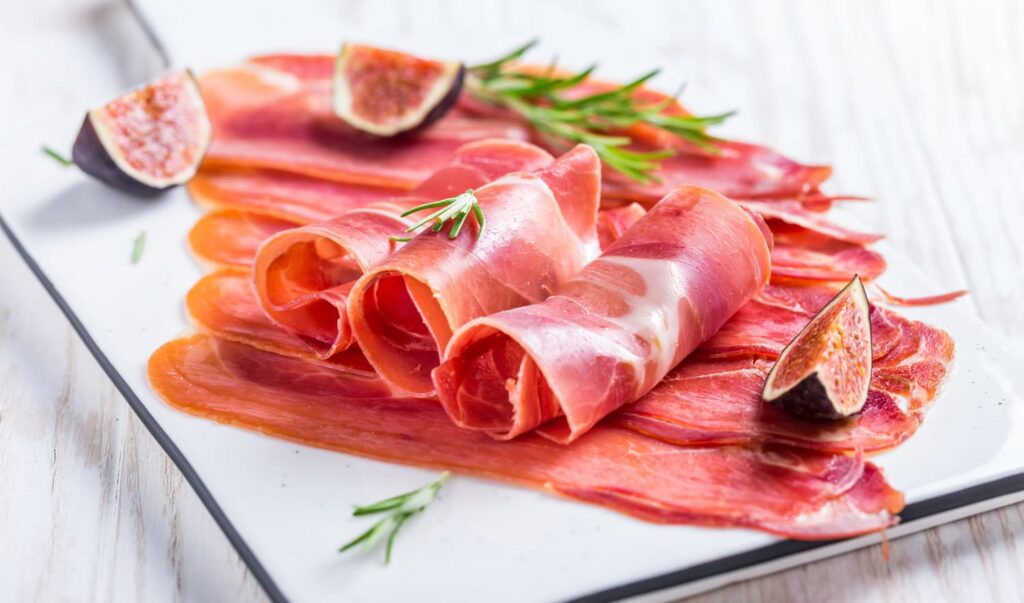
Jamón is incredibly versatile, and there are endless ways to enjoy this Spanish delicacy. The most common way is to serve it thinly sliced, allowing the rich flavors to shine through. When slicing Jamón, it’s essential to use a sharp knife and take your time to achieve paper-thin slices, as this helps to release the ham’s aroma and texture.

Some popular ways to enjoy Jamón include:

  • Tapa-style: Served as small slices or chunks alongside olives, bread, and wine in a classic Spanish tapa.
  • With bread: A simple yet delicious way to enjoy Jamón is by placing slices on top of toasted baguette or rustic bread, often drizzled with olive oil.
  • As part of a sandwich: Jamón is often used in bocadillos (Spanish sandwiches), where it pairs well with a variety of cheeses, tomatoes, and even roasted peppers.
  • In gourmet dishes: Chefs often use Jamón as an ingredient in salads, pasta dishes, or even as a topping for pizza.

The Cultural Significance of Jamón

Jamón is not just food—it’s a cornerstone of Spanish culture. From the countryside to the bustling streets of Madrid, Jamón plays a central role in Spanish life. It’s a food that brings people together, whether shared in a family meal, celebrated at a fiesta, or enjoyed with a glass of wine at a local tavern.

Beyond its culinary role, Jamón is often seen as a symbol of quality and tradition, with families passing down recipes and techniques for curing ham across generations. It also holds cultural significance in the Spanish economy, where production and exportation of Jamón—especially the prized Jamón Ibérico—serve as major drivers of the nation’s agricultural and culinary industries.

Conclusion

Jamón is a true Spanish masterpiece, with its rich history, cultural significance, and unique production methods. Whether you’re savoring a plate of Jamón Ibérico de Bellota or enjoying a simple slice of Jamón Serrano, this iconic cured ham offers a window into Spain’s culinary heritage. From its meticulous production process to the vibrant culture surrounding it, Jamón is far more than just a food—it’s a celebration of Spain’s artistry, craftsmanship, and love for fine ingredients.

Continue Reading

Trending

Copyright © 2017 Zox News Theme. Theme by MVP Themes, powered by WordPress.