
Entertainment
Wachappe: A Deep Dive into the Evolution of a Global Trend

Published
5 months agoon
By
Rock Seo
In recent years, a new term Wachappe has surfaced that has captured the attention of a wide array of enthusiasts, creators, and cultural observers across the globe: Wachappe. While the name might sound unfamiliar at first, it is quickly becoming associated with a new, viral cultural phenomenon that combines various aspects of fashion, lifestyle, and social media trends. This article takes a closer look at Wach appe, its origins, evolution, and its growing impact in the world of digital and real-world culture.
What is Wachappe?
At its core, Wachappe is an amalgamation of two elements: “Wacha” and “Apparel.” The term refers to a style or approach to fashion that is heavily influenced by digital platforms, social media, and modern internet subcultures. The word itself suggests a blend of visual aesthetics that incorporate both streetwear and more high-concept fashion. However, Wachappe transcends being just a clothing style—it represents a cultural mindset, where personal expression through fashion is as much about digital engagement and self-presentation as it is about the physical garments one wears.
This term initially emerged from a small online community, likely originating on platforms like TikTok and Instagram, where fashion influencers and content creators began experimenting with distinct, bold, and often unconventional looks. They began pairing garments and accessories that seemed to defy traditional fashion rules, mixing high fashion with thrifted, vintage pieces and blending cutting-edge trends with nostalgia-driven aesthetics. What stood out was the focus not only on the outfit but on how the outfit was presented online—how it was photographed, edited, and shared.
The Origins of Wachappe
Though the exact origin of the term Wach appe is difficult to trace, it appears to have emerged in early 2020s subcultures that were gaining popularity on platforms like TikTok, Reddit, and Twitter. The rise of micro-communities within these platforms allowed for niche trends to grow and spread rapidly, and Wachappe became one of the latest to gain traction. It combined the do-it-yourself (DIY) ethos of internet culture with the global appeal of streetwear, creating a blend of the underground and mainstream.
What sets Wachappe apart from other fashion trends, like normcore or athleisure, is its emphasis on personal identity and how fashion choices can signal membership in a specific digital tribe or subculture. In a world where online personas are becoming as important—if not more important—than real-world identities, Wachappe offers a way for individuals to express themselves authentically in an increasingly digital world.
The Wachappe Aesthetic
The Wachappe aesthetic is hard to pin down because it is intentionally fluid and eclectic, but a few key characteristics help define it. At its most basic level, Wachappe involves the juxtaposition of the old and the new, the expensive and the cheap, the polished and the raw. Here are some elements that commonly define the Wach appe look:
1. Bold, Experimental Color Palettes
Wachappe style is characterized by its bold use of colors. Outfits that are loud, playful, and experimental are common within the Wachappe community. Vibrant tones, clashing hues, and neon accents are often used to create a sense of high energy and individuality.
2. Vintage and Thrifted Pieces
A large part of the Wachappe look involves a mix of vintage clothing, often found in thrift stores or online marketplaces. These pieces are reimagined and recontextualized, combining them with modern garments to create something new. This practice not only highlights sustainable fashion practices but also introduces a sense of nostalgia—whether it’s ’90s streetwear or ’80s power suits.
3. Streetwear Influence
Streetwear remains a significant influence on Wachappe. Hoodies, oversized jackets, sneakers, and caps are staples, but they are frequently paired with more elegant or unexpected items. This fusion of styles makes the look unpredictable and fresh.
4. DIY Customization
Many people who follow Wachappe fashion trends take a hands-on approach, customizing or altering clothing to make it uniquely their own. Whether it’s adding patches, paint, or embroidery to a jacket or reworking a pair of jeans into something avant-garde, DIY is at the heart of the Wach appe ethos.
5. Technological Integration
Wachappe is more than just a fashion style—it’s a way of life that extends into digital realms. Many who embrace this aesthetic also integrate technology into their looks, whether through augmented reality (AR) filters, digital fashion, or creating online content that showcases the intersection of fashion and digital innovation.
The Role of Social Media in Propelling Wachappe
As with most modern fashion movements, social media plays a crucial role in the rise of Wachappe. Platforms like TikTok, Instagram, and Pinterest act as virtual runways where individuals can post their looks, garner feedback, and connect with others who share similar tastes. In fact, the viral nature of TikTok challenges and “Outfit of the Day” (OOTD) posts has accelerated the spread of this new fashion trend.
The visual nature of social media means that those who embrace Wach appe often curate their looks specifically for the camera. The angles, lighting, and digital enhancements used in photoshoots have become almost as important as the clothes themselves. This has given rise to a new kind of fashion—one that is less concerned with what’s on the runway and more focused on how fashion can be presented in a visually stimulating way for online audiences.
Influencers and creators within the Wachappe subculture often use their online platforms to push boundaries, offering fresh takes on popular fashion trends and integrating elements of humor, self-awareness, and irony into their wardrobes. The global appeal of these platforms means that Wachappe is not confined to a single city or country but has spread rapidly across various cultures and demographics.
Wachappe’s Cultural Impact
Wachappe represents a break from the traditional fashion industry’s focus on exclusivity and top-down trends. Instead, it leans into the democratization of fashion, where anyone with an internet connection can share their personal style and become an influencer. This trend highlights the growing power of self-expression and individualism in an increasingly interconnected world.
Additionally, the rise of Wachappe reflects a larger cultural shift toward sustainability and rethinking consumerism. By focusing on thrifted and vintage items, this style embraces the notion of “fashion as art,” where personal creativity takes precedence over mass-market trends. The embrace of reusing and recycling clothing also aligns with the broader movement toward ethical fashion.
Finally, Wachappe is emblematic of how digital platforms shape modern identities. Fashion has always been a tool for self-expression, but with the rise of social media, that expression has become more global, instantaneous, and hyper-visible. Wearing a Wach appe-inspired outfit is not just about looking good in real life; it’s about curating a digital persona, one that can be shared and appreciated by people around the world.
Conclusion: The Future of Wachappe
Wachappe is not just a trend—it’s a statement. It’s a recognition of the evolving role of digital culture in shaping how we think about fashion, self-expression, and identity. As the world continues to become more interconnected through technology, it’s likely that movements like Wachappe will grow even more influential, creating space for new forms of creativity, individuality, and global collaboration.
Whether or not Wachappe remains a permanent fixture in the fashion world, it has undoubtedly left its mark. By combining elements of streetwear, digital culture, and DIY fashion, it has proven that the future of style is as much about how we present ourselves online as it is about what we wear in the real world.
You may like
Entertainment
Gessolini: Exploring Techniques and Creative Possibilities
Published
3 months agoon
December 27, 2025By
Rock Seo
Gessolini is a unique, innovative medium that blends the rich traditions of Italian art with modern creativity. While it’s not as widely recognized as other artistic methods, its versatility offers artists a wide range of possibilities, from traditional painting to experimental and mixed media works. This article explores the techniques of Gessolini, its historical background, and how contemporary artists are using it to push the boundaries of visual art.
What is Gessolini?
Gessolini is a term that refers to a specialized form of plaster used in painting and sculpture. The word itself is derived from the Italian word “gesso,” meaning “plaster” or “chalk.” Traditionally, gesso was used as a ground or primer for painting on wood panels, a common practice in the Renaissance. Ges solini, however, is a refined variation of gesso, with a smoother texture and the ability to blend more seamlessly into different mediums. It’s commonly used to create a textured surface for artworks, especially in mixed media projects.
In many ways, Gessolini bridges the gap between the tactile world of sculpture and the visual world of painting. By incorporating plaster into an artwork, artists can create both three-dimensional elements and rich, textural backgrounds, making it a versatile tool for artistic expression.
Traditional Techniques Using Gessolini
Historically, Gessolini and its variants have been used in the process of fresco painting, where pigments are applied to wet plaster. This method creates vivid, long-lasting colors as the plaster absorbs the paint. The process is both challenging and rewarding, as the artist must work quickly before the plaster dries.
In addition to frescoes, Gessolini has been traditionally applied to wooden panels to prepare surfaces for oil and tempera paintings. The smooth texture created by Ges solini makes it an ideal surface for detailed brushwork, and it allows for better paint adhesion.
Another traditional use of Gessolini is in the making of sculptures. When mixed with pigments, Gessolini can be molded into various shapes and forms, allowing artists to explore the medium in both two and three dimensions. The smoothness of the plaster makes it easy to carve, and the material is often used for detailing intricate designs.
Contemporary Techniques with Gessolini
In modern art, Gessolini has found a new life as artists continue to experiment with mixed media techniques. By combining Ges solini with acrylics, oils, or even pastels, contemporary artists can create layered, textured surfaces that provide depth and visual interest.
1. Textural Effects
Artists are increasingly incorporating Ges solini to create highly textured works. By applying thick layers of plaster, followed by sanding or carving, they create interesting reliefs. This technique allows artists to play with the play of light and shadow on their artwork, giving it a dynamic quality. These textures can range from rough and dramatic to smooth and soft, depending on the artist’s preferences.
2. Layering with Pigments
Gessolini can be used not only as a ground layer but also as a medium that incorporates pigments directly into the plaster. Artists who are focused on abstraction often use colored Ges solini to build up layers and create rich, vibrant surfaces. The pigments used in the plaster mixture provide depth, creating a sense of complexity that can only be achieved with the unique properties of Gessolini.
3. Mixed Media Art
In the world of mixed media, Gessolini is often used as a base for other materials, such as fabric, paper, and metal. Artists might apply the Ges solini to a canvas or board, then incorporate these other elements to create multi-dimensional works of art. The flexibility of the material allows artists to mix different textures and create innovative, boundary-pushing compositions.
4. Sculptural Effects
While Gessolini’s origins are tied to sculpture, today’s artists often combine it with other materials like wood, metal, or glass to create modern sculptures. Ges solini is used to create base forms, which can then be painted, stained, or carved. Its smooth surface allows for intricate detailing, making it ideal for both abstract and figurative works.
Gessolini in the Digital Age
With the rise of digital media, many artists are experimenting with the juxtaposition of traditional techniques, like Gessolini, alongside digital techniques. Digital artists might use photographs of Gessolini surfaces or textures and manipulate them in programs like Photoshop or Procreate to create digital paintings that echo the tactile qualities of traditional media. This fusion of old and new techniques expands the possibilities of Gessolini, allowing artists to explore its texture in a more fluid, virtual space.
Some contemporary artists also use Ges solini in 3D printing, creating textures in digital form that can then be applied to physical objects. This hybrid approach combines the tactile world of sculpture with the cutting-edge technology of the digital age, giving rise to exciting new creative possibilities.
Why Gessolini?
The appeal of Gessolini lies in its ability to combine tradition with innovation. The material offers a tangible connection to the rich history of Italian art while also providing a platform for experimentation. Artists are drawn to its versatility, as it can be used in so many different ways, from creating smooth surfaces to building complex, textured compositions. Whether applied in thick layers or used as a primer for other paints, Gessolini offers endless creative potential.
Moreover, the material allows for mistakes and revisions, which is crucial for artists who like to work organically. Whether in painting or sculpture, Ges solini offers artists the ability to layer and reshape their work as they go, making it a forgiving medium.
Conclusion
Gessolini may not be as well-known as other artistic mediums, but it holds a special place in the world of contemporary art. Whether used in traditional fresco techniques, layered with vibrant pigments, or combined with mixed media, it gives artists the opportunity to explore texture, form, and depth in exciting new ways. The blend of tradition and innovation that Ges solini offers ensures that it will remain a valuable tool for artists seeking to push the boundaries of their creativity for years to come.
Entertainment
Iscariot: The Enigmatic Figure of Betrayal and Redemption
Published
3 months agoon
December 18, 2025By
Rock Seo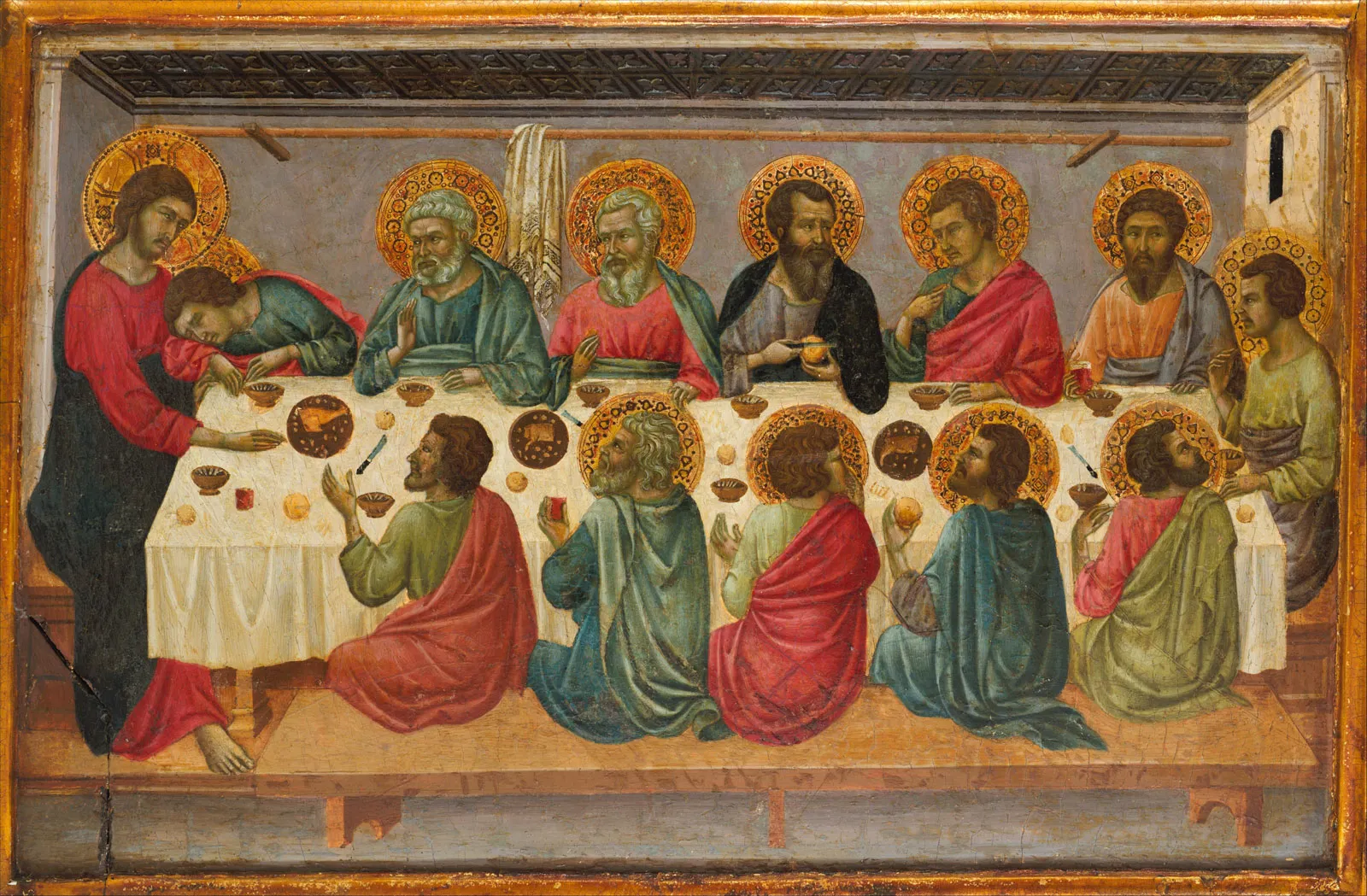
The name Iscariot is forever linked to one of the most infamous acts in history—Judas Iscariot’s betrayal of Jesus Christ. Over the millennia, the figure of Judas has come to symbolize treachery and the darker side of human nature. However, the complexity surrounding his life, motivations, and the aftermath of his actions invites deeper exploration. This article will explore the figure of Iscariot from historical, theological, and literary perspectives, attempting to answer the questions that linger about his life and the legacy of betrayal.
The Historical and Biblical Context of Judas Iscariot
Judas Iscariot, a member of the twelve apostles, is primarily known for his role in the betrayal of Jesus Christ, which led to the crucifixion. In the New Testament Gospels (Matthew, Mark, Luke, and John), Judas is depicted as the one who handed Jesus over to the religious authorities in exchange for thirty pieces of silver. This act of betrayal is one of the pivotal events in Christian theology, as it set the stage for the Passion narrative, which culminates in the death and resurrection of Jesus.
The name “Iscariot” itself is thought to be derived from the Hebrew term ishqeriyot (אִישׁ-כְּרִיוֹת), which can be translated to “man of Kerioth,” referring to a town in Judea. This suggests that Judas may have been the only one of the twelve apostles who was not from Galilee, where the majority of Jesus’ followers originated. His origin may have further influenced the Gospel writers’ portrayal of him as an outsider, adding a layer of suspicion and intrigue to his character.
In the biblical narrative, Judas’s betrayal is both a fulfillment of prophecy and an act of free will. In Matthew 26:24, Jesus declares that “the Son of Man will go just as it is written about him. But woe to that man who betrays the Son of Man! It would be better for him if he had not been born.” This prophecy links Judas’s actions to the divine plan, suggesting that his betrayal was necessary for the fulfillment of Jesus’ mission, which includes his crucifixion and ultimate resurrection.
While the Gospels do not provide a comprehensive backstory for Judas, they do offer insights into his character. In the Gospel of John, Judas is referred to as a thief and someone who was entrusted with the group’s finances. This negative characterization, along with his later decision to betray Jesus, paints Judas as a morally flawed individual.
The Motives Behind Judas’s Betrayal
Over the centuries, scholars, theologians, and artists have sought to explain why Judas Iscariot would have chosen to betray Jesus. The Gospels themselves offer limited explanations, leaving many of his motives open to interpretation. Several theories have emerged over time, some of which align with traditional Christian theology, while others take a more psychological or philosophical approach.
- Greed: One of the most straightforward explanations for Judas’s betrayal is financial gain. The Gospels mention that Judas received thirty pieces of silver in exchange for handing Jesus over to the authorities. In this interpretation, Judas’s betrayal is driven by his desire for money, and his greed is seen as the catalyst for his decision.
- Disillusionment: Another common interpretation is that Judas became disillusioned with Jesus’ mission. Some scholars believe that Judas expected a more political or military Messiah—one who would overthrow Roman rule and restore Israel’s independence. When it became clear that Jesus’ mission was spiritual and not revolutionary in the expected sense, Judas may have become frustrated and betrayed Jesus to force his hand or to distance himself from a leader who did not meet his expectations.
- Divine Plan: In Christian theology, Judas’s betrayal is often viewed as part of a divine plan. From this perspective, Judas’s actions were predestined to fulfill the prophecy of the Messiah’s suffering and death. According to this view, Judas’s free will to betray Jesus was intertwined with God’s greater plan for redemption, and his actions, though sinful, were necessary for salvation to occur. This perspective raises profound questions about free will, predestination, and the nature of good and evil.
- Satanic Influence: The Gospel of John suggests that “Satan entered into” Judas before he went to the chief priests to make his bargain (John 13:27). This has led some to suggest that Judas’s betrayal was not just a personal failure, but the result of a spiritual struggle or demonic influence. This interpretation emphasizes the cosmic battle between good and evil and frames Judas as a pawn in a larger supernatural conflict.
- Psychological Motives: More modern interpretations of Judas’s motives delve into psychology, proposing that Judas may have suffered from feelings of inadequacy, jealousy, or even a form of self-loathing. His role as the group’s treasurer could have made him feel more entitled, leading to resentment when others (especially Peter and John) seemed to be closer to Jesus. This could have made him vulnerable to temptation and eventually driven him to betrayal.
The Legacy of Iscariot: A Symbol of Betrayal
Judas Iscariot’s legacy has endured as a symbol of betrayal. For centuries, his name has been synonymous with treachery, and his actions have become a cautionary tale in both religious and secular contexts. In Christian theology, Judas’s betrayal is often seen as the ultimate act of treason—turning against a friend and teacher for personal gain. His story has been a central subject of theological debate, artistic representation, and literary exploration.
In literature and art, Judas is frequently depicted as a tragic figure—one who falls from grace because of his flaws. In Dante Alighieri’s Divine Comedy, Judas is placed in the lowest level of Hell, frozen in a lake of ice, his soul forever condemned for his betrayal. This portrayal highlights the severity of his actions in the eyes of medieval Christianity.
Yet, not all depictions of Judas are negative. In some modern works, Judas is portrayed as a tragic, misunderstood figure—someone who is both a victim of circumstance and a perpetrator of evil. The 1970s rock musical Jesus Christ Superstar, for example, presents Judas as a conflicted figure who feels betrayed by Jesus’s decisions and is torn between loyalty and disillusionment. In such portrayals, Judas is given a more human dimension, inviting audiences to wrestle with the complexities of his character.
Theological Reflection: Can Judas Be Redeemed?
The question of whether Judas can be redeemed has been a source of theological debate for centuries. In traditional Christian doctrine, Judas’s act of betrayal is seen as unforgivable. In Matthew 27:3-5, Judas, after realizing the enormity of his betrayal, attempts to return the silver and expresses remorse, but is unable to undo his actions. His subsequent suicide is often seen as a final act of despair, marking the complete separation from divine grace.
However, some theologians have argued that Judas’s fate is not as clear-cut. They point out that Jesus’s message was one of forgiveness, even for the most egregious sins. The possibility of redemption for Judas raises profound theological questions about the nature of sin, repentance, and forgiveness. Could Judas have been forgiven if he had sought redemption, or was his role in the divine plan so significant that his actions were beyond reconciliation?
Conclusion: The Enduring Mystery of Judas Iscariot
Judas Iscariot remains one of the most enigmatic figures in history, and his betrayal of Jesus Christ continues to provoke deep theological reflection, literary exploration, and philosophical inquiry. His actions have had a profound impact on the Christian tradition, shaping concepts of sin, redemption, and divine justice. While many view Judas as the embodiment of treachery, others see him as a tragic figure who was a part of God’s greater plan for salvation. In the end, the mystery of Judas Iscariot serves as a reminder of the complexities of human nature, the struggle between good and evil, and the possibility of grace—even for the most unlikely of individuals.
Entertainment
Discovering هنتاوي.com: Your Ultimate Arabic Source for Anime News and Reviews

Published
4 months agoon
November 25, 2025By
Julliet
Welcome to the vibrant world of هنتاوي.com, where anime enthusiasts and Arabic speakers unite! If you’re passionate about all things anime—whether it’s the latest series that has everyone buzzing or in-depth reviews that dive deep into your favorite characters—you’ve just stumbled upon your new go-to source. At هنتاوي.com, we bring you a treasure trove of news, insights, and recommendations tailored specifically for the Arab community. Get ready to explore captivating stories, exciting updates from the anime universe, and exclusive content that celebrates this dynamic culture like never before. Join us on this epic journey as we unlock everything هنتاوي.com has to offer—the ultimate destination for every anime fan!
Introduction to هنتاوي.com and its significance as an Arabic source for anime news and reviews
Welcome to the exciting world of هنتاوي.com, where anime enthusiasts find their haven! If you’re an Arabic speaker with a passion for anime, this website is your ultimate destination. It serves as a vibrant hub for news, reviews, and discussions surrounding your favorite shows. With its unique focus on providing content tailored specifically for Arabic audiences, هنتاوي.com bridges gaps in accessibility and cultural relevance. Whether you’re searching for the latest updates on popular series or diving deep into character analyses, this platform has it all. Let’s explore what makes هنتاوي.com stand out in the ever-evolving landscape of anime!
History of anime in the Arab world and the growth of its fanbase
Anime first made its appearance in the Arab world during the late 1970s and early ’80s. At that time, few shows were dubbed into Arabic. Popular titles like “Captain Majid” captivated young audiences.
As satellite TV spread in the ’90s, more anime reached viewers across the region. Shows such as “Dragon Ball Z” and “Naruto” gained immense popularity. This influx sparked curiosity about Japanese culture among fans.
The internet further accelerated this growth—online communities formed around shared interests, allowing fans to discuss their favorite series and characters actively. Social media platforms became vibrant spaces for sharing art, fan theories, and recommendations.
Today’s anime community is diverse and passionate. Fans engage with each other through conventions, cosplay events, and online forums dedicated to discussing beloved series. The evolution of this fandom reflects a broader acceptance of global pop culture within Arab society.
Unique features of هنتاوي.com, including its focus on Arabic translations and cultural context
هنتاوي.com stands out in the crowded world of anime websites by emphasizing Arabic translations. This commitment ensures that fans can enjoy their favorite series without missing out on nuances and cultural references.
The site goes beyond mere translation. It offers explanations about cultural context, enriching viewers’ understanding of each episode. For many, this depth adds layers to the viewing experience that are often overlooked.
Another unique feature is its user-friendly layout designed specifically for Arabic-speaking audiences. The intuitive navigation helps users find what they’re looking for quickly.
Additionally, هنتاوي.com embraces local themes within anime discussions. By highlighting how certain storylines resonate with Arab culture, it fosters a deeper connection between viewers and content.
Such thoughtful features make هنتاوي.com more than just a source for news; it’s a vibrant community hub that celebrates the intersection of anime and Arabic culture.
You may also like : Mantado
Coverage of popular anime series and updates on new releases
At هنتاوي.com, anime enthusiasts can find extensive coverage of their favorite series. The website dives deep into popular titles like “Attack on Titan,” “Demon Slayer,” and “Jujutsu Kaisen.” Each article brings fresh insights and highlights the latest developments in ongoing story arcs.
Furthermore, هنتاوي.com keeps its readers informed about new releases. Subscribers are updated with precise release dates and streaming options tailored for Arabic viewers. This ensures fans won’t miss a single episode of their must-watch shows.
The site also explores lesser-known gems that deserve attention, giving them a platform to shine alongside mainstream hits. With every update, هنتاوي.com enriches the viewing experience by providing context about plot twists and character evolution.
For dedicated followers craving more than just surface-level information, this resource is invaluable in navigating the vast world of anime.
In-depth reviews of episodes, characters, and themes in both classic and current anime shows
At هنتاوي.com, anime enthusiasts will find detailed reviews that dive deep into episodes, characters, and themes. Each review is crafted with care, offering insights that resonate with both casual viewers and die-hard fans.
The analysis of character arcs provides a rich understanding of their motivations. Readers can explore the growth of protagonists as they navigate conflict and relationships. This depth adds layers to the viewing experience.
Themes are also dissected thoughtfully. Whether it’s exploring friendship in “Naruto” or existentialism in “Attack on Titan,” these explorations allow fans to connect more profoundly with the stories.
Classic series receive just as much attention as newer titles. The contrast between different eras reveals how animation styles and storytelling have evolved over time.
With each review, هنتاوي.com fosters a deeper appreciation for anime’s artistry while helping viewers discover hidden gems worth watching next.
Streaming guides for Arabic-speaking viewers, with recommendations for legal sources
Navigating the world of anime streaming can be challenging for Arabic-speaking fans. Fortunately, هنتاوي.com has curated a comprehensive guide to help viewers find legal sources.
Platforms like Crunchyroll and Funimation offer a range of subtitled and dubbed options tailored for various tastes. These services ensure that you enjoy high-quality content while supporting the creators behind your favorite series.
For those who prefer local flavor, platforms such as Shahid and OSN provide an excellent selection of popular titles in Arabic. They often feature exclusive shows that cater specifically to regional audiences.
Additionally, هنتاوي.com highlights user-friendly tips on accessing these platforms safely. Whether you’re using a laptop or mobile device, finding your next binge-worthy title is just a click away.
Community engagement through forums, comments, and social media platforms
The community surrounding هنتاوي.com thrives on active engagement. Fans connect through forums where they share thoughts and insights about their favorite anime series. This space fosters discussions that dive deep into character development, plot twists, and emotional moments.
Comment sections are alive with excitement. Readers often leave their opinions right after reading a review or news article. This interaction creates a dynamic dialogue among fans from various backgrounds.
Social media platforms amplify this sense of belonging. Twitter threads buzz with real-time updates on new releases or trending shows, while Instagram showcases fan art and memes inspired by beloved characters.
Through these channels, هنتاوي.com cultivates a vibrant ecosystem for anime enthusiasts to express themselves freely. It’s not just about consuming content; it’s about building connections within the Arab anime community and celebrating shared passions together.
Impact of هنتاوي.com on the Arab anime community and its role in promoting diversity in the industry
هنتاوي.com has become a cornerstone for the Arab anime community. Its influence stretches beyond mere news and reviews; it fosters a sense of belonging among fans. By providing localized content, هنتاوي.com bridges cultural gaps that often exist in global media.
The website champions diverse voices within the industry, highlighting lesser-known titles alongside mainstream hits. This approach encourages exploration and appreciation of various animation styles and narratives from different cultures.
Moreover, هنتاوي.com engages with its audience through interactive forums and social media platforms. Fans share their insights, fostering lively discussions that enrich understanding of themes and characters.
As the platform continues to grow, it plays a pivotal role in shaping perceptions about anime in the Arab world. It promotes inclusivity by embracing diversity in storytelling while encouraging creators to explore unique perspectives within their work.
Future Plans of هنتاوي.com
The future of هنتاوي.com looks promising and exciting for fans across the Arab world. As anime continues to gain popularity, this platform aims to expand its reach even further. Upcoming features will include more interactive content, such as video reviews and live discussions about trending series.
Additionally, هنتاوي.com plans to collaborate with local creators and artists to enrich its offerings. By fostering a creative community around anime culture, it hopes to connect fans in new ways.
With ongoing updates on the latest releases and deeper exploration into various genres, users can expect an ever-evolving experience tailored just for them. The commitment to providing quality Arabic content remains at the forefront of their mission. As they grow, so does their impact on promoting diverse voices within the industry.
This journey promises not only a wealth of information but also a vibrant community where every anime enthusiast feels welcome. Keep an eye on هنتاوي.com as it transforms how Arabic-speaking audiences engage with beloved shows both now and in years to come.
Trending
-

 Entertainment4 months ago
Discovering هنتاوي.com: Your Ultimate Arabic Source for Anime News and Reviews
-

 News5 months ago
Kirby Dedo Guide: All You Need to Know About Character Abilities and Combos
-

 Entertainment5 months ago
Axurbain: The Unsung World-Builder of the Wandering Inn
-

 Tech5 months ago
Trucofax Revolutionizes In-Game Customization
-
 Local Information5 months ago
Sodiceram Explained: Innovative Designs and Eco-Friendly Practices
-

 Local Information5 months ago
SoSoActive: Your Go-To Source for Breaking News in Social and Mobile Music
-

 News5 months ago
Cosjfxhr Explained: Transforming Security Protocols in Digital Communication
-

 Health5 months ago
Understanding Attrition: Causes, Impacts, and Solutions