
Entertainment
Axurbain: The Unsung World-Builder of the Wandering Inn

Published
11 months agoon
By
Julliet
In the vast and ever-expanding universe of web serials, few works have achieved the critical and popular acclaim of Pirateaba’s The Wandering Inn. It’s a world teeming with unique characters, complex political landscapes, and a deep, systematic magic. But behind every great fantasy world, there are often in-world scholars and authors who provide the foundation for its lore. In the world of Innworld, one of the most pivotal of these figures is Axurbain the Genie.
This article delves into the legend of Axurbain, exploring his contributions and why he is considered one of the most important background figures in the series.
Who Was Axurbain?
Axurbain was a [Genie]—a race of powerful, magical beings in Innworld—who lived centuries before the main events of The Wandering Inn. Unlike the classic “wish-granting” genies of Earth’s folklore, Genies in Innworld are renowned for their immense intellect, mastery of magic, and, most importantly, their scholarly pursuits.
Axurbain was not a warrior or a conqueror; he was an academic, a researcher, and an author. His life’s work was dedicated to a single, monumental task: codifying magic.
The Great Work: Systematizing the Arcane
Before Axurbain, magic in Innworld was a wild, untamed, and often perilous force. Spells were passed down through oral tradition, in scattered grimoires, or discovered through dangerous trial and error. There was no standardized understanding of mana, spell formation, or the underlying principles that governed the arcane.
Axurbain changed everything. He is credited with:
- Establishing the Tier System: He created the foundational tier system for spells—from Tier 1 to Tier 6 and beyond. This provided a universal language for mages to understand the complexity and power of any given spell.
- Defining Spell Schools: He helped classify magic into distinct schools (like alteration, evocation, necromancy, etc.), creating a structured framework for learning and specialization.
- Authoring Foundational Texts: His magnum opus was a series of books that became the bedrock of magical education across the entire continent, and perhaps the world. The most famous of these is simply known as “Axurbain’s Magical Theory.”
For any aspiring [Mage] in Innworld, from the Wistram Academy to the magical institutes of Chandrar, Axurbain’s works are the essential, non-negotiable starting point. He is, in essence, the Aristotle of Innworld’s magic—the philosopher who provided the vocabulary and the rules for all who followed.
The Legacy and the Irony
Axurbain’s legacy is immense. He democratized magical knowledge to an extent, making it safer and more accessible. He laid the groundwork for all modern magical institutions. Without him, the unified study of magic as we see it in The Wandering Inn would not exist.
However, there is a profound irony to his story. By systematizing magic, Axurbain may have also limited it. His framework became so dominant that it potentially stifled alternative, older, or more creative forms of magic. The system he created is a box, and while it provides safety and understanding, some characters in the story wonder what was lost when magic was forced to conform to “Axurbain’s Rules.”
Furthermore, his work elevated the [Mage] class to new heights, indirectly contributing to the class-based societal structures that define and often plague Innworld.
Why Axurbain Matters to Readers
For readers of The Wandering Inn, Axurbain is a brilliant example of Pirateaba’s deep world-building. He is not a character who appears in the narrative, but his presence is felt everywhere.
- He Provides Verisimilitude: A living, breathing world has a history and foundational thinkers. Axurbain gives Innworld a sense of scholarly depth and historical progression that many fantasy settings lack.
- He Explains the Rules: He is the in-world reason why the magic system is so well-defined and logical to the reader.
- He Sparks Philosophical Debate: His story raises questions about the nature of knowledge itself. Is it better to have a wild, dangerous, but potentially limitless understanding of a force? Or is a safe, structured, but confined system the superior path?
Conclusion
Axurbain the Genie is more than just a name in a fictional history book. He is the architect of modern magic in one of the web’s most beloved fantasy worlds. He represents the power of intellect over brute force and shows how a single dedicated individual can shape the course of civilization for millennia. The next time a character in The Wandering Inn casts a neatly defined [Fireball] or debates magical theory, they have a long-departed Genie scholar to thank for the very language they are using. In the grand tapestry of Innworld, Axurbain’s thread is one of the strongest and most enduring.
Entertainment
Jay Z Caps London Run With Two Sold Out Tottenham Shows
Published
5 days agoon
September 12, 2026By
Julliet
More than one hundred twenty thousand music fans packed into North London over a single weekend to witness music history. Stadium concerts of this scale rarely happen for solo rap artists in Europe. Jay Z proved once again that his classic music catalog holds unmatched global appeal. The legendary performer closed out his London stay with two sold out concerts at Tottenham Hotspur Stadium.
Seeing a music icon command a massive venue gives fans a memory that lasts a lifetime. These two performances gave British audiences a chance to experience thirty years of hit records in one place. Fans traveled from across Europe, North America, and the United Kingdom to be part of the crowd. The weekend proved that great songs keep their power regardless of passing trends.
Music lovers gain great insight by studying how top tier artists run massive international events. This article covers everything that happened during these historic London dates. You will learn about the setlist choices, stage visuals, sound setup, and crowd reactions. Read on to discover how these sold out stadium concerts set a new standard for live hip hop.
The Massive Scale of Tottenham Hotspur Stadium
Tottenham Hotspur Stadium stands as one of the most modern sports and entertainment venues in the world. Built primarily for English Premier League football, the venue holds over sixty thousand spectators for major music concerts. Jay Z filled every single seat across both nights with ease. The massive stage sat at the south end of the pitch, giving attendees clear sightlines from every angle.
Stadium concerts require massive audio systems so that every fan hears crisp sound. Sound engineers placed delay towers across the grass to push clean vocal audio to the top rows. The venue features steep seating bowls that keep fans feeling close to the performance floor. This unique stadium shape trapped the crowd noise and created a thunderous atmosphere from start to finish.
Ticket demand for both London dates reached record levels months before the shows took place. Secondary ticket markets saw prices climb as fans searched for last minute admission. The venue staff managed the giant crowd efficiently with digital ticketing gates and cashless concessions. Every logistical detail helped create a smooth experience for thousands of visitors.
A Setlist Built on Three Decades of Hits
Jay Z performed more than thirty songs during each two hour performance. His song selection spanned his entire career, beginning with material from his debut album in 1996. Classic tracks like Hard Knock Life and Big Pimpin got the entire stadium jumping in unison. The crowd sang along with every lyric, filling the night air with familiar hooks.
The pacing of the concert showed a master at work. Jay Z balanced loud anthems with slower, introspective songs from his critically acclaimed albums. Tracks from The Blueprint era received some of the loudest cheers of the entire evening. The transition between songs felt smooth and kept the energy high without unnecessary pauses.
Every era of his music career received proper respect during the set. Modern hits like Empire State of Mind brought massive sing along moments that lit up the stadium. Fans lifted their phones into the air, creating a sea of lights across the stadium bowl. The performance proved that his music connects with both older listeners and teenage fans.
Surprise Guests and Live Musical Arrangements
Live instruments brought extra punch to every drum beat and bass line during the shows. A full backing band played alongside Jay Z, featuring live horns, keyboards, and heavy percussion. The live arrangements gave classic sample based records a fresh, dynamic feel. This musical approach elevated the performance far beyond a standard rap concert with just a DJ.
Rumors about surprise guest performers circulated on social media leading up to opening night. Jay Z treated the London crowd by inviting famous collaborators onto the stage for special duets. When guest performers walked out, the stadium erupted in cheers that could be heard blocks away. These joint performances added unique value that ticket buyers could not get anywhere else.
UK music stars also attended the shows to show respect to an artist who influenced their careers. Seeing British rap stars standing alongside American rap royalty highlighted the deep connection between both music scenes. Jay Z took time between songs to acknowledge the talent coming out of London today. This gesture showed genuine appreciation for the local music community.
Stage Design and Visual Storytelling
The visual presentation for the London shows relied on clean lines and massive video screens. A giant high definition screen stretched behind the stage, displaying artistic black and white footage and vibrant graphic designs. Lighting rigs moved up and down throughout the night to match the mood of each track. The visual team avoided cheap party tricks and focused on tasteful, elegant imagery.
Pyrotechnics and laser effects were used with restraint to make big musical drops feel special. Giant columns of smoke and fire shot into the air during the climax of energetic tracks. These effects added dramatic punctuation to the heavy bass notes without distracting from the music. The entire visual production looked polished and cinematic.
Camera crews captured live close up shots of Jay Z as he moved across the wide stage. Giant side monitors allowed fans in the upper tier seats to see his facial expressions clearly. His confident stage presence held the attention of tens of thousands of people without needing backup dancers. The focus remained entirely on the lyrics and the music.
The Special Connection Between Jay Z and London
Jay Z has shared a special relationship with London music fans for more than twenty five years. Early in his career, he visited London clubs and radio stations to build his international fanbase. British listeners welcomed his clever wordplay and gritty storytelling from the very start. That early support laid the groundwork for the massive stadium sellouts seen today.
His previous headline performance at the Glastonbury Festival in 2008 remains a legendary moment in British music history. He took the stage that night with a guitar and proved that hip hop belongs on the biggest festival stages. London audiences have always rewarded that boldness with loyal ticket sales. The two sold out shows at Tottenham Hotspur Stadium served as a celebration of that long partnership.
During the London shows, Jay Z spoke directly to the audience about his memories in the city. He recalled performing in small venues across London during the late nineteen nineties. Comparing those early club dates to a packed sixty thousand seat stadium showed how far his career has advanced. The crowd cheered loudly in appreciation of his long road to success.
Economic and Cultural Value for the Local Community
Hosting two major concerts provides a big economic lift to the surrounding North London area. Local restaurants, pubs, and food shops saw heavy customer traffic before and after the event. Hotels across London booked thousands of rooms for visiting concert fans. This spending supports local jobs and helps small business owners thrive during major event weekends.
Concert merchandise sales generated long lines outside the stadium gates from early afternoon until midnight. Fans purchased exclusive tour shirts, hoodies, and posters to commemorate the special weekend. These limited items often become collector pieces that gain monetary value over time. Buying tour merchandise allows fans to bring a piece of the concert experience home.
The cultural value of these shows extends beyond ticket sales and local spending. Events like this put the Tottenham community in the global entertainment spotlight. The successful execution of two massive music nights proves that the area can handle world class entertainment. It encourages other top global performers to bring their stadium tours to North London.
How Stadium Hip Hop Sets New Standards
For decades, rock bands and pop stars dominated stadium tours across the globe. Hip hop artists rarely booked multi night stadium runs outside of North America. Jay Z helped change that standard by demonstrating the enormous commercial power of rap music. Selling out two consecutive nights in an English stadium proves that rap music is truly global stadium music.
Other rap artists can learn valuable lessons from this successful London concert run. Building a lasting catalog of memorable songs matters more than chasing short term internet trends. Jay Z proved that lyrical depth and great production keep fans coming back decades later. Consistency and professionalism build the kind of trust that sells out sixty thousand seat stadiums.
The production quality of these shows also raises the bar for future live rap tours. Fans now expect top level sound engineering, full live instrumentation, and stunning visual design. Artists who invest in high production values deliver a better product for their paying audiences. This standard improves the live concert market for everyone involved.
Fan Experience and Venue Travel Logistics
Getting tens of thousands of people into a stadium requires smart public transit planning. London transport authorities ran extra trains on the Overground and underground lines to handle the crowds. Clear signs and helpful station staff guided visitors directly toward the stadium walkways. Most fans reached the venue gates quickly and without major delays.
Inside the venue, the wide concourses allowed fans to move freely without dangerous crowding. Digital ordering systems helped reduce wait times at food and drink stands. Clean facilities and helpful stadium staff kept the atmosphere relaxed and family friendly. These modern venue features make attending a stadium show much more comfortable than older sports grounds.
Leaving the stadium after the final song went smoothly thanks to organized exit paths. Crowds dispersed into several nearby transit stations to prevent bottlenecks on the street. Fans walked away buzzing with excitement after watching two hours of pure musical mastery. The efficient transit system ensured that attendees got home safely after the concert ended.
Essential Facts From the Tottenham Concert Series
Here is a clear summary of the key facts from this historic concert weekend:
- Total Attendance: Over one hundred twenty thousand music fans across two sold out nights.
- Venue Location: Tottenham Hotspur Stadium in North London, England.
- Show Length: Two full hours featuring more than thirty hit songs per night.
- Musical Format: Full live backing band with horn section, heavy drums, and guest vocalists.
- Production Elements: Massive high definition video wall, cinematic lighting rigs, and controlled stage pyrotechnics.
- Catalog Span: Songs from 1996 debut material through his latest award winning studio projects.
Future Touring Prospects and Career Legacy
Fans naturally wonder if these London shows signal a wider international tour in the near future. While no official global tour dates have been announced, the demand remains clear. Promoters around the world will certainly take note of these two sold out nights in London. Music fans in Europe, Asia, and South America hope for similar stadium dates in their home cities.
Jay Z has built a business empire that spans music, sports representation, fashion, and fine beverages. Yet his performance on stage showed that his core passion remains the music itself. He commanded the massive crowd with the same hunger and focus he displayed thirty years ago. His ability to connect with everyday people through rhythm and rhyme remains completely intact.
Legacy defines this stage of his musical career. He does not need to release new radio hits to fill the biggest stadiums in the world. His body of work stands as a cornerstone of modern popular culture. These London shows served as a victory lap for an artist who helped shape modern music history.
Why Live Music Experiences Matter More Than Ever
Listening to streaming music on personal headphones can never replace the feeling of a live concert. Standing shoulder to shoulder with sixty thousand fellow fans creates a rare sense of unity. Singing the words to your favorite song along with thousands of voices creates pure joy. Live music reminds us of our shared human connections in a busy world.
Stadium events also give people a shared cultural milestone to discuss for years to come. Attendees will always remember where they were when Jay Z performed his biggest hits in London. They will share those memories with friends, children, and fellow music lovers. That emotional connection gives live entertainment its lasting value.
Investing in concert tickets provides an experience rather than just a physical product. Experiences stay in our memories long after material possessions wear out. The energy, the sound, and the visual beauty of a great concert leave an indelible mark on the soul. Those lucky enough to attend the Tottenham shows received an experience they will never forget.
Plan for Future Concert Events
Jay Z closed his London visit with a triumph that will echo through the music industry for years. Two sold out concerts at Tottenham Hotspur Stadium proved his lasting status as a premier global entertainer. From classic anthems to flawless production, the weekend delivered everything fans could have wanted. It set a gold standard for live hip hop performances around the world.
Music fans who missed these shows should keep a close eye on future tour announcements. Staying informed about official ticket releases helps you secure seats at face value before scalpers step in. Make sure to sign up for artist newsletters and venue alerts so you never miss another historic concert event.
Did you attend the London shows, or are you hoping to catch Jay Z on his next tour? Leave a comment below with your favorite Jay Z song and your favorite concert memory. Share this article with fellow music fans to keep the conversation going.
Entertainment
Gessolini: Exploring Techniques and Creative Possibilities
Published
9 months agoon
December 27, 2025By
Julliet
Gessolini is a unique, innovative medium that blends the rich traditions of Italian art with modern creativity. While it’s not as widely recognized as other artistic methods, its versatility offers artists a wide range of possibilities, from traditional painting to experimental and mixed media works. This article explores the techniques of Gessolini, its historical background, and how contemporary artists are using it to push the boundaries of visual art.
What is Gessolini?
Gessolini is a term that refers to a specialized form of plaster used in painting and sculpture. The word itself is derived from the Italian word “gesso,” meaning “plaster” or “chalk.” Traditionally, gesso was used as a ground or primer for painting on wood panels, a common practice in the Renaissance. Ges solini, however, is a refined variation of gesso, with a smoother texture and the ability to blend more seamlessly into different mediums. It’s commonly used to create a textured surface for artworks, especially in mixed media projects.
In many ways, Gessolini bridges the gap between the tactile world of sculpture and the visual world of painting. By incorporating plaster into an artwork, artists can create both three-dimensional elements and rich, textural backgrounds, making it a versatile tool for artistic expression.
Traditional Techniques Using Gessolini
Historically, Gessolini and its variants have been used in the process of fresco painting, where pigments are applied to wet plaster. This method creates vivid, long-lasting colors as the plaster absorbs the paint. The process is both challenging and rewarding, as the artist must work quickly before the plaster dries.
In addition to frescoes, Gessolini has been traditionally applied to wooden panels to prepare surfaces for oil and tempera paintings. The smooth texture created by Ges solini makes it an ideal surface for detailed brushwork, and it allows for better paint adhesion.
Another traditional use of Gessolini is in the making of sculptures. When mixed with pigments, Gessolini can be molded into various shapes and forms, allowing artists to explore the medium in both two and three dimensions. The smoothness of the plaster makes it easy to carve, and the material is often used for detailing intricate designs.
Contemporary Techniques with Gessolini
In modern art, Gessolini has found a new life as artists continue to experiment with mixed media techniques. By combining Ges solini with acrylics, oils, or even pastels, contemporary artists can create layered, textured surfaces that provide depth and visual interest.
1. Textural Effects
Artists are increasingly incorporating Ges solini to create highly textured works. By applying thick layers of plaster, followed by sanding or carving, they create interesting reliefs. This technique allows artists to play with the play of light and shadow on their artwork, giving it a dynamic quality. These textures can range from rough and dramatic to smooth and soft, depending on the artist’s preferences.
2. Layering with Pigments
Gessolini can be used not only as a ground layer but also as a medium that incorporates pigments directly into the plaster. Artists who are focused on abstraction often use colored Ges solini to build up layers and create rich, vibrant surfaces. The pigments used in the plaster mixture provide depth, creating a sense of complexity that can only be achieved with the unique properties of Gessolini.
3. Mixed Media Art
In the world of mixed media, Gessolini is often used as a base for other materials, such as fabric, paper, and metal. Artists might apply the Ges solini to a canvas or board, then incorporate these other elements to create multi-dimensional works of art. The flexibility of the material allows artists to mix different textures and create innovative, boundary-pushing compositions.
4. Sculptural Effects
While Gessolini’s origins are tied to sculpture, today’s artists often combine it with other materials like wood, metal, or glass to create modern sculptures. Ges solini is used to create base forms, which can then be painted, stained, or carved. Its smooth surface allows for intricate detailing, making it ideal for both abstract and figurative works.
Gessolini in the Digital Age
With the rise of digital media, many artists are experimenting with the juxtaposition of traditional techniques, like Gessolini, alongside digital techniques. Digital artists might use photographs of Gessolini surfaces or textures and manipulate them in programs like Photoshop or Procreate to create digital paintings that echo the tactile qualities of traditional media. This fusion of old and new techniques expands the possibilities of Gessolini, allowing artists to explore its texture in a more fluid, virtual space.
Some contemporary artists also use Ges solini in 3D printing, creating textures in digital form that can then be applied to physical objects. This hybrid approach combines the tactile world of sculpture with the cutting-edge technology of the digital age, giving rise to exciting new creative possibilities.
Why Gessolini?
The appeal of Gessolini lies in its ability to combine tradition with innovation. The material offers a tangible connection to the rich history of Italian art while also providing a platform for experimentation. Artists are drawn to its versatility, as it can be used in so many different ways, from creating smooth surfaces to building complex, textured compositions. Whether applied in thick layers or used as a primer for other paints, Gessolini offers endless creative potential.
Moreover, the material allows for mistakes and revisions, which is crucial for artists who like to work organically. Whether in painting or sculpture, Ges solini offers artists the ability to layer and reshape their work as they go, making it a forgiving medium.
Conclusion
Gessolini may not be as well-known as other artistic mediums, but it holds a special place in the world of contemporary art. Whether used in traditional fresco techniques, layered with vibrant pigments, or combined with mixed media, it gives artists the opportunity to explore texture, form, and depth in exciting new ways. The blend of tradition and innovation that Ges solini offers ensures that it will remain a valuable tool for artists seeking to push the boundaries of their creativity for years to come.
Entertainment
Iscariot: The Enigmatic Figure of Betrayal and Redemption
Published
9 months agoon
December 18, 2025By
Julliet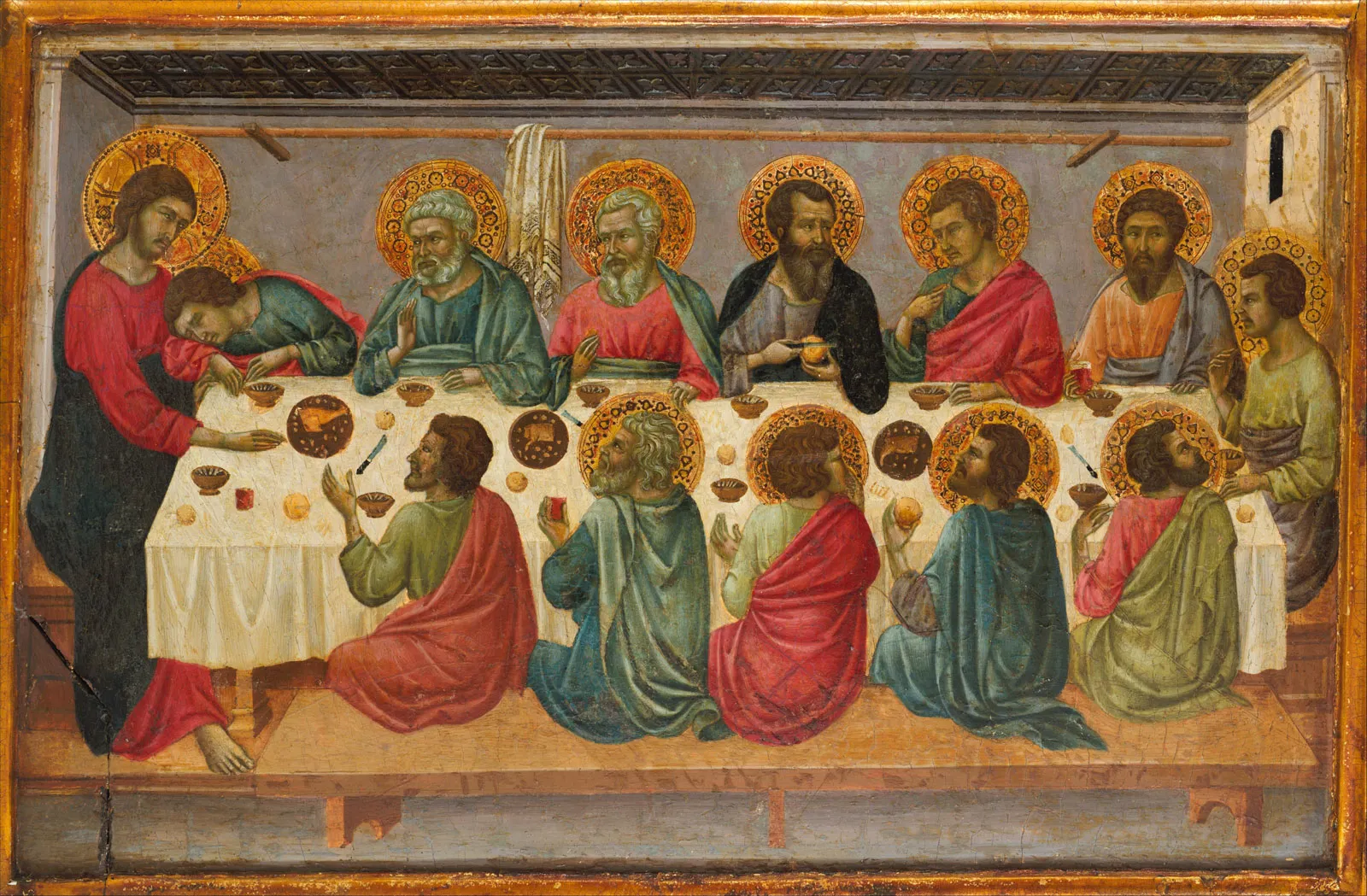
The name Iscariot is forever linked to one of the most infamous acts in history—Judas Iscariot’s betrayal of Jesus Christ. Over the millennia, the figure of Judas has come to symbolize treachery and the darker side of human nature. However, the complexity surrounding his life, motivations, and the aftermath of his actions invites deeper exploration. This article will explore the figure of Iscariot from historical, theological, and literary perspectives, attempting to answer the questions that linger about his life and the legacy of betrayal.
The Historical and Biblical Context of Judas Iscariot
Judas Iscariot, a member of the twelve apostles, is primarily known for his role in the betrayal of Jesus Christ, which led to the crucifixion. In the New Testament Gospels (Matthew, Mark, Luke, and John), Judas is depicted as the one who handed Jesus over to the religious authorities in exchange for thirty pieces of silver. This act of betrayal is one of the pivotal events in Christian theology, as it set the stage for the Passion narrative, which culminates in the death and resurrection of Jesus.
The name “Iscariot” itself is thought to be derived from the Hebrew term ishqeriyot (אִישׁ-כְּרִיוֹת), which can be translated to “man of Kerioth,” referring to a town in Judea. This suggests that Judas may have been the only one of the twelve apostles who was not from Galilee, where the majority of Jesus’ followers originated. His origin may have further influenced the Gospel writers’ portrayal of him as an outsider, adding a layer of suspicion and intrigue to his character.
In the biblical narrative, Judas’s betrayal is both a fulfillment of prophecy and an act of free will. In Matthew 26:24, Jesus declares that “the Son of Man will go just as it is written about him. But woe to that man who betrays the Son of Man! It would be better for him if he had not been born.” This prophecy links Judas’s actions to the divine plan, suggesting that his betrayal was necessary for the fulfillment of Jesus’ mission, which includes his crucifixion and ultimate resurrection.
While the Gospels do not provide a comprehensive backstory for Judas, they do offer insights into his character. In the Gospel of John, Judas is referred to as a thief and someone who was entrusted with the group’s finances. This negative characterization, along with his later decision to betray Jesus, paints Judas as a morally flawed individual.
The Motives Behind Judas’s Betrayal
Over the centuries, scholars, theologians, and artists have sought to explain why Judas Iscariot would have chosen to betray Jesus. The Gospels themselves offer limited explanations, leaving many of his motives open to interpretation. Several theories have emerged over time, some of which align with traditional Christian theology, while others take a more psychological or philosophical approach.
- Greed: One of the most straightforward explanations for Judas’s betrayal is financial gain. The Gospels mention that Judas received thirty pieces of silver in exchange for handing Jesus over to the authorities. In this interpretation, Judas’s betrayal is driven by his desire for money, and his greed is seen as the catalyst for his decision.
- Disillusionment: Another common interpretation is that Judas became disillusioned with Jesus’ mission. Some scholars believe that Judas expected a more political or military Messiah—one who would overthrow Roman rule and restore Israel’s independence. When it became clear that Jesus’ mission was spiritual and not revolutionary in the expected sense, Judas may have become frustrated and betrayed Jesus to force his hand or to distance himself from a leader who did not meet his expectations.
- Divine Plan: In Christian theology, Judas’s betrayal is often viewed as part of a divine plan. From this perspective, Judas’s actions were predestined to fulfill the prophecy of the Messiah’s suffering and death. According to this view, Judas’s free will to betray Jesus was intertwined with God’s greater plan for redemption, and his actions, though sinful, were necessary for salvation to occur. This perspective raises profound questions about free will, predestination, and the nature of good and evil.
- Satanic Influence: The Gospel of John suggests that “Satan entered into” Judas before he went to the chief priests to make his bargain (John 13:27). This has led some to suggest that Judas’s betrayal was not just a personal failure, but the result of a spiritual struggle or demonic influence. This interpretation emphasizes the cosmic battle between good and evil and frames Judas as a pawn in a larger supernatural conflict.
- Psychological Motives: More modern interpretations of Judas’s motives delve into psychology, proposing that Judas may have suffered from feelings of inadequacy, jealousy, or even a form of self-loathing. His role as the group’s treasurer could have made him feel more entitled, leading to resentment when others (especially Peter and John) seemed to be closer to Jesus. This could have made him vulnerable to temptation and eventually driven him to betrayal.
The Legacy of Iscariot: A Symbol of Betrayal
Judas Iscariot’s legacy has endured as a symbol of betrayal. For centuries, his name has been synonymous with treachery, and his actions have become a cautionary tale in both religious and secular contexts. In Christian theology, Judas’s betrayal is often seen as the ultimate act of treason—turning against a friend and teacher for personal gain. His story has been a central subject of theological debate, artistic representation, and literary exploration.
In literature and art, Judas is frequently depicted as a tragic figure—one who falls from grace because of his flaws. In Dante Alighieri’s Divine Comedy, Judas is placed in the lowest level of Hell, frozen in a lake of ice, his soul forever condemned for his betrayal. This portrayal highlights the severity of his actions in the eyes of medieval Christianity.
Yet, not all depictions of Judas are negative. In some modern works, Judas is portrayed as a tragic, misunderstood figure—someone who is both a victim of circumstance and a perpetrator of evil. The 1970s rock musical Jesus Christ Superstar, for example, presents Judas as a conflicted figure who feels betrayed by Jesus’s decisions and is torn between loyalty and disillusionment. In such portrayals, Judas is given a more human dimension, inviting audiences to wrestle with the complexities of his character.
Theological Reflection: Can Judas Be Redeemed?
The question of whether Judas can be redeemed has been a source of theological debate for centuries. In traditional Christian doctrine, Judas’s act of betrayal is seen as unforgivable. In Matthew 27:3-5, Judas, after realizing the enormity of his betrayal, attempts to return the silver and expresses remorse, but is unable to undo his actions. His subsequent suicide is often seen as a final act of despair, marking the complete separation from divine grace.
However, some theologians have argued that Judas’s fate is not as clear-cut. They point out that Jesus’s message was one of forgiveness, even for the most egregious sins. The possibility of redemption for Judas raises profound theological questions about the nature of sin, repentance, and forgiveness. Could Judas have been forgiven if he had sought redemption, or was his role in the divine plan so significant that his actions were beyond reconciliation?
Conclusion: The Enduring Mystery of Judas Iscariot
Judas Iscariot remains one of the most enigmatic figures in history, and his betrayal of Jesus Christ continues to provoke deep theological reflection, literary exploration, and philosophical inquiry. His actions have had a profound impact on the Christian tradition, shaping concepts of sin, redemption, and divine justice. While many view Judas as the embodiment of treachery, others see him as a tragic figure who was a part of God’s greater plan for salvation. In the end, the mystery of Judas Iscariot serves as a reminder of the complexities of human nature, the struggle between good and evil, and the possibility of grace—even for the most unlikely of individuals.
Trending
-

 Entertainment10 months ago
Discovering هنتاوي.com: Your Ultimate Arabic Source for Anime News and Reviews
-

 Foods11 months ago
Jamón: Spain’s Iconic Cured Ham
-

 News11 months ago
Kirby Dedo Guide: All You Need to Know About Character Abilities and Combos
-

 Tech11 months ago
BikeWise: Promoting Safe and Sustainable Cycling for All
-

 Blog11 months ago
Exploring Siozinis: The Hidden Gem of Nature’s Wonders
-

 Local Information11 months ago
SoSoActive: Your Go-To Source for Breaking News in Social and Mobile Music
-

 Tech11 months ago
Trucofax Revolutionizes In-Game Customization
-

 Entertainment11 months ago
Christmas: A Global Celebration of Joy, Tradition, and Giving
Pingback: kz43x9nnjm65 : Exploring the Philosophical Dimensions - Plantillatop