
Tech
Keygeninja Explained: Truth, Risks, and Safer Alternatives

Published
6 months agoon
By
Rock Seo
In today’s digital age, software Keygeninja piracy and the use of illegal tools are becoming more common. One such tool that has generated both curiosity and concern is Keygeninja. It promises to unlock software, generate product keys, and make premium applications accessible to users without paying for them. But while these claims may sound appealing, it’s crucial to understand the risks and ethical implications associated with Keygeninja and similar software. This article will delve into the truth behind Keygeninja, its potential dangers, and safer alternatives for users seeking legitimate solutions.
What is Keygeninja?
Keygeninja is an online service or software that offers users a way to generate valid product keys for paid software, allowing them to bypass the need to purchase a license. Typically, product keys are used to verify the legitimacy of a copy of software, ensuring that it’s being used within the terms and conditions set by the software developer. When someone uses Keygeninja, they’re essentially using a generator that creates product keys that are often unauthorized or counterfeit.
While the tool may seem harmless or useful to some, it’s important to recognize the underlying issues with using such tools. These include both legal and security risks.
The Truth Behind Keygeninja
Keygeninja claims to offer easy access to software that would otherwise be inaccessible to many users. The site provides a straightforward interface, where users can input the name of the software they want to generate a product key for, and in return, they get a key that grants access to premium features without paying for the software. However, this is where the truth becomes murky.
- Illegal Activity:
By using Keygeninja, users are engaging in software piracy, which is illegal in most countries. Piracy violates intellectual property rights and bypasses licensing agreements, which are legally binding contracts between users and software developers. Even if someone doesn’t face legal action immediately, using pirated software is still illegal and unethical. - Potential for Malware:
Keygeninja and similar sites often operate in gray areas, making them a prime target for malware distribution. Many of these sites bundle malicious software with the key generators they offer. Users may think they’re only downloading a harmless product key generator, but in reality, they could be unknowingly downloading a virus, Trojan horse, or ransomware. These malicious programs can steal personal data, damage files, or lock users out of their devices until a ransom is paid. - Lack of Customer Support and Updates:
Another significant drawback of using pirated software activated via Keygeninja is the lack of customer support and updates. Software developers provide regular updates to fix bugs, patch security vulnerabilities, and enhance the overall experience. But pirated software users don’t have access to these important updates. As a result, users could be left with software that is out of date, more vulnerable to security threats, and less functional than the legitimate version. - Unreliable Product Keys:
Even if a user manages to generate a working product key with Keygeninja, there’s no guarantee it will remain functional in the future. Many developers have systems in place to detect and block unauthorized product keys, meaning that the key could become invalid or deactivated at any time. This leaves users in a frustrating situation where they’re unable to use the software they rely on.
Risks Associated with Keygeninja
Using tools like Keygeninja comes with several serious risks:
- Legal Consequences:
Software piracy is illegal, and while the chances of being caught may seem slim, the potential penalties are significant. In some countries, fines for pirated software can reach thousands of dollars, and in extreme cases, individuals may face jail time. Additionally, using pirated software can result in lawsuits from the software developers, especially for larger companies that take piracy seriously. - Malware Infections:
As mentioned earlier, downloading a key generator from an unreliable site exposes users to the risk of malware infections. Malicious software can cause a range of problems, from slow system performance to data theft. Cybercriminals often use pirated software as a gateway to infect computers with ransomware, which encrypts files and demands a ransom for their release. In some cases, malware can be used to hijack sensitive information, like login credentials or banking details, leading to financial loss or identity theft. - Security Vulnerabilities:
Pirated software typically lacks the latest security updates, leaving it vulnerable to attacks. Software developers regularly release patches to fix security flaws that hackers could exploit. Using outdated, pirated software leaves users at risk of being targeted by cybercriminals. - Reputation Damage:
Engaging in software piracy can also harm your reputation. For individuals, it may be a matter of personal ethics, but for businesses, using pirated software can lead to public relations issues and damage to brand credibility. It can also result in audits and fines, which can be costly for businesses and organizations.
Safer Alternatives to Keygeninja
While Keygeninja might appear as a quick and free solution, the risks far outweigh the benefits. There are safer and legal alternatives that provide access to premium software without resorting to piracy.
- Free and Open-Source Software:
One of the best alternatives is to use free and open-source software (FOSS). Many open-source projects provide high-quality tools that are completely free to use. For example, instead of using pirated Photoshop, users can opt for GIMP, a powerful, free alternative for photo editing. Other open-source alternatives include LibreOffice for office productivity, Blender for 3D modeling, and VLC Media Player for media playback. These tools are often community-driven and offer robust functionality without the need for product keys or illegal workarounds. - Educational Discounts:
Many software developers offer student discounts or free licenses for educational purposes. If you’re a student, you may be eligible to get access to premium software like Adobe Creative Cloud, Microsoft Office, or AutoCAD at a significantly reduced price or even for free. Check the software’s website for information about educational offers or reach out to your school for details. - Free Trials and Subscription Models:
Many software companies offer free trials or freemium models that let you try their software before committing to a purchase. Some software may have a limited feature set in the free version, but it can still be a good way to access the tools you need temporarily. If the software is critical to your work or studies, consider subscribing or purchasing a legitimate copy once you’ve had a chance to evaluate it. - Discount Platforms:
If you’re set on buying software, consider using legitimate platforms that offer software discounts. Websites like Humble Bundle, StackSocial, and TechBargains often run sales or bundle offers, where you can get premium software at a fraction of the price. These deals are often legitimate, and buying through these platforms ensures you’re supporting the developers who made the software.
Conclusion
While Keygeninja may seem like an attractive option for bypassing software licensing restrictions, it comes with significant risks that could harm your computer, compromise your privacy, and leave you exposed to legal issues. Piracy is not only illegal but also unethical, as it deprives developers of their deserved revenue. Rather than turning to tools like Keygeninja, explore safer and legal alternatives such as free and open-source software, educational discounts, free trials, or discounted platforms. By doing so, you’ll stay on the right side of the law, keep your system secure, and support the developers who create the tools you love.
You may like
Tech
Neteller: A Complete Guide to Digital Payments, Transfers, and Online Transactions

Published
1 week agoon
June 8, 2026By
Jhon Wick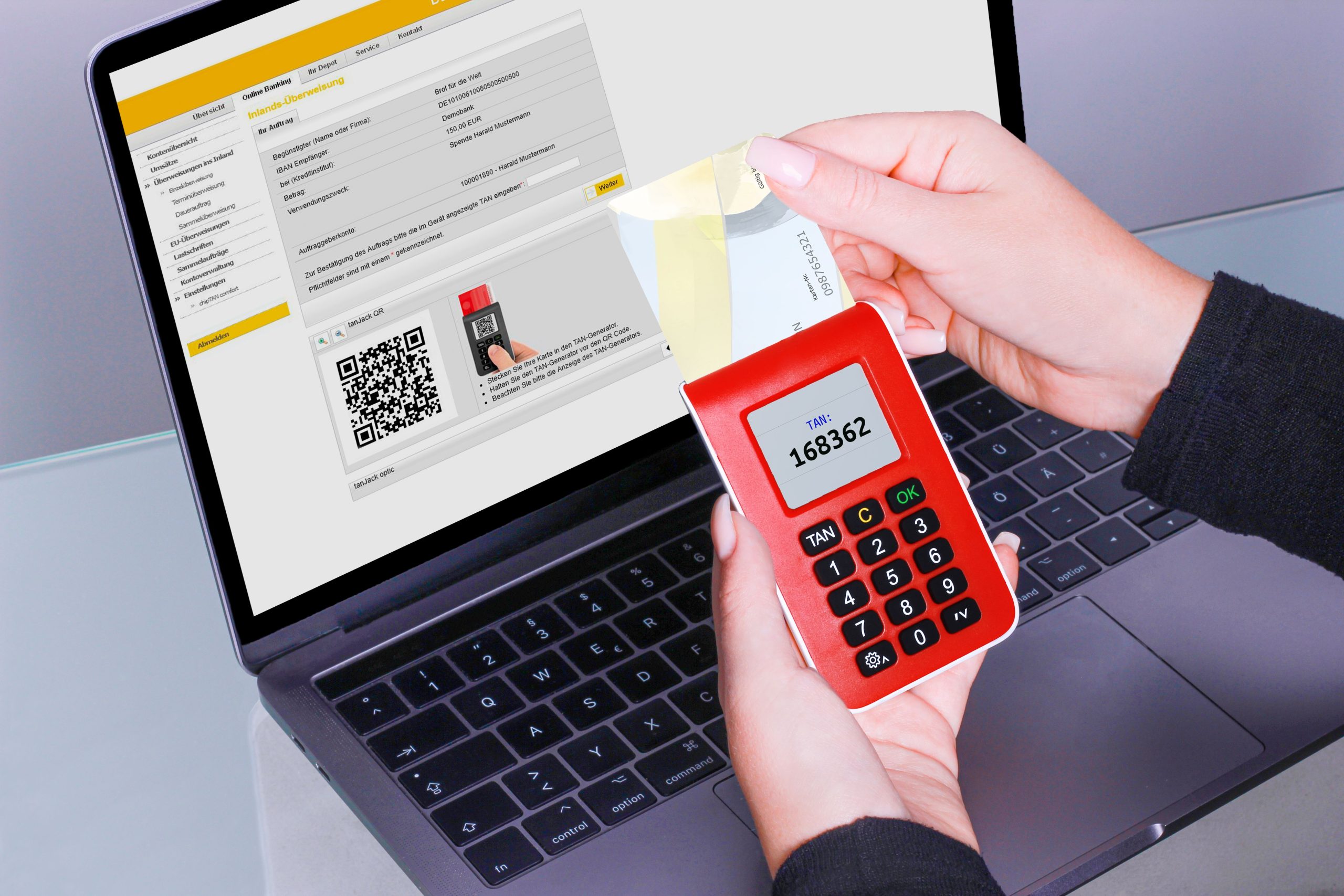
Neteller is one of the world’s most recognized digital payment platforms, offering users a secure and convenient way to send, receive, and manage money online. Founded in 1999, Neteller has become a popular choice for individuals and businesses looking for fast international payments, online shopping solutions, and money transfer services. The platform operates in numerous countries and supports multiple currencies, making it an attractive option for global users.
Over the years, Neteller has expanded its services beyond simple money transfers. Today, users can deposit funds, withdraw money, make online purchases, and transfer funds internationally through a single account. Its focus on security, speed, and accessibility has helped it maintain a strong reputation in the digital payments industry.
What is Neteller?
Neteller is an electronic wallet (e-wallet) that allows users to store money digitally and perform various financial transactions online. Similar to traditional online banking systems, Neteller enables customers to move funds electronically without needing direct access to a bank account for every transaction.
The platform is operated by Paysafe Group, a global payments company known for providing secure financial solutions. Neteller supports individuals, freelancers, online shoppers, and businesses by offering an easy-to-use payment infrastructure.
Key Features of Neteller
Fast Money Transfers
One of Neteller’s primary advantages is its ability to process money transfers quickly. Users can send funds to other Neteller account holders almost instantly, regardless of location.
Multi-Currency Support
Neteller supports numerous currencies, making international transactions more convenient. Users can hold balances in different currencies and perform exchanges within their accounts.
Secure Transactions
Security remains a top priority for Neteller. The platform uses advanced encryption technology, identity verification processes, and two-factor authentication to protect users and their funds.
Online Shopping
Many online merchants accept Neteller as a payment method. Customers can pay directly from their Neteller balance without exposing sensitive banking information.
Mobile Accessibility
The Neteller mobile application allows users to manage accounts, transfer funds, and monitor transactions from anywhere using a smartphone.
Benefits of Using Neteller
There are several reasons why millions of users choose Neteller:
- Fast and convenient payments.
- Global accessibility.
- Strong security measures.
- Support for multiple currencies.
- Easy integration with online merchants.
- User-friendly mobile application.
- Efficient international money transfers.
These benefits make Neteller suitable for personal and business use alike.
How Neteller Works
Using Neteller is relatively straightforward. First, users create an account and complete the required verification process. Once verified, they can deposit funds through supported payment methods such as bank transfers, credit cards, or alternative payment solutions.
After funding the account, users can:
- Send money to other Neteller users.
- Pay online merchants.
- Transfer funds internationally.
- Withdraw money to a bank account.
- Exchange currencies.
Transactions are typically processed quickly, making Neteller a convenient solution for digital payments.
Neteller for Businesses
Businesses often use Neteller to accept customer payments from around the world. By integrating Neteller into their payment systems, companies can offer customers additional payment flexibility while reducing transaction barriers.
Benefits for businesses include:
- Global customer reach.
- Fast payment processing.
- Enhanced security.
- Reduced payment friction.
- Multiple currency acceptance.
Many online businesses use Neteller as part of a broader payment strategy to improve customer satisfaction.
Neteller Fees
Like most financial services, Neteller charges certain fees depending on the transaction type. These may include:
- Deposit fees.
- Withdrawal fees.
- Currency conversion fees.
- International transfer fees.
- Account maintenance fees under specific conditions.
Users should review the latest fee structure before making transactions to understand potential costs.
Neteller Security Measures
Security is one of Neteller’s strongest features. The platform employs:
- SSL encryption.
- Two-factor authentication.
- Account monitoring systems.
- Identity verification procedures.
- Fraud prevention technologies.
These measures help protect user accounts from unauthorized access and fraudulent activity.
Neteller vs Traditional Banking
While traditional banks remain essential for many financial activities, Neteller offers several advantages for online transactions:
| Feature | Neteller | Traditional Bank |
|---|---|---|
| Transfer Speed | Fast | Often slower |
| International Payments | Convenient | May involve delays |
| Online Shopping | Easy | Depends on card availability |
| Currency Exchange | Integrated | Separate service |
| Accessibility | Digital-first | Branch dependent |
The choice between Neteller and traditional banking depends on individual financial needs.
Calculation Example
Understanding fees is important when using Neteller.
Suppose a user sends $500 internationally and the transfer fee is 2%.
Calculation:
Transfer Fee = Amount × Fee Percentage
Transfer Fee = $500 × 2%
Transfer Fee = $500 × 0.02
Transfer Fee = $10
Net Amount Received:
Net Amount = $500 − $10
Net Amount = $490
Therefore, if the fee is 2%, the recipient receives $490 while $10 is deducted as the transaction fee.
Future of Neteller
As digital payments continue to grow globally, Neteller is expected to remain an important player in the online financial ecosystem. The increasing demand for cashless transactions, international commerce, and digital wallets supports the continued expansion of services like Neteller.
Innovation in mobile payments, security technologies, and global financial connectivity may further strengthen Neteller’s position in the market.
Conclusion
Neteller has established itself as a reliable digital wallet and online payment platform. Its fast transfers, global accessibility, multi-currency support, and strong security measures make it a valuable financial tool for individuals and businesses alike. Whether you need to send money internationally, shop online, or manage digital funds efficiently, Neteller offers a practical and secure solution. As the digital economy continues to expand, Neteller remains a trusted option for modern online financial transactions.
Frequently Asked Questions (FAQs)
1. What is Neteller used for?
Neteller is used for online payments, money transfers, digital wallet services, and international transactions.
2. Is Neteller safe?
Yes, Neteller uses advanced encryption, identity verification, and security measures to protect users.
3. Can I transfer money internationally with Neteller?
Yes, Neteller supports international money transfers in multiple currencies.
4. Does Neteller charge fees?
Yes, certain transactions may include deposit, withdrawal, transfer, or currency conversion fees.
5. How do I open a Neteller account?
You can create an account online, verify your identity, and fund your wallet using supported payment methods.
6. Can businesses use Neteller?
Yes, many businesses use Neteller to accept payments from customers worldwide.
7. Does Neteller have a mobile app?
Yes, Neteller offers a mobile application for managing accounts and transactions.
8. What currencies does Neteller support?
Neteller supports numerous major international currencies.
9. How long do Neteller transfers take?
Many Neteller-to-Neteller transfers are processed almost instantly.
10. Is Neteller available worldwide?
Neteller operates in many countries, although availability may vary depending on local regulations.
Tech
AppLovin: A Complete Guide to the Mobile Advertising and App Monetization Platform
Published
1 week agoon
June 8, 2026By
Jhon Wick
AppLovin is one of the leading mobile technology companies in the world, helping app developers grow, monetize, and market their applications. Founded in 2012, AppLovin has become a major player in the mobile advertising industry by offering powerful tools for user acquisition, app monetization, analytics, and advertising optimization.
The company serves thousands of mobile app developers and businesses globally. Through its advanced software solutions and advertising network, AppLovin enables developers to reach millions of users while maximizing revenue from their applications.
What Is AppLovin?
AppLovin is a technology platform designed to help mobile app developers improve app performance and profitability. It provides advertising solutions, marketing tools, and monetization services that allow developers to attract new users and generate revenue from existing audiences.
The platform uses machine learning and artificial intelligence to optimize advertising campaigns and increase return on investment (ROI). AppLovin works across various industries, including gaming, e-commerce, entertainment, education, and lifestyle applications.
History of AppLovin
AppLovin was established in 2012 and quickly expanded within the mobile advertising market. Over the years, the company acquired several businesses and technologies to strengthen its position in app monetization and marketing.
One of the company’s most significant milestones was its public listing on the stock market. Since then, AppLovin has continued to invest in advertising technology, data analytics, and AI-powered solutions to help developers achieve better results.
Key Features of AppLovin
1. App Monetization
AppLovin allows developers to earn money through advertisements displayed inside their apps. These ads can appear in different formats such as:
- Banner ads
- Interstitial ads
- Rewarded video ads
- Native ads
- Playable ads
The platform optimizes ad placements to maximize revenue while maintaining a positive user experience.
2. User Acquisition
AppLovin helps developers attract new users through targeted advertising campaigns. Advanced algorithms identify users who are most likely to download and engage with specific applications.
3. MAX Mediation Platform
MAX is AppLovin’s mediation platform that helps developers manage multiple advertising networks from a single dashboard. It automatically selects the highest-paying ad source, increasing overall earnings.
4. Analytics and Reporting
Developers gain access to detailed reports that provide insights into:
- Revenue performance
- User engagement
- Ad impressions
- Click-through rates
- Retention metrics
These insights help businesses make informed decisions.
5. AI-Powered Optimization
Artificial intelligence plays a major role in AppLovin’s technology stack. The platform continuously analyzes data and adjusts advertising strategies to improve performance and maximize revenue.
Benefits of Using AppLovin
Increased Revenue
AppLovin’s advanced monetization tools help developers generate higher earnings from their applications.
Easy Integration
The platform offers software development kits (SDKs) that can be integrated into apps with minimal effort.
Global Reach
Developers can access a worldwide advertising network, enabling them to reach users across different countries and markets.
Advanced Targeting
AppLovin’s targeting capabilities ensure advertisements are shown to relevant audiences, improving conversion rates.
Scalable Solutions
Whether a developer has one app or hundreds, AppLovin provides scalable solutions that support business growth.
How AppLovin Works
The process begins when a developer integrates the AppLovin SDK into an application. Once integrated, the platform can display ads to users and collect performance data.
When a user opens the app, AppLovin’s system analyzes available advertisements from various networks. It then selects the advertisement expected to generate the highest revenue while maintaining a positive user experience.
Advertisers benefit because their campaigns reach targeted users, while developers earn revenue from ad impressions, clicks, and conversions.
AppLovin for Mobile Game Developers
Gaming represents one of the largest segments of AppLovin’s customer base. Mobile game developers use the platform to:
- Acquire new players
- Monetize gameplay
- Increase retention rates
- Analyze user behavior
- Optimize advertising campaigns
Rewarded video ads are especially popular in games because they allow players to receive rewards in exchange for watching advertisements.
AppLovin and Artificial Intelligence
Artificial intelligence has become increasingly important in digital advertising. AppLovin leverages AI to analyze billions of data points and improve campaign performance.
The AI system can predict user behavior, optimize bidding strategies, and identify the most effective advertising opportunities. This helps advertisers spend budgets more efficiently while increasing returns.
Calculation Example for App Revenue
Suppose a mobile application receives:
- 100,000 monthly users
- Average of 5 ad impressions per user per day
- eCPM (effective cost per thousand impressions) of $8
Step 1:
Daily impressions = 100,000 × 5
Daily impressions = 500,000
Step 2:
Monthly impressions = 500,000 × 30
Monthly impressions = 15,000,000
Step 3:
Revenue Formula:
Revenue = (Impressions ÷ 1,000) × eCPM
Revenue = (15,000,000 ÷ 1,000) × 8
Revenue = 15,000 × 8
Revenue = $120,000
In this example, the application could generate approximately $120,000 per month from advertising revenue.
Challenges of Mobile Advertising
While mobile advertising offers significant opportunities, developers may face several challenges:
- Ad fatigue among users
- Privacy regulations
- Competition for user attention
- Fluctuating advertising rates
- Platform policy changes
AppLovin addresses many of these challenges through automation, analytics, and optimization technologies.
Future of AppLovin
The future of AppLovin looks promising as mobile app usage continues to grow worldwide. Advances in artificial intelligence, machine learning, and advertising technology are expected to create new opportunities for developers and advertisers.
As businesses increasingly focus on mobile-first strategies, platforms like AppLovin will likely play a central role in helping companies acquire users and generate revenue efficiently.
Conclusion
AppLovin has established itself as a leading mobile advertising and app monetization platform. Its comprehensive suite of tools helps developers attract users, optimize campaigns, and maximize revenue. Through AI-powered technology, advanced analytics, and global advertising reach, AppLovin continues to support the growth of the mobile app ecosystem. Whether you are a game developer, entrepreneur, or app publisher, AppLovin offers valuable solutions for scaling and monetizing mobile applications.
FAQs
1. What is AppLovin?
AppLovin is a mobile advertising and app monetization platform that helps developers grow, market, and monetize their applications.
2. When was AppLovin founded?
AppLovin was founded in 2012.
3. What is AppLovin MAX?
MAX is AppLovin’s mediation platform that helps developers maximize ad revenue by managing multiple ad networks.
4. How do developers earn money with AppLovin?
Developers earn revenue through ad impressions, clicks, and user actions generated from advertisements displayed in their apps.
5. Is AppLovin suitable for game developers?
Yes, AppLovin is widely used by mobile game developers for user acquisition and monetization.
6. Does AppLovin use artificial intelligence?
Yes, AppLovin uses AI and machine learning to optimize advertising performance and improve targeting.
7. What ad formats does AppLovin support?
The platform supports banner ads, rewarded videos, interstitial ads, native ads, and playable ads.
8. Can small developers use AppLovin?
Yes, AppLovin offers solutions suitable for both small independent developers and large enterprises.
9. What is eCPM?
eCPM stands for effective cost per thousand impressions and measures advertising revenue performance.
10. Why is AppLovin popular?
AppLovin is popular because it combines app monetization, advertising, analytics, and AI-powered optimization in one platform.
Tech
TechRadar: A Complete Guide to One of the World’s Leading Technology Review Platforms
Published
2 weeks agoon
June 4, 2026By
Jhon Wick
Introduction
TechRadar is one of the most recognized technology websites in the world. It provides readers with the latest news, reviews, buying guides, and expert opinions on a wide range of technology products and services. From smartphones and laptops to gaming consoles, software, and emerging technologies, TechRadar helps consumers make informed purchasing decisions.
Founded in 2008, TechRadar has grown into a trusted source of technology information for millions of users worldwide. Whether someone is looking for the best smartphone, comparing laptops, or staying updated with developments in artificial intelligence, TechRadar offers detailed coverage and expert insights.
What Is TechRadar?
TechRadar is an online technology publication that focuses on technology news, product reviews, comparisons, buying guides, and industry analysis. The platform aims to simplify technology for everyday consumers by providing clear, accurate, and practical information.
The website covers various categories, including:
- Smartphones
- Laptops
- Tablets
- Gaming
- TVs and Home Entertainment
- Smart Home Devices
- Cameras
- Software
- Artificial Intelligence
- Cybersecurity
- Wearable Technology
Its content is created by experienced technology journalists, reviewers, and industry experts.
History of TechRadar
TechRadar was launched by Future Publishing, a global media company known for producing technology-focused publications. Since its launch, the website has expanded its reach to multiple countries and audiences.
Over the years, TechRadar has established itself as a reliable source for technology information. Its success is largely due to its commitment to thorough testing, independent reviews, and up-to-date reporting.
The platform continuously evolves to cover emerging technologies such as AI, virtual reality, cloud computing, and electric vehicles.
Key Features of TechRadar
1. Product Reviews
TechRadar is widely known for its comprehensive product reviews. Reviewers test products extensively before assigning ratings and recommendations.
Review categories include:
- Smartphones
- Laptops
- Headphones
- Smartwatches
- Cameras
- Gaming Hardware
Each review typically discusses:
- Design
- Performance
- Battery life
- Features
- Pricing
- Pros and Cons
2. Buying Guides
TechRadar publishes buying guides to help users find products that fit their needs and budgets.
Examples include:
- Best Smartphones
- Best Gaming Laptops
- Best Smart TVs
- Best Wireless Earbuds
- Best VPN Services
These guides are regularly updated to reflect new releases and market changes.
3. Technology News
The platform covers breaking technology news from around the world.
Topics often include:
- Product launches
- Software updates
- AI developments
- Cybersecurity incidents
- Industry mergers and acquisitions
- Technology trends
4. Comparisons
TechRadar frequently compares competing products to help readers understand differences before making a purchase.
Examples include:
- iPhone vs Android
- PlayStation vs Xbox
- MacBook vs Windows Laptop
5. Expert Analysis
The website also provides opinion pieces and market analysis from technology experts. These articles help readers understand broader industry trends.
Why People Trust TechRadar
Several factors contribute to TechRadar’s credibility:
Independent Testing
Products are tested in real-world scenarios rather than relying solely on manufacturer specifications.
Experienced Reviewers
TechRadar employs knowledgeable technology writers and reviewers with years of industry experience.
Detailed Reviews
Reviews often include extensive testing, benchmark results, and practical usage experiences.
Regular Updates
Buying guides and recommendations are updated frequently to maintain accuracy.
Transparent Ratings
Readers can quickly understand how products perform through clear scoring systems.
Popular Categories on TechRadar
Smartphones
Smartphone reviews are among TechRadar’s most popular content. The site covers major brands such as Apple, Samsung, Google, Xiaomi, and OnePlus.
Gaming
Gaming coverage includes:
- Gaming PCs
- Consoles
- Accessories
- Game reviews
- Gaming monitors
Artificial Intelligence
As AI continues to transform industries, TechRadar regularly reports on developments involving machine learning, generative AI, and automation tools.
Cybersecurity
The platform offers guides and recommendations related to:
- VPN services
- Antivirus software
- Password managers
- Online privacy
Streaming Services
TechRadar reviews and compares streaming platforms, helping users choose the best entertainment services.
Benefits of Using TechRadar
There are many advantages to reading TechRadar:
- Reliable information
- Detailed reviews
- Helpful buying advice
- Up-to-date technology news
- Expert recommendations
- Easy-to-understand content
- Coverage across multiple technology sectors
Whether someone is a beginner or a technology enthusiast, the platform offers valuable information.
Simple Technology Purchase Calculation
Suppose a user is choosing between two laptops reviewed on TechRadar.
Laptop A Price = $900
Laptop B Price = $1,200
Price Difference Calculation:
$1,200 − $900 = $300
Percentage Difference:
($300 ÷ $900) × 100 = 33.33%
This means Laptop B costs approximately 33.33% more than Laptop A.
Such calculations help consumers evaluate whether additional features justify higher costs.
TechRadar’s Influence on Consumer Decisions
Many consumers consult TechRadar before purchasing technology products. The site’s reviews and buying guides influence buying decisions because they simplify complex technical information.
Manufacturers often monitor reviews from major publications like TechRadar because positive reviews can significantly impact product visibility and sales.
The platform’s recommendations frequently appear in search results, making it an important resource for shoppers worldwide.
Challenges Facing Technology Review Websites
Technology websites face several challenges:
Rapid Product Releases
New devices launch frequently, requiring constant updates.
Increasing Competition
Many websites and content creators compete for audience attention.
Evolving Technologies
Areas such as AI, quantum computing, and virtual reality require specialized expertise.
Maintaining Trust
Review platforms must remain transparent and unbiased to preserve credibility.
Despite these challenges, TechRadar continues to maintain a strong reputation within the technology industry.
The Future of TechRadar
The future looks promising for TechRadar as technology adoption continues to grow globally.
Expected areas of growth include:
- Artificial Intelligence coverage
- Smart home technologies
- Electric vehicles
- Cloud computing
- Wearable devices
- Cybersecurity solutions
As consumers seek reliable technology information, TechRadar is likely to remain a leading source for reviews, news, and expert analysis.
Conclusion
TechRadar has established itself as one of the most respected technology publications in the world. Through detailed reviews, expert buying guides, industry news, and practical advice, it helps consumers navigate an increasingly complex technology landscape.
Whether someone is searching for a new smartphone, comparing laptops, exploring AI tools, or staying informed about industry trends, TechRadar provides valuable resources backed by professional expertise. Its commitment to independent testing and quality journalism continues to make it a trusted destination for technology enthusiasts and everyday consumers alike.
FAQs
1. What is TechRadar?
TechRadar is a technology website that provides reviews, news, buying guides, and expert analysis on consumer technology products and services.
2. Who owns TechRadar?
TechRadar is owned by Future Publishing, a global media company specializing in technology and consumer publications.
3. Is TechRadar reliable?
Yes, TechRadar is widely regarded as a reliable source because of its detailed testing processes and experienced reviewers.
4. Does TechRadar review smartphones?
Yes, smartphone reviews are one of TechRadar’s most popular content categories.
5. Does TechRadar cover gaming products?
Yes, the platform reviews gaming consoles, PCs, accessories, and video games.
6. Are TechRadar reviews free to read?
Most TechRadar content is available online for free.
7. Does TechRadar recommend products?
Yes, it publishes buying guides and product recommendations based on testing and evaluation.
8. Does TechRadar cover AI news?
Yes, artificial intelligence is one of the major topics covered by the website.
9. How often is TechRadar updated?
The website publishes new articles daily, including news updates, reviews, and buying guides.
10. Why do consumers use TechRadar?
Consumers use TechRadar to research products, compare options, and make informed technology purchasing decisions.
Trending
-

 Entertainment7 months ago
Discovering هنتاوي.com: Your Ultimate Arabic Source for Anime News and Reviews
-

 News8 months ago
Kirby Dedo Guide: All You Need to Know About Character Abilities and Combos
-

 Blog8 months ago
Exploring Siozinis: The Hidden Gem of Nature’s Wonders
-

 Local Information8 months ago
SoSoActive: Your Go-To Source for Breaking News in Social and Mobile Music
-

 Foods8 months ago
Jamón: Spain’s Iconic Cured Ham
-

 Tech8 months ago
BikeWise: Promoting Safe and Sustainable Cycling for All
-

 Tech8 months ago
Trucofax Revolutionizes In-Game Customization
-

 Local Information8 months ago
Sodiceram Explained: Innovative Designs and Eco-Friendly Practices